How to Stay Safe in Qatar
1. Introduction
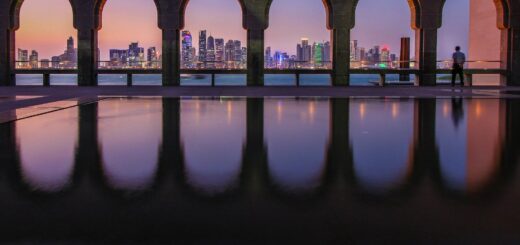
Qatar is a small, wealthy emirate on a peninsula in the Persian Gulf, neighbouring Saudi Arabia and Bahrain. It came to global prominence as the host of the 2022 FIFA World Cup — the first in the Middle East — investing massively in infrastructure, stadiums, and tourism facilities. Qatar offers world-class museums (the National Museum of Qatar, the Museum of Islamic Art — one of the world’s finest), the traditional Souq Waqif, desert safaris in the Inland Sea (Khor Al Adaid), the Pearl-Qatar artificial island development, and a growing food and cultural scene in Doha.
Qatar borders Saudi Arabia (its only land border). It has coastline on the Persian Gulf. The capital is Doha. The currency is the Qatari Riyal (QAR — pegged to USD: 1 USD = 3.64 QAR). The population is approximately 2.9 million, of which about 88% are foreign nationals (migrant workers and expatriates). The official language is Arabic; English is very widely spoken.
| TIP — Overall Safety: Qatar is one of the world’s safest countries. Crime rates are extremely low. The main considerations are cultural and legal requirements rather than security threats. Doha is a very safe city for tourists of all backgrounds. |
2. Security Landscape
Qatar is politically stable under Emir Tamim bin Hamad Al Thani. While Qatar has had complex relationships with its Gulf neighbours (the 2017-2021 blockade by Saudi Arabia, UAE, Bahrain, and Egypt has ended), its domestic security situation is very stable. The country hosts the US Central Command’s forward headquarters (Al Udeid Air Base) and several international military presences. There is no significant terrorism threat within Qatar.
3. Safe Areas
| TIP — All Areas Safe: Doha city centre, Souq Waqif, the Pearl-Qatar, West Bay, Katara Cultural Village, Msheireb (Museum District), Museum of Islamic Art Park, Al Zubarah (UNESCO World Heritage Fort), Khor Al Adaid (Inland Sea — desert safari destination) — all are safe for tourists. |
4. Transportation
Hamad International Airport (DOH) is a world-class hub — frequently rated the world’s best airport. Qatar Airways (rated among the world’s best airlines) operates most routes. The Doha Metro is modern, clean, and efficient (Red, Gold, and Green lines cover major tourist and business areas). Uber and Karwa (Qatar’s official taxi service) operate in Doha. Car rental is available.
| TIP — Doha Metro: The Doha Metro is excellent — air-conditioned, cheap (QAR 2-4), clean, and safe. It connects the airport to central Doha. Women and families have a dedicated Gold Car (first carriage). Use a Doha Metro card (Hayya card) for easy travel. |
5. Health & Medical
Qatar has excellent medical facilities. Hamad Medical Corporation runs a network of world-class hospitals (Hamad General Hospital, Women’s Hospital, Heart Hospital). Private hospitals (Sidra Medicine, Al Ahli Hospital) are also of very high standard. Travel health insurance is recommended. The main health risks are extreme heat (June-September, regularly 45°C+), with heat stroke being a genuine danger. Stay hydrated and limit outdoor activity during peak heat.
6. Cultural & Legal Requirements
| WARNING — Dress Code: Qatar has public dress code requirements. In public spaces (streets, malls, souqs, markets), both men and women must dress modestly — knees and shoulders covered. Bikinis and swimming trunks are only permitted at hotel beaches and pools. Immodest dress in public can lead to fines. |
| WARNING — Alcohol: Alcohol is available only at licensed hotel bars and restaurants and the Qatar Distribution Company (QDC, the single liquor store for residents). Drinking in public or being drunk in public is illegal. During major Islamic events (Ramadan, Eid), alcohol service may be restricted. The 2022 FIFA World Cup saw relaxed rules — check current status. |
| WARNING — LGBTQ+ Laws: Same-sex relationships are illegal in Qatar and can carry prison sentences. Public displays of affection between any unmarried couple are also illegal. LGBTQ+ travellers should exercise complete discretion. |
Drug laws carry severe penalties. Public criticism of the Emir, the royal family, or the Qatari government can result in deportation or imprisonment. Photography of government buildings, military facilities, and individuals without permission is restricted.
7. Common Scams & Threats
| Scam Name | How It Works | How to Avoid It |
| Taxi Overcharging | Some unofficial taxis at tourist sites charge inflated rates. | Use Uber or Karwa app. Karwa taxis are metered and reliable. |
| Souvenir Overpricing | Vendors in Souq Waqif inflate prices for tourist items. | Bargain respectfully. Research fair prices for carpets, spices, and souvenirs. |
| Rental Car Hidden Charges | Rental companies add undisclosed fees at collection. | Read the rental agreement carefully. Photograph the vehicle before driving. |
| Online Ticket Fraud | Fake event and concert tickets sold online for Qatar events. | Purchase tickets only from official event websites or ticketing platforms. |
| Investment Fraud | Business contacts propose investment schemes targeting wealthy tourists. | Seek legal advice before any commercial transaction in Qatar. |
| Photography Confrontation | Police challenge tourists photographing sensitive sites. | Photograph only clearly tourist areas. Ask permission for people and any official-looking buildings. |
8. Emergency Contacts
| Service | Number / Details |
| Police / Ambulance / Fire | 999 |
| Tourist Helpline | 800 7000 |
| Hamad General Hospital Doha | +974 4439 4444 |
| Al Ahli Hospital Doha | +974 4489 8888 |
| UK Embassy Doha | +974 4496 2000 |
| US Embassy Doha | +974 4496 6000 |
| Indian Embassy Doha | +974 4425 5777 |
| Qatar Tourism | +974 4492 7000 |
9. Safety Checklist
- Dress modestly in all public spaces — knees and shoulders covered
- Drink alcohol only in licensed hotel venues
- LGBTQ+ travellers: exercise complete discretion
- Use the Doha Metro or Uber/Karwa for transport
- Carry at least 2-3 litres of water during outdoor summer activities
- Limit outdoor activity during peak heat hours (11:00-16:00) June-September
- Do not photograph government buildings, military, or people without permission
- Purchase travel health insurance
- Check current alcohol service rules if visiting during Ramadan
- Register with your embassy