How to Stay Safe in Russia
1. Introduction & Advisory
| WARNING — DO NOT TRAVEL: Russia is rated DO NOT TRAVEL by most Western governments (US, UK, Canada, Australia, EU member states) following Russia’s full-scale invasion of Ukraine in February 2022. Reasons include: the risk of arbitrary detention of Western nationals; the risk of being caught in drone/missile attacks particularly in border regions; the legal risk of unknowingly violating Western sanctions; the closure of most Western embassies or operation at minimal capacity; and the unpredictable legal environment under wartime emergency rules. |
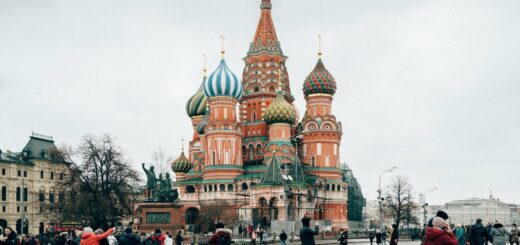
Despite the advisory, Russia remains a country of extraordinary cultural, historical, and natural wealth: the imperial grandeur of St. Petersburg (the Hermitage, Peterhof, Pushkin/Tsarskoye Selo), the Moscow Kremlin and Red Square, the Trans-Siberian Railway, Lake Baikal (world’s deepest and oldest lake), Kamchatka’s volcanoes, and the vast Siberian wilderness. This guide provides safety intelligence for those who must travel — businesspeople, journalists, academics, and those with family ties.
2. Security Landscape
2.1 Arbitrary Detention
| WARNING — Arbitrary Detention of Westerners: Russia has detained multiple Western nationals since 2022, including journalists (Evan Gershkovich, Wall Street Journal), businesspeople, and dual nationals. Charges include espionage, drug trafficking (sometimes used as a pretext), and ‘discrediting the armed forces.’ Detainees have been held for months or years and used as bargaining chips in prisoner exchange negotiations. The risk is significantly elevated for journalists, academics, NGO workers, and citizens of countries that have imposed sanctions on Russia. |
2.2 Drone & Missile Attacks
| WARNING — Border Region Attacks: Belgorod, Kursk, and Bryansk oblasts (bordering Ukraine) have experienced cross-border shelling, drone attacks, and in some cases incursions by Ukrainian forces. Do not travel to these border regions. Moscow and St. Petersburg have also experienced drone attacks. Drone alert sirens are now a feature of life in Moscow and may trigger shelter-in-place orders. |
2.3 Legal Environment
Russia has enacted laws criminalising ‘discrediting the armed forces’ and spreading ‘false information’ about the military — including simply calling the Ukraine conflict a ‘war’ rather than a ‘special military operation’ in public. Foreign nationals are subject to these laws. Do not post on social media about the Ukraine conflict while in Russia. Do not discuss political topics with strangers.
3. Practical Considerations for Essential Travel
Western credit and debit cards (Visa, Mastercard) no longer function in Russia due to sanctions. Carry sufficient cash in Roubles (exchange at official Russian banks on arrival). Some banks in non-sanctioning countries (UAE, Turkey, China) have maintained some Russia operations. Western smartphone apps (Apple Pay, Google Pay, most Western apps) are non-functional. Use Russian equivalents (MIR card system, SberPay, Tinkoff). VPN use is widespread but technically illegal.
| WARNING — Communications: Assume all digital communications (phone calls, emails, WhatsApp, Telegram) are monitored by Russian intelligence services (FSB). Use encrypted apps (Signal) with disappearing messages. Do not store sensitive information on devices taken into Russia. |
4. Common Scams & Threats
| Scam Name | How It Works | How to Avoid It |
| Taxi Overcharging | Street taxis at Moscow and St. Petersburg airports charge tourists 3-5x standard rates. | Use Yandex Go (Russian equivalent of Uber). Pre-book airport transfers through your hotel. |
| Currency Exchange Fraud | Unofficial exchange offices give poor rates or use rigged machines. | Exchange at Sberbank, VTB Bank, or other major official banks only. |
| Nightclub Entry Scam | Expensive clubs in Moscow charge hidden fees and minimums beyond advertised entry price. | Research all costs before entering. Confirm total charges in writing. |
| Police Extortion | Police may demand bribes, particularly from visible minorities or foreigners. | Ask for an official receipt (kvitantsiya) for any fine. Request to go to the nearest police station. Contact your embassy. |
| Souvenir Fraud | Matryoshka dolls and military memorabilia sold as authentic antiques may be mass-produced. | Purchase from established shops. Genuine Soviet-era military items can be expensive. |
| Fake FSB Agents | Criminals impersonate FSB (intelligence service) officers to extract money from foreigners. | Ask for official identification. Do not pay money to anyone claiming to be intelligence. Contact your embassy immediately. |
5. Emergency Contacts
| Service | Number / Details |
| Police Emergency | 102 |
| Ambulance | 103 |
| Fire Service | 101 |
| Emergency (all) | 112 |
| US Embassy Moscow (limited services) | +7 495 728 5000 |
| UK Embassy Moscow (limited services) | +7 495 956 7200 |
| Swiss Embassy Moscow (handles some Western nationals) | +7 495 258 3830 |
| French Embassy Moscow | +7 495 937 1500 |
| German Embassy Moscow | +7 495 937 9500 |
6. Safety Checklist
- Check your government’s current DO NOT TRAVEL advisory before any consideration of travel
- If travel is essential, inform your embassy and maintain regular check-ins
- Carry Rouble cash — Western cards do not function
- Do not discuss the Ukraine conflict publicly or on social media while in Russia
- Do not post photographs of military infrastructure or personnel
- Use Signal with disappearing messages for sensitive communications
- Do not carry sensitive documents, notes, or data on devices in Russia
- Avoid border regions with Ukraine (Belgorod, Kursk, Bryansk oblasts)’,
- Have an emergency evacuation plan and know your embassy’s emergency number
- Register with your embassy immediately upon arrival