How to Stay Safe in South Korea
1. Introduction
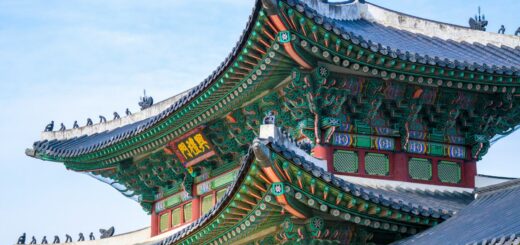
South Korea is one of Asia’s most dynamic and visitor-friendly destinations — a country that seamlessly blends ultra-modern innovation with deep historical tradition. The Korean Wave (Hallyu) of K-pop, K-dramas, and Korean cuisine has brought the country global cultural prominence, while the UNESCO heritage of Gyeongju (the ‘museum without walls’), the palaces of Seoul (Gyeongbokgung, Changdeokgung), the volcanic landscapes of Jeju Island, the traditional village of Andong Hahoe, and the hiking culture of the Korean mountains (Seoraksan, Jirisan, Hallasan) offer extraordinary depth for visitors.
South Korea borders North Korea (north — Demilitarised Zone) and has coastline on the Yellow Sea, South Sea, and East Sea. The capital is Seoul. The currency is the Korean Won (KRW). The population is approximately 51 million. The official language is Korean; English is widely taught and spoken in tourist areas, transport hubs, and major cities.
| TIP — Overall Safety: South Korea is one of Asia’s safest countries for tourists. Violent crime rates are very low. Lost property is frequently returned. The main concerns are the North Korea threat (ever-present but rarely directly affecting tourists), road safety, and isolated incidents in nightlife areas. |
2. Security Landscape
2.1 North Korea Threat
The Korean Peninsula remains technically in a state of war (the Korean War ended in a 1953 armistice, not a peace treaty). North Korea conducts periodic missile tests and provocations. While the threat of escalation to actual conflict affecting South Korean territory exists, it has not materialised in a way that directly threatens tourists. Seoul continues to function normally despite periodic North Korean provocations. The South Korean population treats the North Korean threat as background noise of daily life.
In the event of a North Korean attack, South Korea has an extremely well-developed civil defence system. All buildings in South Korea have designated nuclear/blast shelters. Emergency alert systems (loud outdoor sirens, phone notifications in Korean) will be activated. If an alert sounds, proceed to the nearest subway station or underground shelter immediately.
2.2 Crime
South Korea has very low violent crime rates. Seoul is extremely safe to walk at night in most areas. Petty theft is relatively rare but does occur at popular tourist sites (Myeongdong, Hongdae, Insadong) and on crowded public transport. Itaewon (the international nightlife district) and Hongdae see the most tourist-related incidents, primarily drink spiking and minor theft in bars and clubs.
3. Safe Areas
| TIP — All Major Tourist Areas Safe: Seoul (Gyeongbokgung, Insadong, Myeongdong, Bukchon Hanok Village, Hongdae, Gangnam, N Seoul Tower), Busan (Haeundae Beach, Gamcheon Culture Village, Jagalchi Fish Market), Gyeongju (Bulguksa Temple, Seokguram Grotto), Jeju Island, Jeonju (hanok village), Andong Hahoe Folk Village — all extremely safe. |
| WARNING — DMZ Tours: The Demilitarised Zone (DMZ) between North and South Korea is a popular tourist excursion from Seoul (1-2 hour drive). Tours are well-organised through licensed operators and are considered safe. However, do not approach the DMZ independently. During heightened North-South tensions, DMZ tours may be cancelled — check current advisories. |
4. Transportation
Incheon International Airport (ICN) is one of the world’s best airports, with seamless connections to Seoul via the AREX express train (43 minutes to Seoul Station). Seoul has one of the world’s most comprehensive metro systems (9 metro lines plus suburban rail — nearly 350 stations). The T-money card provides seamless travel on all Seoul public transport. KTX (Korea Train Express) high-speed trains connect Seoul to Busan in 2.5 hours, Gyeongju in 2 hours, and Mokpo in 2.5 hours. KakaoTaxi app (Korean equivalent of Uber) is the recommended taxi platform.
| TIP — Transport Apps: Download KakaoTaxi for safe, transparent taxi pricing. Download Naver Map or Kakao Map (more accurate in Korea than Google Maps for public transport routes). Get a T-money card on arrival at Incheon Airport. |
5. Health & Medical
South Korea has world-class medical facilities. Asan Medical Centre, Samsung Medical Centre, and Severance Hospital in Seoul are internationally accredited. Medical tourism is a significant industry. No special vaccinations are required beyond routine ones. The main health concerns are: fine dust/air pollution from China (check the AirKorea app — avoid outdoor exercise on ‘very bad’ days); extreme seasonal temperatures (Seoul winters below -10°C, summers above 35°C with high humidity); jellyfish at East Sea beaches in summer (Nomura’s jellyfish — large, mildly venomous, avoid contact).
6. Common Scams & Threats
| Scam Name | How It Works | How to Avoid It |
| Taxi Overcharging (Rare) | Some taxis near popular tourist areas take longer routes or quote non-metered prices. | Use KakaoTaxi app. Official taxis are metered. Itaewon-area late-night taxis occasionally refuse meters. |
| Overpriced Cosmetics | Some shops in Myeongdong sell Korean cosmetics at inflated tourist prices. | Korean cosmetics are available at Olive Young and CJ Olive Young chain stores at standard prices. Avoid multi-level commission shops. |
| Fake Luxury Goods | Counterfeit designer goods sold in Dongdaemun and Namdaemun markets. | Buying counterfeit goods is illegal in South Korea and can result in fines. |
| ATM Skimming | Rare but reported at some tourist-area ATMs. | Use ATMs inside GS25, CU, or 7-Eleven convenience stores (common and reliable). Cover PIN entry. |
| Drink Spiking | Reported in Itaewon and Hongdae nightlife areas. | Never leave drinks unattended. Accept drinks only from bar staff. Travel with companions in nightlife areas. |
| Ginseng Shop Pressure | Tourist shops near major palaces pressure tourists into purchasing expensive ginseng products. | Research ginseng prices before visiting. Korea Red Ginseng Corp (KGC) shops offer authenticated products at consistent prices. |
| Photography Restrictions | Military facilities, especially near the DMZ, prohibit photography. | Follow all guide instructions during DMZ tours. Do not photograph military personnel or facilities without permission. |
7. Legal & Cultural Considerations
South Korea is a democratic republic with strong rule of law. Drug laws are strict — marijuana, despite being legal in some Western countries, is illegal in South Korea. Koreans tested positive for cannabis use upon returning from countries where it is legal have been prosecuted. Alcohol is widely consumed and available. The drinking age is 19 (Korean age system) or 18 (international age). LGBTQ+ rights: not legally criminalised, but no formal recognition or anti-discrimination protections at the federal level. Urban areas (especially Itaewon’s Homo Hill in Seoul) are generally accepting.
8. Emergency Contacts
| Service | Number / Details |
| Police Emergency | 112 |
| Fire / Ambulance | 119 |
| Tourist Emergency Helpline | 1330 (24hr, multilingual) |
| Civil Defence | 120 |
| Asan Medical Centre Seoul | +82 2 3010 3114 |
| Samsung Medical Centre | +82 2 3410 2114 |
| UK Embassy Seoul | +82 2 3210 5500 |
| US Embassy Seoul | +82 2 397 4114 |
| Australian Embassy Seoul | +82 2 2003 0100 |
| AirKorea (Air Quality) | airkorea.or.kr |
9. Safety Checklist
- Download KakaoTaxi and Naver Map before arrival
- Get a T-money card at Incheon Airport for all public transport
- Know the nearest subway station — serves as shelter in civil defence emergency
- Check AirKorea on high fine-dust days — avoid outdoor exercise
- Do not consume marijuana — illegal even if recently used abroad
- Purchase travel health insurance
- Register with your embassy
- Itaewon/Hongdae: never leave drinks unattended in bars or clubs
- Only purchase Korean cosmetics from established chain stores like Olive Young
- DMZ tours: only through licensed tour operators — follow all guide instructions