How to Stay Safe in Syria
1. Introduction & Advisory
| WARNING — DO NOT TRAVEL: Syria is rated DO NOT TRAVEL by virtually all Western governments. The country experienced devastating civil war from 2011, resulting in over 500,000 deaths and the displacement of half the pre-war population. Following the fall of the Assad regime in December 2024 to rebel forces led by HTS (Hayat Tahrir al-Sham), Syria is in a fragile transitional period. The situation across different regions varies significantly. This guide addresses both the extraordinary historical significance of Syria and the severe practical risks. |
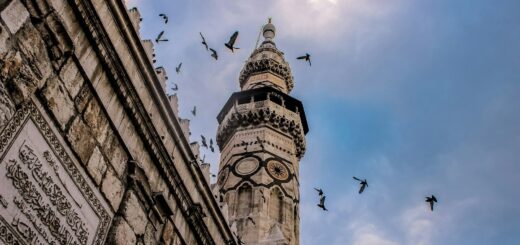
Syria borders Turkey (north), Iraq (east), Jordan (south), Israel (southwest), and Lebanon (west), with Mediterranean Sea coastline (Latakia, Tartus). The capital is Damascus. The currency is the Syrian Pound (SYP), though USD and Turkish Lira are used in many areas. Arabic is the official language. Pre-war Syria was one of the world’s great cultural destinations — Damascus (the world’s continuously inhabited capital), Aleppo’s medieval covered souq (UNESCO-listed), the Roman ruins of Palmyra (Tadmur), the Crusader castle of Krak des Chevaliers, and the ancient city of Apamea.
2. Security Landscape
2.1 Post-Assad Transition (December 2024+)
The fall of Bashar al-Assad’s regime in December 2024 ended 54 years of Assad family rule. HTS (formerly al-Nusra Front, an al-Qaeda affiliate) led the offensive and controls much of northwestern Syria including Idlib and Aleppo. The Syrian Democratic Forces (SDF, Kurdish-led) control northeastern Syria. Other armed factions control additional areas. The new governing situation is uncertain — some areas are stabilising while others remain volatile.
| WARNING — Highly Volatile: Even in areas that appear stable, the security situation can deteriorate extremely rapidly. Armed groups that were recently fighting each other are attempting to coexist. UXO and landmines are present across former conflict zones. Kidnapping risk for Western nationals is significant. |
2.2 ISIS Remnants
| WARNING — ISIS Activity: ISIS retains a presence in the Syrian Desert (Badia region), parts of Deir ez-Zor province, and isolated pockets. Despite territorial defeat, cell attacks, IEDs, and assassinations continue. Do not travel to eastern Syria or the Syrian Desert without comprehensive security arrangements and real-time intelligence. |
3. Areas Overview
Damascus (Syrian government territory under new administration): partially functioning, some services resuming. Aleppo (HTS control since December 2024): partially destroyed, rebuilding beginning. Latakia/Tartus (Mediterranean coast): traditionally more stable, Alawite-majority areas experiencing post-regime uncertainty. Idlib Province: HTS stronghold, uncertain for Western visitors. Northeastern Syria (SDF/Autonomous Administration of North and East Syria — AANES): includes Kobane, Qamishli — the most stable and accessible area for some journalists and aid workers. Palmyra ruins: heavily damaged by ISIS, partially cleared.
4. For Journalists & Aid Workers
If travel to Syria is essential for professional purposes: retain specialist security firms with Syria-specific expertise (Control Risks, G4S, Olive Group). Conduct pre-deployment security training. Establish trusted local contacts in each area you plan to visit. Have a clear communications and check-in protocol. Register with relevant UN agencies (OCHA, UNHCR). Maintain multiple evacuation plans. Carry comprehensive medical evacuation insurance explicitly covering conflict zones.
5. Health & Medical
Syria’s health system has been catastrophically damaged by 14 years of conflict. Most major hospitals in Aleppo and Homs were destroyed. Damascus retains better facilities but supplies are limited. MSF and WHO operate in accessible areas. Medical evacuation to Turkey (Gaziantep, Hatay) is the only viable option for serious conditions. Ensure explicit conflict-zone medical evacuation insurance coverage.
6. Common Threats
| Scam Name | How It Works | How to Avoid It |
| Checkpoint Extortion | Armed groups at checkpoints demand payment from travellers. | Experienced local fixers know checkpoint protocols and personnel. Never travel without a vetted local guide. |
| Kidnapping Risk | Western nationals face kidnapping risk from criminal groups and armed factions throughout Syria. | Maintain strict OPSEC. Do not publicise movements on social media. Vary routes and routines daily. |
| Fake Permits | Individuals claim to provide official travel permits for restricted zones. | Obtain all permissions through official channels of the controlling authority for each area. |
| Currency Confusion | Multiple currencies in circulation with rapidly changing exchange rates. | Use trusted money changers recommended by your local network. |
| Device Confiscation | Armed groups confiscate phones, laptops, and cameras at checkpoints. | Encrypt all devices. Use disappearing messages. Do not carry sensitive content across checkpoints. |
7. Emergency Contacts
| Service | Number / Details |
| Syrian Arab Red Crescent | +963 11 442 2200 |
| ICRC Damascus | +963 11 331 4313 |
| UN OCHA Syria | +963 11 211 4454 |
| WHO Syria | +963 11 331 2490 |
| MSF (Medecins Sans Frontieres Syria) | via msf.org regional offices |
| UK Embassy (via Beirut) | +961 4 960 800 |
| US Embassy (via Amman, Jordan) | +962 6 590 6000 |
| Turkish Embassy Damascus | +963 11 333 7248 |
8. Safety Checklist
- Do not travel to Syria for tourism — situation remains dangerous throughout the country
- If essential travel: obtain specialist security briefing from Syria-experienced firm
- Register with relevant UN agencies (OCHA, UNHCR) before travel
- Obtain comprehensive medical evacuation insurance with explicit conflict zone coverage
- Travel with vetted local guide/fixer with real-time situational awareness
- Carry minimal identification while keeping copies secure
- Encrypt all digital devices and use Signal with disappearing messages
- Do not photograph military, checkpoints, or armed group infrastructure
- Have clear evacuation plan — Turkey (Gaziantep, Hatay) is the primary option
- Maintain strict communications schedule with trusted contact outside Syria
- Be aware of UXO risk — do not leave marked roads or paths