How to Stay Safe in Uzbekistan
Introduction
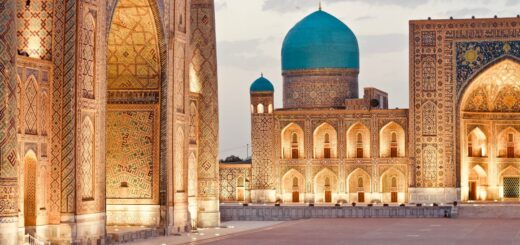
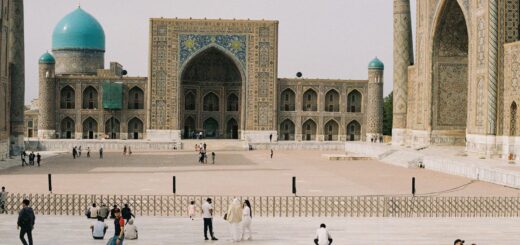
Uzbekistan is the jewel of the ancient Silk Road, home to some of the most spectacular Islamic architecture in the world — Samarkand’s Registan, Bukhara’s historic core, and the walled city of Khiva. Since the death of long-serving authoritarian president Islam Karimov in 2016, Uzbekistan has embarked on a significant opening, relaxing visa requirements, upgrading tourism infrastructure, and liberalising the economy. Today it is one of Central Asia’s most accessible and tourist-friendly destinations. Crime against tourists is low, but visitors should be aware of scams, bureaucratic requirements, and regional border sensitivities.
Security Landscape
Uzbekistan is generally safe for tourists. Violent crime, particularly against foreigners, is rare. The government maintains strong internal security. The main practical risks are petty theft in crowded bazaars, taxi and currency scams, and the need to register your presence with authorities. The country is predominantly Sunni Muslim but maintains a secular tradition from the Soviet era.
The Fergana Valley — particularly near the Kyrgyzstan and Tajikistan borders — has historically had inter-ethnic and border tensions. The 2022 Karakalpakstan protests (south-west Uzbekistan) were suppressed; the region is currently calm but monitor for developments if travelling there.
| WARNING — Afghan Border Region: The area close to the Afghan border (Termez, Surkhandarya region) carries elevated risk due to cross-border instability. Tourists should avoid border zones unless on a well-organised tour with security briefings. |
Safe and Risky Areas
The major tourist cities — Samarkand, Bukhara, Khiva, and Tashkent — are safe and well-trafficked by international visitors. Tashkent is a modern, walkable capital. Bukhara and Khiva are best explored on foot and are very safe during the day and evening.
The Aral Sea region (Karakalpakstan) requires long travel on poor roads; safety is adequate but the infrastructure is basic. Fergana Valley cities (Kokand, Andijan, Namangan) are safe but culturally more conservative; modest dress is advisable.
Transportation Safety
Uzbekistan’s high-speed Afrosiyob train connects Tashkent, Samarkand, and Bukhara — it is fast, reliable, affordable, and the best option for intercity travel. Ordinary trains are slower but functional. Shared minibuses (marshrutkas) serve routes not covered by trains.
Taxis are widely available; ride-hailing apps Yandex Go and MyTaxi operate in all major cities and are far preferable to flagging street taxis (which routinely overcharge foreigners). Renting a car with a driver is a popular and practical option for touring the Silk Road cities.
| TIP — Booking Trains Early: High-speed train tickets between Tashkent and Samarkand/Bukhara sell out quickly during peak season (April–June and September–October). Book at least one week in advance through the railway website or a licensed agency. |
Health and Medical Safety
Medical facilities in Tashkent are adequate for minor conditions; major hospitals have improved significantly since 2000. Outside the capital, facilities are limited; for serious conditions, evacuation to Tashkent or Dubai is advisable. Comprehensive travel insurance with evacuation cover is strongly recommended.
Tap water is not reliably safe to drink — use bottled water. Summer temperatures in the interior exceed 40°C; heatstroke is a risk for tourists doing extensive outdoor sightseeing. Central Asian food — plov, samsa, shashlik — is generally safe from reputable establishments, but street food hygiene can be variable.
| WARNING — Altitude in Eastern Regions: If trekking in the Nuratau or Chimgan mountains east of Tashkent, elevations can reach over 3,000m. Acclimatise properly and be aware of acute mountain sickness symptoms. |
Common Scams & How to Avoid Them
| Scam Name | How It Works | How to Avoid It |
| Currency Exchange Scam | Unofficial changers on the street offer better-than-official rates. Since 2017, the black market premium has mostly disappeared — street changers often shortchange tourists or pass counterfeit notes. | Use official exchange points (banks, certified exchange booths in airports and hotels). Rates are now competitive. Always count money in full before leaving. |
| Taxi Overcharging | Street taxis (especially near airports, train stations, and tourist sites) quote inflated fares to foreigners and rarely use meters. | Use Yandex Go or MyTaxi apps for transparent, metered pricing. If negotiating, agree the price before getting in and confirm it is Uzbek som (UZS), not USD. |
| Fake Guides at Sites | Unofficial guides approach tourists at Registan and other major sites claiming special access, night entry, or ‘closed’ routes for a fee. | Hire guides through your hotel, licensed agencies, or the official booking desk at each site. Official entry tickets are sold at booths — beware of touts claiming a ‘ticket office is closed.’ |
| Hotel Registration Fraud | Hotels are legally required to register foreign guests with authorities. Some budget guesthouses fail to register guests, leaving tourists without required documentation. | Stay at registered hotels (all major hotels do this automatically). Collect your registration slip from every accommodation. Carry all slips for customs checks at departure. |
| Carpet and Craft Overpricing | Vendors in Bukhara and Samarkand bazaars target tourists with prices 5–10x above fair market value for silk, ceramics, and carpets. | Research fair prices beforehand (ask your guide or hotel). Bargain respectfully. Compare prices at multiple stalls. UZS cash often gets a better price than cards. |
| Spiked Drinks / Friendship Scam | A new ‘friend’ invites a solo traveller to their home or a private drinking session; drinks are spiked and valuables stolen. | Exercise caution with strangers who are overly eager to buy drinks. Socialise in public places. Never leave your drink unattended. |
Legal and Cultural Considerations
Uzbekistan is a Muslim-majority country with strong secular Soviet-era traditions. Alcohol is widely available in restaurants and shops. Modest dress is appreciated, especially at mosques and in the Fergana Valley; both men and women should cover shoulders and knees at religious sites.
Photography of mosques and madrassahs is generally permitted, but always ask permission inside prayer spaces and before photographing individuals. Photographing military or police sites, border crossings, and government buildings is prohibited.
| WARNING — Hotel Registration Requirement: All foreign nationals must be registered at every place they stay. Hotels do this automatically; if staying with Uzbek friends or in a rural guesthouse, you must visit the local government office (OVIR) to register within 3 days. Failure to register can result in fines and complications at departure. |
Emergency Contacts
| Service | Number / Contact |
| Police | 102 |
| Ambulance | 103 |
| Fire | 101 |
| Emergency (unified) | 112 |
| Tourist Helpline (Uzbektourism) | +998 71 233 1011 |
| UK Embassy (Tashkent) | +998 71 120 0000 |
| US Embassy (Tashkent) | +998 71 120 5450 |
| Australian Consulate (Tashkent) | Contact via Australian Embassy Moscow |
Safety Checklist
- Book high-speed train tickets between Silk Road cities at least one week in advance
- Collect hotel registration slips from every accommodation — needed at airport departure
- Use Yandex Go or MyTaxi for all taxi trips; avoid unmarked street taxis
- Exchange currency at official booths — keep all receipts
- Dress modestly at mosques and in conservative areas (Fergana Valley)
- Carry bottled water and sun protection for summer sightseeing
- Purchase travel insurance with medical evacuation cover
- Research fair bazaar prices before shopping in Bukhara and Samarkand
- Avoid the Afghan border zone in Surkhandarya region
- Store your country’s embassy contact number in your phone