How to Stay Safe in Georgia
Introduction
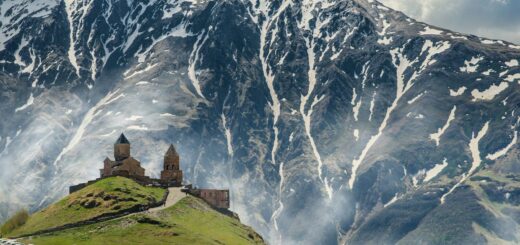
Georgia, the ancient nation at the crossroads of Europe and Asia in the South Caucasus, is one of the world’s most compelling travel destinations. The country offers visitors extraordinary diversity within a compact geography: the medieval cave city of Vardzia, the fortress-monastery complexes of Mtskheta (UNESCO-listed), the vibrant and architecturally eclectic capital Tbilisi with its sulphur bath district and iconic Narikala Fortress, the soaring Caucasus mountain villages of Kazbegi and Svaneti, and a wine culture that is among the oldest in the world (Georgia is considered the birthplace of wine, with 8,000 years of winemaking history).
Georgia has become one of Europe’s most exciting emerging travel destinations in recent years, attracting adventurous travellers with its combination of genuinely warm hospitality, extraordinary scenery, excellent gastronomy, and affordability. The Georgian concept of “supra” — the traditional feast with a toastmaster (tamada) — represents one of the world’s great hospitality traditions and a genuine cultural experience for visitors. Tourism is a major and growing component of the Georgian economy.
Georgia is generally safe for tourists, and violent crime against visitors is uncommon. The most important geopolitical caveat: the territories of South Ossetia and Abkhazia are under Russian military control and occupation, recognised by virtually no countries beyond Russia. Travel to these territories is dangerous and effectively inaccessible from Georgian-controlled territory; entering from Russian-controlled territory constitutes illegal entry into Georgia.
General Safety Overview
Georgia has a moderate overall crime rate. Violent crime against tourists is uncommon in Tbilisi and major tourist areas. Petty crime — pickpocketing and bag snatching — occurs at low to moderate levels in Tbilisi’s tourist-heavy areas: the Old Town (Abanotubani, Narikala area), Rustaveli Avenue, the Dry Bridge flea market, and Meidan Bazaar. Car break-ins and theft from vehicles occur in tourist parking areas.
The political environment in Georgia has become more complex in 2023–2024, with significant public protests related to the ruling Georgian Dream party’s foreign policy direction. These protests have been largely peaceful but have at times involved police use of crowd control measures. Monitor local news and avoid protest gatherings.
Personal Safety and Crime Prevention
Be alert to pickpockets in the crowded Dry Bridge market area and in Tbilisi’s tourist-heavy Old Town on weekends and during festivals. The public minibus (marshrutka) system, while cheap and a genuine local experience, can be crowded and is a pickpocket opportunity. Tbilisi’s metro is generally safe and convenient.
Late-night safety in Tbilisi is generally reasonable in the entertainment districts (Fabrika, Hoxton Bar area, the wine bar quarter), though standard alcohol-related awareness applies. Women travelling alone have generally reported feeling safe in Tbilisi; harassment is uncommon but not absent.
- Secure your bag in the Old Town and Dry Bridge market area.
- Be aware on crowded marshrutkas (minibuses).
- Do not engage with political protests.
- Avoid the borders with South Ossetia and Abkhazia entirely.
- Trekking in the Caucasus mountains requires proper preparation and local guidance.
Transportation Safety
Road safety is a significant concern in Georgia. Georgian driving style is aggressive, traffic laws are inconsistently observed, and the quality of roads outside major highways varies from reasonable to very poor, particularly on mountain roads. The Military Highway connecting Tbilisi to Kazbegi (Pass of the Cross, 2,379 m) is one of Georgia’s most spectacular drives but also one of the most hazardous, particularly in winter and early spring when ice and rockfalls are possible.
The Bolt app operates in Tbilisi and is by far the safest, most transparent taxi option in the city. Unmetered street taxis have been known to significantly overcharge tourists. Shared marshrutkas connect Tbilisi to all major towns and tourist destinations; they are cheap and frequent but comfort and safety standards are basic.
- Use Bolt app exclusively for taxis in Tbilisi.
- The Military Highway to Kazbegi: drive slowly, be prepared for conditions, check weather.
- Never attempt the cross mountain roads in Georgia in poor winter conditions without experience.
- Marshrutkas are the backbone of intercity transport — choose busy, reliable services.
Health and Medical Safety
Healthcare quality in Georgia is variable. Tbilisi has several private hospitals and clinics (including the GPC Medical Centre) with reasonable standards and some English-speaking staff. Outside the capital, medical facilities are limited. Comprehensive travel insurance with medical evacuation is strongly recommended, especially for mountain trekking activities.
Tap water in Tbilisi is generally considered safe by Georgian standards, but many visitors prefer bottled water to avoid any risk. In mountain villages and rural areas, only use treated or bottled water. The famous Georgian sulphur baths (Abanotubani) are a safe, enjoyable cultural experience; the water is naturally sulphurous and has been used therapeutically for centuries.
- Purchase comprehensive travel insurance including mountain rescue and evacuation.
- Bottled water is cheap and recommended, especially outside Tbilisi.
- Bring any prescription medications — availability is limited outside the capital.
- For high-altitude Svaneti treks, acclimatise carefully.
Natural Hazards
Georgia is located in a seismically active zone; earthquakes are a genuine risk, particularly in the eastern and northern regions. The Caucasus Mountains present serious hazards for unprepared trekkers: sudden weather changes, avalanche risk in winter and spring, rockfalls, and river crossings that can be impassable during spring snowmelt. Trekking routes in Svaneti and Kazbegi are spectacular but require proper equipment, experience, and ideally local guide support.
Digital and Financial Safety
The Georgian lari (GEL) is the currency. Cash is widely used, especially outside Tbilisi. Card acceptance is growing in the capital but limited in villages. ATMs are available in Tbilisi and major towns; use bank-operated machines. The official currency exchange market in Georgia is relatively transparent; exchange offices (obmenniki) operate throughout Tbilisi. Unofficial street changers should be avoided.
- Carry GEL cash for travel outside Tbilisi and for rural areas.
- Use bank-operated ATMs only.
- Exchange currency at licensed offices or banks.
- Local SIM cards (Geocell, Magti) are cheap and provide reasonable coverage on main routes.
Common Tourist Scams and How to Avoid Them
Georgia is not a destination known for aggressive tourist scams, but a few schemes do occur, primarily in Tbilisi and at key tourist sites.
Taxi Overcharging in Tbilisi
Unmetered taxis, particularly those near Rustaveli Avenue, Freedom Square, and outside major hotels, quote inflated fares to tourists unfamiliar with standard rates. The airport route to central Tbilisi is a particular overcharging hotspot.
How to Avoid: Use Bolt for all taxi journeys in Tbilisi without exception — transparent, pre-agreed pricing eliminates this risk entirely. At the airport, use the Bolt app or pre-book a hotel transfer.
Unofficial Currency Exchange
Some individuals near the Dry Bridge market and tourist areas offer currency exchange at slightly better rates than official offices. These exchanges often involve sleight of hand, shortchanging, or worthless notes inserted into the count.
How to Avoid: Use only licensed exchange offices or bank ATMs.
Pressure Wine and Chacha Selling
Georgia’s wine culture is genuine and extraordinary, but some vendors at the Dry Bridge market and in tourist areas sell wine and chacha (grape brandy) claiming exceptional quality or age that the product does not possess. Prices can be dramatically inflated for tourist-facing sales.
How to Avoid: Visit proper wine shops or the Vinoteca for purchases. For genuine wine experiences, use established wine bars with transparent pricing. Compare prices across several vendors.
Unofficial Guides at Historical Sites
At popular sites like Mtskheta, the cave monastery of Vardzia, and Uplistsikhe, unofficial individuals offer guiding services and then demand disproportionate payment.
How to Avoid: Hire official guides through visitor centres or reputable tour agencies. Agree on a total price in advance.
Hiking Tour Overcharging
Some informal “guide” services for trekking routes in Kazbegi and Svaneti quote one price and then present inflated bills at the end of the service, citing extra distances walked, equipment used, or other improvised charges.
How to Avoid: Book trekking guides through established, reviewed agencies in Tbilisi or through your accommodation. Get a written agreement specifying exactly what is included and the total price.
Cultural Awareness and Etiquette
Georgian culture is profoundly hospitable — the Georgian word for “guest” (stumari) is etymologically connected to the word for “God-given,” reflecting the sacred status of the guest in traditional Georgian culture. If invited to a supra (feast), attend if at all possible — it is a transformative cultural experience. The tamada (toastmaster) leads a series of elaborate, heartfelt toasts that are a genuine art form; participating even minimally in the toast tradition is respectful and appreciated.
Georgia is a majority Eastern Orthodox Christian country, and churches and monasteries are active spiritual sites deserving modest dress and quiet behaviour. The political situation regarding Russia and the occupied territories is deeply sensitive; Georgians have very strong feelings about the 2008 Russian invasion and the continuing occupation of 20% of Georgian territory. Approach these subjects with sensitivity and genuine respect for Georgian sovereignty.
- Accept supra invitations if offered — it is a genuine cultural experience.
- Dress modestly at all Orthodox churches and monasteries.
- Ask permission before photographing people, especially in rural areas.
- Approach the topic of Russian occupation of South Ossetia and Abkhazia with sensitivity.
- Tipping 10% in restaurants in Tbilisi is appreciated.
Emergency Contacts
| Service | Number |
| Police | 112 |
| Ambulance | 112 |
| Fire | 112 |
| General Emergency | 112 |
Note: Georgia uses 112 for all emergency services. Some operators may have limited English — having your hotel address in Georgian or nearby landmarks identified can help.