How to Stay Safe in Czech Republic
Introduction
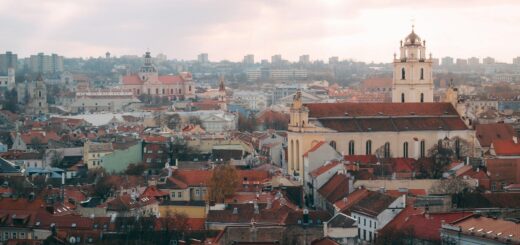
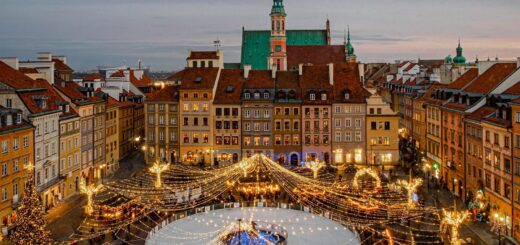
The Czech Republic, and its magnificent capital Prague, is one of Europe’s most visited destinations. Prague — one of the few major European capitals to have survived the Second World War largely intact — is a city of extraordinary architectural beauty: the Gothic grandeur of St. Vitus Cathedral and Old Town Square, the Baroque extravagance of Malá Strana (Lesser Town), the remarkable medieval Astronomical Clock (Orloj), and the iconic Charles Bridge create a cityscape that many consider the most beautiful in Europe. Beyond Prague, the Czech Republic offers the spa towns of Karlovy Vary and Mariánské Lázně, the medieval silver-mining town of Kutná Hora, and the rolling Bohemian countryside.
Unfortunately, Prague has earned a significant and well-deserved reputation as one of Europe’s most tourist-scam-affected cities. Currency exchange fraud, taxi overcharging, and bar scams affect a disproportionate number of visitors annually. This is not a reason to avoid Prague — it is one of the world’s great cities — but it does mean that specific knowledge and vigilance are more important here than in many comparable destinations.
Away from Prague, the Czech Republic is a safe and pleasant destination with no particular scam reputation. Brno, Olomouc, Pilsen (Plzeň), and the natural areas of Bohemian Switzerland National Park are all welcoming and low-risk for tourists.
General Safety Overview
The Czech Republic is generally safe for tourists. Violent crime against visitors is rare, and the country performs well on European safety indices. The most significant crime risks are concentrated in Prague: pickpocketing (particularly on the tourist-heavy tram 22 route, the Metro, Charles Bridge, and Old Town Square), and a range of commercial scams that have evolved to specifically target the large volume of tourists the city receives.
The Žižkov area and around the main train station (Praha Hlavní Nádraží) have slightly elevated crime rates and warrant standard awareness after dark. Prague’s historic core is generally safe at all hours, though the very high density of tourist-oriented bars and clubs around the Old Town creates a late-night environment where personal safety awareness is important.
Personal Safety and Crime Prevention
Pickpocket teams operate specifically on Prague’s most tourist-heavy tram routes (particularly Tram 22 and 23) and on Metro lines serving the tourist centre. The Charles Bridge, Old Town Square, and the queues at the Astronomical Clock are prime pickpocket environments in summer. Keep bags firmly secured to your front and be alert to any deliberate jostling or distraction.
Excessive alcohol consumption is a specific risk in Prague’s Old Town bar scene, which has historically attracted stag party tourism and bachelor/bachelorette groups. Drink spiking has been reported. The combination of cheap strong alcohol and late-night crowded environments requires particular personal safety awareness.
- Keep your bag in front of you on trams and Metro at all times.
- Be aware on Tram 22 — it is a known pickpocket operation route.
- Never keep your wallet in your back pocket anywhere in Prague Old Town.
- Never leave your drink unattended.
- Be alert to distractions and deliberate contact in crowded tourist areas.
- Use your hotel safe for passports and spare cash.
Transportation Safety
Prague has an excellent public transport network (Metro, trams, and buses) that is cheap, efficient, and covers the whole city. Validate your ticket before boarding; regular inspectors check tickets and issue on-the-spot fines for fare evasion. Prague taxis have historically been one of the city’s major tourist problem areas — dramatically inflated fares were common. Today, Bolt and Uber have largely resolved this issue by providing transparent, pre-agreed pricing, and are strongly recommended.
Road driving in the Czech Republic is on the right. A motorway vignette is required for driving on the motorway network — available at border crossings and petrol stations. Czech driving standards are generally good, though speeding is common. Driving under the influence of alcohol is absolutely prohibited in the Czech Republic — the legal limit is zero, not the 0.05–0.08 common elsewhere in Europe.
- Use Bolt or Uber in Prague — never hail a street taxi or accept taxi offers from anyone approaching you.
- Always validate public transport tickets before boarding.
- The legal blood alcohol limit for driving in Czech Republic is ZERO — any alcohol and driving is illegal.
- Motorway vignettes are required — purchase at the border or at fuel stations.
Health and Medical Safety
Czech healthcare is of good European standard. Prague has several excellent hospitals and private clinics with English-speaking staff. EU citizens with EHIC are entitled to state healthcare on standard terms. Non-EU visitors should have comprehensive travel insurance.
Prague’s tap water is safe to drink. The Czech Republic has a strong beer culture; Czech beer (pivo) is exceptional but note that standard Czech lager (10°, 11°, 12° — referring to original gravity, not alcohol content) typically contains 4–5% ABV, with special and dark beers higher. The low price makes it easy to drink more than intended.
- Prague tap water is safe and excellent quality.
- EHIC card (EU citizens) provides access to state healthcare.
- Pace alcohol consumption — Czech beers are of variable strength and very affordable.
- Private medical clinics in Prague have English-speaking doctors.
Natural Hazards
The Czech Republic has no coastline, volcanoes, or earthquake-prone zones. Flooding is the most significant natural hazard — the Vltava and Elbe rivers have caused devastating floods in Prague and other Czech cities in 1997, 2002, and periodically since. Flood warning systems are well developed. Bohemian Switzerland National Park experienced a devastating wildfire in 2022; the area is recovering and fire risk in dry summers should be noted by hikers.
Digital and Financial Safety
The Czech Republic has not adopted the euro; the Czech Crown (Koruna, CZK) is the currency. This creates a specific and significant scam risk: currency exchange fraud is one of the most documented tourist problems in Prague. Many exchange offices — particularly those without visible rate boards, those in tourist-heavy locations, and those offering unusually favourable rates — use various techniques to deliver far less money than the quoted rate implies.
The specific mechanism of Prague currency exchange fraud: some offices display a very attractive buying rate in large text but apply the much less favourable selling rate (or a different rate category entirely) to tourist transactions. Others charge high commissions not disclosed upfront. Others use a “rate guarantee” that includes hidden processing fees. Some apply the displayed rate only to very large transactions while applying a far worse rate to typical tourist amounts.
- CRITICAL: Exchange currency only at bank-operated exchange counters or reputable mall exchange offices.
- Never exchange money at tourist-area kiosks or offices that approach you on the street.
- NEVER use the currency exchange booths at or immediately around Charles Bridge or Old Town Square.
- Before any exchange, calculate exactly how many CZK you should receive and verify this number before accepting.
- Using your debit card at a Czech bank ATM is often the safest and most transparent way to access CZK.
Common Tourist Scams and How to Avoid Them
Prague has a well-documented range of tourist scams that recur year after year. Knowledge of these specific scams is essential for any visitor to the city.
Currency Exchange Fraud (Most Critical Prague Scam)
This is the single most widespread and financially damaging tourist scam in Prague. Exchange offices use confusing rate displays, undisclosed commissions, or bait-and-switch rates to give tourists a tiny fraction of the money they should receive. A tourist converting €200 might receive CZK 3,000 when the correct amount is CZK 5,000. The losses can be substantial.
How to Avoid: Use ONLY bank-operated exchange windows or ATMs from major Czech banks (Česká spořitelna, ČSOB, Komerční banka). The Euronet ATMs spread across tourist areas of Prague are well-known for charging very high fees — use local bank ATMs instead. Calculate expected amounts before approaching any exchange point. If the amount offered is lower than expected, refuse the transaction and walk away.
Overpriced Taxi (Pre-Bolt Era Practices Still Exist)
While Bolt and Uber have dramatically improved the Prague taxi situation, some areas — particularly near tourist nightlife districts late at night — still see taxi operators overcharging significantly, or drivers who run the meter at excessive rates. A legitimate taxi from the airport to central Prague should cost approximately 500–700 CZK; overcharging taxis have charged over 2,000 CZK.
How to Avoid: Book all taxis through the Bolt or Uber apps without exception. If you must use a street taxi, call a reputable licensed dispatch company (AAA Taxi: +420 14014; Liftago) rather than accepting an offer from someone approaching you.
“Helpful Stranger” at ATM
A friendly stranger offers to help you use the ATM (claiming it is difficult to operate in Czech), stands close, memorises your PIN, then distracts or delays you while a partner swaps or takes your card as it is dispensed.
How to Avoid: Always use ATMs alone. Never accept help from strangers at ATMs. Shield the keypad with your body even if no one appears to be watching. Take your card immediately when dispensed.
Menu Price Switching
Some tourist-area restaurants display one price on the outside menu to attract customers, then provide a different menu with higher prices once seated. The price difference may be discovered only when the bill arrives. Some restaurants also add “bread,” “cover charge,” or other items to bills without prior disclosure.
How to Avoid: Check the menu before entering a restaurant and verify it is the same menu used when you are seated. Query any items on your bill that were not ordered. If the restaurant refuses to adjust a fraudulent bill, take a photo of the bill and report to the Czech Trade Inspection Authority.
Strip Club / Bar Extortion
Tourists (predominantly male) are approached near Prague’s Old Town by friendly individuals — sometimes women — who invite them to a nearby bar or strip club. Once inside, they are served drinks without clear price disclosure and presented with a bill for hundreds or thousands of euros, backed by intimidation if they refuse to pay.
How to Avoid: Never enter bars, strip clubs, or nightclubs on the invitation of strangers who approach you on the street. Research any nightlife venue independently before visiting. If presented with an extortionate bill, remain calm, call the police (158), and do not pay without receiving an itemised receipt.
Overpriced Beer in “Tourist Pubs”
Certain pubs in the Old Town area that primarily cater to tourists charge prices far above what Czech beer should cost — sometimes 10× the price in local pubs a few streets away. Prices may be displayed only in small text or disclosed only when the bill arrives.
How to Avoid: Check that a menu with prices is visible before sitting in any Old Town bar or restaurant. Seek out pubs a few streets away from Old Town Square and Charles Bridge for far more authentic experiences at a fraction of the price.
Cultural Awareness and Etiquette
Czech culture tends toward reserve and pragmatism in initial interactions with strangers, but warms considerably once acquainted. Czechs take considerable pride in their historical and cultural heritage, their beer culture (Czech lager was the original Pilsner style and Budějovický Budvar — the original Budweiser — is Czech), and their literary and artistic traditions. Making any effort to learn a few words of Czech (Dobrý den — hello; Děkuji — thank you; Prosím — please) is appreciated.
Tipping in Czech Republic: 10% in restaurants for good service is standard. Rounding up the total or telling the server how much change you want back when paying is the customary approach. Do not leave a tip on the table when paying by card — the tip must be stated verbally to the server.
- Use “Dobrý den” (good day) as your standard greeting — it is always appreciated.
- Tip verbally to the server when paying — do not leave cash on the table.
- Czech historical and cultural pride is genuine and deep — showing interest is warmly received.
- Avoid loud, boisterous behaviour in residential Prague neighbourhoods at night.
Emergency Contacts
| Service | Number |
| Police | 158 |
| Ambulance | 155 |
| Fire | 150 |
| General Emergency | 112 |
Note: EU emergency number 112 works in Czech Republic. English-speaking operators are available. For non-emergency police assistance in Prague, the tourist police station is at Jungmannovo náměstí 9.