How to Stay Safe in Croatia
Introduction
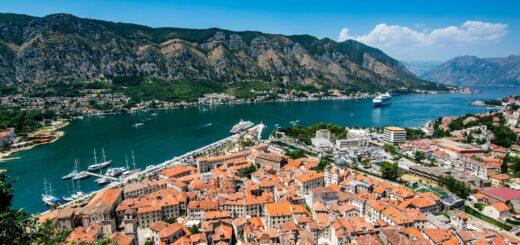
Croatia, stretching along the eastern Adriatic coast, is one of Europe’s most visually spectacular countries. The walled medieval city of Dubrovnik — now a UNESCO World Heritage Site and an internationally recognised icon — draws visitors from across the globe. Split’s extraordinary living Diocletian’s Palace, the island archipelago of Hvar, Brač, and Korčula, the Plitvice Lakes National Park with its cascading turquoise waterfalls, and Rovinj’s Venetian-influenced Old Town represent just a fraction of the country’s remarkable offerings. Croatia joined the EU in 2013 and the Schengen Area in January 2023.
Croatia is a popular, safe, and well-developed tourist destination. The country receives approximately 20 million tourists annually — remarkable for a country of just 4 million people — and has the infrastructure to support them. However, this success has brought the significant challenge of overtourism, particularly in Dubrovnik, Plitvice, and Hvar in the peak summer months (July and August), which creates overcrowding, strained services, and an environment where petty crime has more opportunity.
Croatian tourism is primarily a summer phenomenon, and the peak season experience differs markedly from the quieter shoulder seasons (May–June, September–October). This guide covers safety for both, with particular attention to the specific risks of the peak season tourist environment.
General Safety Overview
Croatia is one of the safer EU countries for tourists. Violent crime against visitors is very rare, and the country scores well on European safety indices. The most common crimes affecting tourists are pickpocketing and petty theft, concentrated in the crowded tourist areas of Dubrovnik’s Old City, Split’s Riva promenade and Old Town, Hvar Town, and major bus and ferry terminals. Car break-ins are a notable issue in tourist areas where rental cars parked near attractions are easily identified by hire company stickers.
Croatia experienced a significant earthquake in 2020 (magnitude 6.4, centred near Sisak-Moslavina County) that caused substantial damage in certain areas. Zagreb’s Gornji Grad (Upper Town) and Kaptol sustained damage that required and is still undergoing reconstruction. Be aware that some older buildings may have structural issues related to earthquake damage.
Personal Safety and Crime Prevention
In Dubrovnik, crowds in the summer months can be extraordinary — up to 10,000 cruise ship passengers may be in the Old City simultaneously alongside resort guests. In this environment, pickpocket teams can operate effectively in the narrow streets around Stradun (the main promenade), the Pile and Ploče gates, and the cable car queues. The same concentrated risk applies to Split’s Peristyle area, the ferry terminal, and the main Riva seafront.
Croatian islands, while generally very safe, present some specific risks: swimming from rocky coasts where sea urchins and jellyfish (particularly the mauve stinger, Pelagia noctiluca) can cause painful injuries; and boat rental and tour operations with varying safety standards. Party island culture on Hvar has been associated with drink spiking incidents — the same precautions apply as in any intensive nightlife environment.
- Carry minimal valuables in Dubrovnik and Split old city areas during peak summer crowds.
- Do not leave any items visible in parked rental cars — especially in coastal tourist parking areas.
- Shuffle feet when wading in shallow rocky sea areas to avoid sea urchin spines.
- Keep a close eye on your drinks in nightlife areas.
- Book boat tours with established, safety-certified operators.
- Summer crowds in Dubrovnik are extreme in July–August — consider visiting in May, June, September or October for a safer, more enjoyable experience.
Transportation Safety
Croatia’s road network has improved significantly with the opening of the Dalmatian motorway (A1), which connects Zagreb to Ploče. However, the coastal road (D8, or the Magistrala) running through Dalmatia — one of the world’s most scenic coastal drives — is narrow in many sections, has sharp bends, and sees very heavy traffic in summer. Fatigue-related accidents on this road are common; take breaks frequently and avoid driving in peak heat hours.
Ferries between the mainland and Croatia’s 1,000+ islands operate extensively throughout the summer and are operated by Jadrolinija (state-owned) and private operators. Jadrolinija ferries are well-maintained and safe. Private speedboat taxis and unofficial tours have a more variable safety record. Ensure any boat you board has visible life jackets and is operated by a licensed company.
- Drive the coastal D8 road with extreme care — it is narrow, winding, and busy in summer.
- Take regular breaks on long coastal drives to avoid fatigue.
- Use Jadrolinija for inter-island ferry travel — they are the safe, regulated option.
- Taxis in Croatia are metered; Bolt and Uber also operate in major cities.
- Rent bicycles with helmets — cycling infrastructure is improving but roads can be narrow.
Health and Medical Safety
Croatian healthcare is adequate and improving. EU citizens with an EHIC card are entitled to state healthcare; private hospitals and clinics are available in major cities and tourist areas. In remote island and coastal areas, medical facilities are limited and serious cases require transfer to the mainland. Comprehensive travel insurance is recommended.
The sun on the Dalmatian coast can be very intense in July and August, and heat exhaustion is a genuine risk for tourists walking around walled cities like Dubrovnik in the midday heat. Sea water quality in Croatia is among the highest in Europe — regularly measured and certified. The main swimming hazard is sea urchins on rocky coasts, easily avoided with reef shoes.
- Carry your EHIC card (EU citizens) or ensure travel insurance covers Croatian medical costs.
- Wear high-SPF sunscreen and a hat when visiting exposed sites in summer.
- Wear reef/water shoes when entering the sea from rocky shores.
- Stay hydrated — pack a reusable water bottle for walking tours.
- Jellyfish season peaks in late summer; check local beach conditions.
Natural Hazards
Croatia is in a seismically active zone; the 2020 Sisak earthquake (magnitude 6.4) caused significant damage and casualties, demonstrating that this is a live risk. The Dalmatian coast experiences the Bura (a cold, violent northeasterly wind) and the Jugo (a warm, humid southeasterly) — both can affect ferry services, create rough sea conditions, and make sailing or boat trips dangerous. Check weather forecasts before any maritime activity.
Forest fires are a significant seasonal risk along the Dalmatian coast and islands in summer, driven by heat, drought, and the Bura wind. In recent years, fires on islands including Brač and Hvar have forced evacuations. Follow all local fire warnings and evacuation instructions immediately.
Digital and Financial Safety
Croatia adopted the euro in January 2023, replacing the kuna. Card payments are widely accepted across Croatia. ATMs are plentiful in cities and tourist areas; standard ATM safety precautions apply. Mobile data coverage is good along the coast and on major islands; signal can be weak in mountainous interior areas. Local SIM cards (A1, T-Mobile Croatia) are available at airports and electronics shops.
- Croatia now uses the euro — no currency exchange needed for most EU travellers.
- Card payments are very widely accepted.
- Shield your PIN at ATMs as standard practice.
- Download offline maps for remote interior areas with limited mobile signal.
Common Tourist Scams and How to Avoid Them
Croatia has a moderate level of tourist-oriented scams, concentrated in the highest-volume tourist zones. The following are the most commonly reported.
Taxi Overcharging in Dubrovnik and Split
Unofficial taxis and some licensed taxis near Dubrovnik’s Old City gates and at Split’s ferry terminal overcharge tourists, particularly during peak season when demand for transport is high. Prices can be three to five times the legitimate metered rate.
How to Avoid: Use the Bolt or Uber apps for transparent pricing. Licensed taxis in Croatia must use meters and issue receipts. In Dubrovnik, taxis line up outside the Pile Gate; ask clearly if the meter will be used. Alternatively, use the town’s excellent and cheap bus network.
Rental Car Damage Disputes
A significant and well-documented practice among some Croatian rental agencies involves disputing pre-existing vehicle damage when customers return cars, presenting bills for scratches and dents that existed before the rental period. Some companies use low-quality documentation of prior damage to make dispute difficult.
How to Avoid: Rent from international, reputable companies when possible. Before accepting the vehicle, conduct a thorough video walk-around documenting every existing mark, scratch, or dent. Ensure all damage is marked on the rental document and countersigned. Keep the video on your phone until after the deposit is fully returned.
Overpriced Tourist Menus Near Major Attractions
Restaurants immediately adjacent to the entrance of major tourist sites (Dubrovnik walls, Diocletian’s Palace, Plitvice entrance) often charge premium prices for unremarkable food, knowing customers are a captive audience of tired, hungry tourists. Some do not display full prices outside.
How to Avoid: Walk even one street away from the main tourist entrance to find significantly better value restaurants used by locals. Check Google Maps reviews mentioning “tourist trap” in context. Always verify that a price list is displayed before entering a restaurant.
Unofficial Boat Tour Overcharging
Individuals on waterfronts in Split, Dubrovnik, and on the islands offer informal boat trips or taxi boat services at prices that seem reasonable, but demand significantly more at the destination — citing fuel, weather, waiting time, or other improvised justifications.
How to Avoid: Book boat tours only through licensed operators with written price lists and official receipts. Agree on the full total price in writing before departing. Verify that the operator has appropriate safety equipment and licensing.
“Beach Chair” Territorial Disputes
In some areas, beach sections not clearly designated as private (hotels, restaurants) have been informally claimed by sun-lounger rental operators who charge for use of the beach and become intimidating if tourists try to use the area freely. While Croatian law specifies that a certain coastal strip is public, the practical enforcement can be difficult.
How to Avoid: Research specific beaches before visiting to understand which are genuinely free public beaches. If you want a sunbed, confirm the price before sitting down. Feel confident asserting your rights to use clearly public sections of beach.
Cultural Awareness and Etiquette
Croatian culture is shaped by a Mediterranean, Central European, and Slavic heritage, with variations between the coastal Dalmatian tradition and the more Central European continental interior. Croatians are generally welcoming to tourists but have grown increasingly frustrated with the impacts of overtourism, particularly in Dubrovnik, where residents have been priced out of the city centre. Respectful tourist behaviour — keeping noise down in residential areas at night, not consuming fast food on historic streets, and dressing appropriately beyond the beach — goes a long way.
Croatia’s Dalmatian coast has a deeply embedded tradition of outdoor living, slow meals, and hospitality. Restaurants expect you to take your time; asking for the bill before you are ready is somewhat rude. Tipping approximately 10% for good restaurant service is standard and appreciated.
- Behave respectfully in residential parts of Dubrovnik Old City — noise in the evening disturbs residents.
- Do not walk through cities in swimwear — there are fines for this in Dubrovnik and other towns.
- Tip 10% in restaurants for good service.
- Photography of military and police operations is not permitted.
- Use designated paths in Plitvice Lakes — the wooden boardwalks protect the fragile ecosystem.
Emergency Contacts
| Service | Number |
| Police | 192 |
| Ambulance | 194 |
| Fire | 193 |
| General Emergency | 112 |
Note: EU emergency number 112 works in Croatia. Tourist police offices operate in major cities during the summer season and have English-speaking staff.