How to Stay Safe in Azerbaijan
Introduction
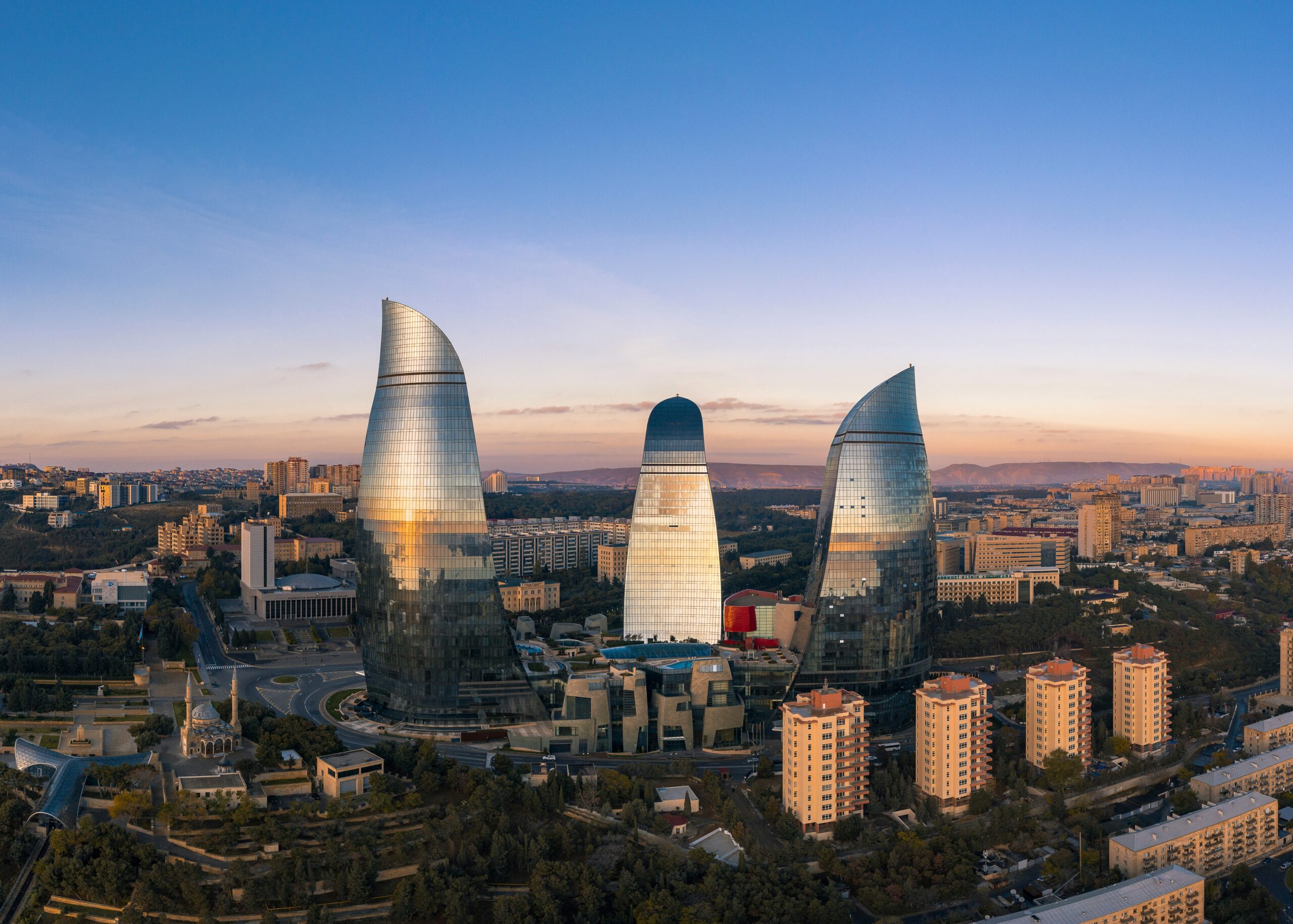
Azerbaijan, the largest country of the South Caucasus, is a fascinating blend of ancient Silk Road heritage and ultramodern oil-funded architecture. Baku, the cosmopolitan capital on the Caspian Sea, presents a striking juxtaposition: the medieval labyrinth of the UNESCO-listed Old City (Icherisheher) sits in the shadow of the futuristic Flame Towers that dominate the skyline. Beyond Baku, Azerbaijan offers visitors the mud volcanoes of the Absheron Peninsula, the fire temple of Ateshgah, prehistoric rock carvings at Gobustan, and the extraordinary mountain landscapes and medieval villages of the Greater Caucasus.
Tourism in Azerbaijan has grown significantly following the country’s hosting of the Formula 1 Baku City Circuit Grand Prix and major international events. The government has invested heavily in tourism infrastructure, and Baku in particular offers excellent hotels, restaurants, and transport links. However, Azerbaijan has specific geopolitical circumstances that every visitor must understand and respect — particularly regarding the Nagorno-Karabakh region and relations with Armenia.
Travel to Azerbaijan from Armenia or with an Armenian passport stamp is not permitted and will result in denial of entry. The areas formerly known as Nagorno-Karabakh and surrounding territories are now under Azerbaijani control following the September 2023 military operation; travel to these areas is strictly controlled by the Azerbaijani government and should not be attempted independently. This guide focuses on the main tourist areas, primarily Baku and the accessible mountain regions.
General Safety Overview
Azerbaijan is generally safe for tourists in the main visited areas. Violent crime against foreigners is uncommon in Baku, and the historic tourist districts are considered reasonably safe during daylight hours. That said, the political environment in Azerbaijan is authoritarian, and tourists should exercise discretion regarding political comments and activities — posting critical comments about the government on social media has led to complications for foreign nationals.
The US State Department rates Azerbaijan Level 2 (exercise increased caution) due to the risk of regional conflict and the legal restrictions on travel to certain areas. The UK FCDO advises against all travel to areas within 5 kilometres of the Armenian border (except the Gazakh–Agstafa exclave strip) and to the Nagorno-Karabakh region.
Petty crime in Baku — pickpocketing, bag theft — is at a lower level than many European capitals, but is not absent, particularly in crowded markets and the Old City. Night-time safety in Baku is generally good in the main entertainment districts.
Personal Safety and Crime Prevention
The most important safety rule in Azerbaijan is to stay well away from all border areas with Armenia and the Nagorno-Karabakh region. These areas remain sensitive militarily, and independent travel to them is extremely dangerous and likely illegal. Check the current travel advisory from your government before any travel outside Baku.
LGBTQ+ travellers should be aware that same-sex relationships, while technically not criminalised in Azerbaijan, exist in a very hostile social and legal environment. Public displays of affection between same-sex couples attract significant negative attention and possible police involvement. Exercise extreme discretion.
- Do not travel to border areas with Armenia or the Nagorno-Karabakh region.
- Avoid making public political comments critical of the Azerbaijani government.
- Exercise discretion as an LGBTQ+ traveller; avoid any public displays of affection.
- Keep copies of your passport and visa in a separate location from the originals.
- Avoid photographing military installations, border facilities, or oil infrastructure.
Transportation Safety
Baku has a modern and affordable metro system, regular buses, and taxis. Metered taxis are available but a significant number of unofficial taxis (private cars acting as taxis) operate, particularly outside hotels and at the airport. These unofficial vehicles have no accountability and present both safety and overcharging risks. The Bolt app operates in Baku and is strongly recommended for safe, transparent taxi journeys.
Intercity road travel in Azerbaijan is generally safe on main highways. Mountain roads in the Greater Caucasus (reaching areas such as Sheki, Quba, and Lahij) can be challenging, particularly in winter when snowfall makes some passes impassable. Always check road conditions before driving to mountain regions.
- Use Bolt or the metered ClickTaxi app for all taxi journeys in Baku.
- Do not enter unofficial taxis (private cars) without a pre-agreed, specific fare.
- Baku Metro is safe, cheap, and efficient for getting around the capital.
- Check road and weather conditions before driving to mountain regions in winter.
Health and Medical Safety
Baku has several good private hospitals and clinics capable of treating most conditions. The Azerbaijan Medical Centre and Bona Dea International Hospital are recommended for foreigners. Outside Baku, medical facilities are limited and basic. Comprehensive travel insurance with medical evacuation cover is strongly recommended.
Tap water in Azerbaijan is not safe to drink directly from the tap; bottled water is cheap and universally available. Food safety at restaurants is generally reasonable in Baku. The summer heat in Baku (July–August regularly exceeds 35°C) combined with humidity from the Caspian Sea makes dehydration a real risk — drink plenty of water and avoid prolonged outdoor exposure during peak heat hours.
- Drink bottled water; do not drink Baku tap water.
- Purchase comprehensive travel insurance including medical evacuation.
- Stay hydrated and limit sun exposure during summer peak heat hours (noon–4pm).
- Bring adequate prescription medications — Western brands have limited availability.
Natural Hazards
Azerbaijan sits in a seismically active region; earthquakes are possible, particularly in northern areas of the country near the Greater Caucasus mountain belt. The dramatic and visually unique mud volcanoes of the Absheron Peninsula are safe to visit with standard caution — stay on marked paths and heed any local warnings about unstable or active areas.
Flooding is a risk in lowland areas and river valleys during heavy spring rainfall, particularly in May and June. Flash floods can occur in mountain gorges. Hikers in the Caucasus foothills should check weather forecasts and avoid narrow gorges during periods of heavy rain.
Digital and Financial Safety
The Azerbaijani manat (AZN) is the currency and is relatively stable. Cash is widely used, especially outside Baku, as card acceptance is limited in smaller towns and rural areas. ATMs are plentiful in Baku; use machines located in bank branches or shopping malls. Currency exchange offices operate throughout Baku — ensure you use licensed, official offices rather than informal changers.
Internet access in Azerbaijan is available but monitored by the government. Some websites and social media platforms are occasionally blocked or restricted. Avoid posting politically sensitive content about Azerbaijan on social media while in the country. Using a VPN is advisable for privacy, though VPN usage exists in a legal grey area.
- Carry manat cash, especially for travel outside Baku.
- Exchange currency only at official, licensed exchange offices or bank ATMs.
- Avoid sensitive political social media posts while in Azerbaijan.
- A VPN is advisable for privacy; be aware of legal context.
Common Tourist Scams and How to Avoid Them
Baku presents a moderate risk of tourist-oriented scams, particularly around the nightlife and taxi industries. The following schemes have been reported by visitors.
Unofficial Taxi Overcharging
Baku’s taxis have no official metering requirement, making overcharging of tourists extremely common, particularly at Heydar Aliyev International Airport and outside upscale hotels. Drivers quote prices three to ten times the legitimate fare and become aggressive when tourists object after the journey.
How to Avoid: Use the Bolt or ClickTaxi apps for all journeys — prices are agreed before the ride. At the airport, pre-book a transfer through your hotel or use the official airport taxi service inside the arrivals terminal. Never enter an unmarked vehicle without confirming a specific, reasonable price upfront.
Nightclub and Bar Bottle Service Scam
Tourists, particularly men, are approached near Baku’s nightlife district and invited to a “great club” by attractive individuals (sometimes referred to as “loverboys”). The visitor is then presented with an extortionate bill for drinks and service charges — sometimes hundreds of dollars — and faces intimidation or threats if they refuse to pay.
How to Avoid: Research bars and clubs independently before visiting and use only well-reviewed, reputable venues. Be highly suspicious of any unsolicited invitation to a club from a stranger. Clarify prices before ordering anything, and ask for a written menu. If you feel threatened by a bill, remain calm, photograph the bill, and consider contacting police (102) or your embassy.
Currency Exchange Fraud
Some unlicensed currency changers, operating informally near tourist areas in the Old City and on Nizami Street, offer slightly better rates than official offices but shortchange tourists or pass off old, worthless notes alongside legitimate currency.
How to Avoid: Exchange currency only at official exchange offices (identifiable by displayed, official rates) or at ATMs. Always count the money carefully before leaving the counter.
“Friendly Local” Carpet Shop Pressure
Tourists in the Old City are sometimes approached by very friendly locals who offer to show them an “authentic” local carpet shop where relatives or friends work. The shop engages in high-pressure sales tactics and dramatically inflated prices for carpets that may not be of the claimed quality.
How to Avoid: Visit reputable carpet showrooms independently. If you wish to purchase an Azerbaijani carpet, research fair prices in advance and visit multiple shops. Never feel obligated to purchase from a shop you were “guided” to by a stranger.
ATM Skimming
Skimming devices have been reported on ATMs in Baku, particularly on standalone machines in convenience stores and petrol stations. A device reads your card details while a tiny camera records your PIN.
How to Avoid: Use ATMs exclusively inside bank branches during business hours. Always shield the keypad when entering your PIN. Check ATM card readers for any loose or unusual attachments before inserting your card.
Fake Police Stops
Tourists driving or walking in Baku have occasionally been stopped by individuals claiming to be plain-clothes police officers, who then demand to inspect wallets, bags, or vehicle documents as part of a supposed inspection.
How to Avoid: Real Azerbaijani police carry official badges and are typically uniformed. Ask for identification. If you have doubts, request to go to the nearest police station. Do not hand over your wallet without a clear, official reason. Call 102 in an emergency.
Cultural Awareness and Etiquette
Azerbaijan is a majority Muslim country with a largely secular social culture, particularly in Baku. Dress modestly when visiting mosques and religious sites. Women should carry a headscarf for mosque visits. In more conservative rural areas, modest dress (covering shoulders and knees) is appropriate for both men and women. Alcohol is freely available in Baku’s restaurants and bars, but public drunkenness is frowned upon.
Azerbaijanis are proud of their unique culture, cuisine, and position as a crossroads of East and West. Discussions about the Nagorno-Karabakh conflict should be approached with the understanding that this is an extremely sensitive topic — expressing sympathy for the Armenian position is likely to cause significant offence and may attract unwanted official scrutiny. The hospitality culture is strong; sharing tea (chai) and food is central to Azerbaijani social interaction.
- Carry a scarf for visits to mosques and conservative rural areas.
- Do not express sympathy for Armenia in discussions about Nagorno-Karabakh.
- Avoid political conversations about the Azerbaijani government.
- Accept offered tea and hospitality graciously.
- Photography inside mosques requires permission.
Emergency Contacts
| Service | Number |
| Police | 102 |
| Ambulance | 103 |
| Fire | 101 |
| General Emergency | 112 |
Note: Emergency services may have limited English. Your hotel can assist in contacting services. The Azerbaijani emergency number 112 also connects to all services.