How to Stay Safe in Armenia
Introduction
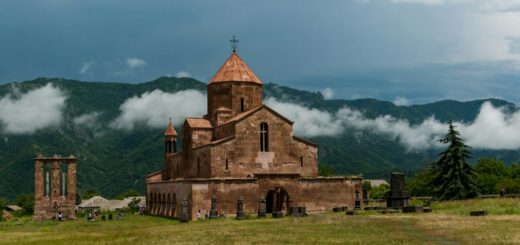
Armenia, the ancient landlocked nation of the South Caucasus, is a destination of extraordinary historical depth and natural beauty. The world’s oldest Christian nation, Armenia is home to medieval monasteries perched in dramatic mountain gorges, the ancient temple of Garni, the medieval cave city of Khndzoresk, and the spiritual heartland of Tatev, accessible by the world’s longest non-stop cable car. Yerevan, the “Pink City” built from locally quarried rose-tinted tuff stone, is a sophisticated capital with excellent restaurants, vibrant street life, and a burgeoning café culture.
Armenia has developed a growing tourist infrastructure and welcomes a steadily increasing number of visitors, particularly from Russia, France, Iran, the United States, and the Armenian diaspora. The people are warm and hospitable — Armenians are proud of their culture and history and genuinely delighted to share it with interested visitors. The country is generally safe for tourists, though several important geopolitical and logistical considerations must be understood before travelling.
The most critical safety note for any Armenia visitor is the border situation: the regions bordering Azerbaijan and the former Nagorno-Karabakh enclave (now fully under Azerbaijani control following the 2023 military operation) are extremely dangerous and must be avoided entirely. The Armenian-Turkish border remains closed. Travel to all other areas of Armenia is generally safe with standard precautions.
General Safety Overview
Armenia ranks as one of the safer countries in the South Caucasus for tourists. Violent crime against foreigners is uncommon, and Yerevan in particular is considered relatively safe for a capital city of its size. The US State Department advises Level 2 (exercise increased caution) for Armenia, primarily due to the risk of regional conflict near the borders with Azerbaijan. The UK FCDO advises against travel to areas within 5 kilometres of the Azerbaijani border.
Petty crime such as pickpocketing does occur in Yerevan, particularly in the Vernissage outdoor market, the GUM market, and around Republic Square. Bag snatching from vehicles at traffic lights has been reported. Street crime, including mugging, is relatively rare but not unknown in poorly lit areas of the capital at night. Overall, most visitors encounter no safety issues whatsoever.
Personal Safety and Crime Prevention
Exercise the same level of vigilance in Yerevan as you would in any European capital. The Vernissage market (a popular weekend market) and the Mashtots Park area attract crowds and some opportunistic theft. Public transport in Yerevan (marshrutkas — shared minibuses — and metro) sees occasional pickpocketing. The area around the central railway station warrants extra caution at night.
Political demonstrations, which have occurred periodically in Armenia since the 2018 Velvet Revolution and during tensions with Azerbaijan, can attract large crowds in Republic Square. While these are generally peaceful, they can escalate unpredictably; avoid them and monitor local media.
- Secure passports and valuables in your hotel safe; carry only copies of important documents.
- Keep bags zipped and close to your body in markets and on public transport.
- Avoid the area immediately around the central train station in Yerevan after dark.
- Do not engage with political protests or demonstrations.
- Keep a note of your embassy’s emergency contact number.
Transportation Safety
Road conditions in Armenia vary significantly. Main highways between Yerevan and major tourist sites (Garni, Geghard, Sevan) are generally good. However, many mountain roads are narrow, poorly surfaced, and lack safety barriers — conditions that require careful driving. Winter driving in mountainous areas is particularly hazardous due to snow and ice. The mountain road to Tatev and roads in the Lori and Syunik regions warrant special caution.
Taxi services in Yerevan are generally affordable but unmetered. The GG (GetTaxi) and Yandex Go apps are widely used, providing transparent, pre-agreed fares that eliminate overcharging risk. Marshrutkas (shared minivans) serve intercity routes and are cheap, though comfort is basic and driving standards can be erratic. Avoid unmarked taxis hailed from the street without agreeing on a price.
- Use GG or Yandex Go apps for taxis in Yerevan.
- Agree on a fare before entering any unmetered street taxi.
- Drive with extreme caution on mountain roads, especially in winter.
- Carry a paper map for remote areas where mobile signals are weak.
- Do not approach or attempt to cross the Azerbaijani border under any circumstances.
Health and Medical Safety
Healthcare in Armenia is basic by Western standards. Yerevan has several private hospitals and clinics (including Astghik Medical Centre and Erebouni Medical Centre) that provide reasonable care, but outside the capital medical facilities are very limited. Comprehensive travel insurance with medical evacuation cover is essential.
Tap water in Yerevan is officially considered safe to drink (it comes from mountain springs), but many visitors prefer to drink bottled water to avoid any risk of gastrointestinal upset from different mineral compositions. Outside the capital, drinking tap water is not recommended. Food safety at reputable restaurants is generally good; exercise caution with street food hygiene standards.
- Purchase comprehensive travel insurance including medical evacuation.
- Bring an adequate supply of prescription medications — many Western brands are unavailable.
- Bottled water is inexpensive and widely available; use it in rural areas.
- Pharmacies (apteka) are plentiful in Yerevan and stock common medications.
Natural Hazards
Armenia is located on a seismically active fault zone. The country experienced a devastating earthquake in Spitak in 1988, and minor tremors are not uncommon. Familiarise yourself with drop-cover-hold procedures and note emergency exits from your accommodation.
Mountain hiking in Armenia is spectacular but requires preparation. Trails are not always well marked, and sudden weather changes — including afternoon thunderstorms in summer — can catch hikers unprepared at altitude. The slopes of Mount Aragats (over 4,000 m) require proper equipment and experienced guidance. Always inform someone of your hiking plans and expected return time.
Digital and Financial Safety
The Armenian dram (AMD) is the currency. Cash is widely used, especially outside Yerevan. ATMs are available throughout the capital and in major towns; card acceptance is improving but not universal. Street money changers should be avoided — use licensed exchange offices or bank ATMs. ATM fraud is uncommon but not unknown; use machines in well-lit bank premises.
Internet connectivity in Yerevan is good, with widespread 4G coverage and fast hotel Wi-Fi. Coverage in mountainous and rural areas can be patchy. Local SIM cards (UCOM, VivaCell-MTS) are inexpensive and provide reasonable data coverage for the country’s main tourist circuit.
- Carry Armenian drams in cash, especially for travel outside Yerevan.
- Use licensed exchange offices or bank ATMs only.
- Notify your bank before travel to avoid card blocks.
- Download offline maps (Maps.me or Google Maps offline) for mountain areas.
Common Tourist Scams and How to Avoid Them
Armenia is not a country with a particularly aggressive scam culture towards tourists, but the following schemes have been reported by visitors, primarily in Yerevan and at tourist sites.
Taxi Overcharging
Unmetered taxis, particularly those near Zvartnots International Airport, Republic Square, and popular hotels, can charge foreigners several times the legitimate local fare. Drivers may claim a “fixed” tourist rate or conveniently claim the meter is broken.
How to Avoid: Use the GG or Yandex Go ride-hailing apps for all taxi journeys — fares are transparent and agreed before the ride. At the airport, pre-book a transfer or use the app. If using a street taxi, negotiate and agree on a specific dram price before entering the vehicle.
Unofficial Currency Exchange
Individuals near the Vernissage market or Republic Square offer attractive exchange rates. Scammers use sleight of hand, distraction, or rapid counting to return less money than agreed. Some pass off outdated Soviet-era banknotes or foreign currency of low value.
How to Avoid: Exchange currency only at licensed exchange offices (widely available throughout Yerevan) or at bank ATMs. Count every note carefully before leaving the counter.
Vernissage Market Counterfeit Goods
The Vernissage market is famous for Armenian crafts, carpets, and antiques — but counterfeit items, including fake “antique” silver, reproduced manuscripts, and low-quality carpets sold as premium products, are common. Vendors may also misrepresent the provenance of items.
How to Avoid: If purchasing carpets or antiques of significant value, use a reputable dealer and ask for written provenance documentation. Be sceptical of extraordinary claims about age or rarity. Compare prices across multiple stalls.
“Free” Wine or Brandy Tasting Upsell
In tourist areas near the Ararat Brandy Factory and some wine shops, what is presented as a free tasting experience transitions into heavy pressure to purchase expensive bottles, with the atmosphere becoming uncomfortable if visitors decline.
How to Avoid: Ask clearly before any tasting begins whether it is genuinely free and confirm there is no obligation to purchase. If you feel pressured, politely decline and leave.
Unofficial Guides at Monasteries and Sites
At popular sites like Geghard, Khor Virap, Noravank, and Tatev, unofficial individuals offer to guide you around the site and then demand disproportionate payment at the end of the tour.
How to Avoid: Hire guides only through the official site entrance or a licensed tour agency. Agree on total price in advance. Politely decline all unsolicited offers at site entrances.
Rigged or Unfair Gambling Games
Informal street games resembling three-card monte or shell games appear occasionally in tourist areas of Yerevan. The games are rigged and designed to extract money from participants who believe they have identified a pattern.
How to Avoid: Do not participate in any street gambling or shell game, regardless of how certain a win appears. These games are always fixed in favour of the operator.
Cultural Awareness and Etiquette
Armenia’s culture is deeply shaped by its ancient Christian heritage, traumatic 20th-century history (particularly the 1915 Genocide), and a strong sense of national identity and diaspora connection. Visitors should treat the subject of the Armenian Genocide with appropriate gravity and sensitivity — denial or minimisation of this event is deeply offensive to Armenians. The Genocide Memorial and Museum (Tsitsernakaberd) in Yerevan is a place of profound solemnity and should be visited with due respect.
Dress modestly when visiting churches and monasteries — shoulders and knees should be covered. Photography inside churches is often restricted; observe posted signs and ask permission if unsure. Armenians are exceptionally hospitable and may invite you to share a meal or a toast of homemade brandy (cognac). Refusing outright can cause offence; if you do not drink alcohol, a polite explanation is well understood.
- Dress modestly at all religious sites — carry a scarf or shawl.
- Approach discussions of the Armenian Genocide with sensitivity and respect.
- Accept offered hospitality graciously; a small refusal then acceptance is culturally appropriate.
- Tip 10% in restaurants — it is appreciated but not always expected.
- Photograph the countryside freely, but ask permission before photographing individuals.
Emergency Contacts
| Service | Number |
| Police | 102 |
| Ambulance | 103 |
| Fire | 101 |
| General Emergency | 112 |
Note: Emergency services may have limited English. Having the address of your location in Armenian (Armenian script) can significantly assist first responders.