How to Stay Safe in Andorra
Introduction
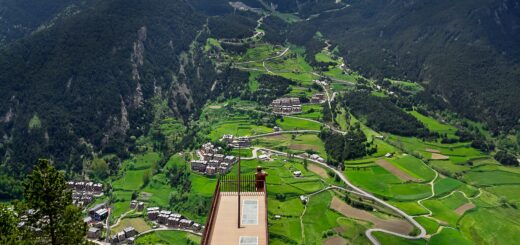
Andorra is a tiny, landlocked co-principality nestled high in the Pyrenees Mountains between France and Spain. Despite its small size — just 468 square kilometres — Andorra punches well above its weight as a tourist destination, attracting millions of visitors annually with its world-class ski resorts, duty-free shopping, dramatic mountain scenery, and status as one of Europe’s lowest-tax jurisdictions. The capital, Andorra la Vella, is the highest capital city in Europe and a bustling hub of commerce and tourism.
Andorra is one of the safest countries in Europe. There is no standing army, crime rates are extremely low, and tourists generally feel very secure throughout the principality. The main risks visitors face are not criminal but environmental — the mountain terrain, winter driving conditions, and altitude-related issues — along with a handful of commercial schemes that take advantage of tourist unfamiliarity with local pricing. The country has no border controls with France or Spain for EU citizens.
Andorra uses the euro and, while not an EU member, has adopted many EU standards in practice. Medical facilities are adequate, and the small size of the country means help is never far away. This guide provides an overview of what you need to know to stay safe and avoid the few pitfalls that do exist.
General Safety Overview
Andorra consistently ranks among the safest countries in the world. Violent crime is extremely rare, and tourists almost never encounter serious criminal activity. The Andorran Police Force (Cos de Policia d’Andorra) is small but effective, and the population of around 77,000 includes a high proportion of foreign residents accustomed to a cosmopolitan, law-abiding environment. Petty theft — while uncommon — can occur in crowded duty-free shopping areas, particularly during peak ski season when large numbers of visitors crowd commercial areas.
The main safety concerns in Andorra relate to the natural environment: ski and snowboard accidents on the slopes, mountain hiking hazards, and winter road conditions. The principality’s ski resorts — Grandvalira and Vallnord — are technically well maintained, but the terrain presents real risk for inexperienced or unequipped winter sports participants. Avalanche risk also exists in backcountry areas in winter.
Personal Safety and Crime Prevention
In the shopping districts of Andorra la Vella, particularly along the Meritxell commercial boulevard, visitors should maintain awareness of their belongings during busy periods. While muggings are virtually unheard of, occasional opportunistic bag theft and pickpocketing have been reported in the busiest commercial areas. Shopping centres during major sale periods attract large crowds that provide slight cover for petty thieves.
Overall, the personal safety environment in Andorra is excellent. Nightlife in Andorra la Vella and the resort villages is generally well supervised. Solo travellers, including women, typically report feeling very safe throughout the country.
- Keep bags zipped and close to your body in crowded shopping streets.
- Do not leave valuables in rental cars — theft from vehicles, while rare, does occur in ski resort car parks.
- Be aware of your surroundings in après-ski venues during peak season.
Transportation Safety
Andorra’s mountain roads are the main transport hazard. In winter, roads can be icy or snow-covered, and the steep, winding passes connecting valleys require significant driving experience in winter conditions. Snow chains are legally required on many roads in winter and are available for hire at petrol stations. The mountain roads CG-1 (France–Andorra) and CG-3 (Spain–Andorra) can close temporarily during and after heavy snowfall.
Andorra has no railway. The main towns are connected by a reliable bus network, and taxis are metered and regulated. Driving in Andorra requires a valid driving licence from your home country. Fuel is substantially cheaper in Andorra than in France or Spain due to tax differences, making petrol stations busy — especially on weekends when cross-border visitors stock up.
- Carry or rent snow chains if driving in Andorra between November and April.
- Check road conditions before driving over mountain passes in winter.
- Do not drive under the influence of alcohol after après-ski.
- Use metered, licensed taxis for in-country journeys.
- Pedestrian paths in ski resort villages can be very icy — wear boots with good grip.
Health and Medical Safety
Andorra has one main hospital, the Hospital Nostra Senyora de Meritxell in Escaldes-Engordany, which provides good quality general care and emergency services. For serious conditions, patients may be transferred to hospitals in Spain or France. Travel insurance is highly recommended, particularly for ski and winter sports, as helicopter mountain rescue and orthopaedic treatment following ski accidents can be extremely costly.
Altitude can be a consideration, as Andorra’s mountain villages sit at elevations up to around 2,400 metres. Most healthy visitors experience no issues, but those with heart or respiratory conditions should consult their doctor before travelling. Sunburn is a significant risk on ski slopes due to UV reflection from snow at altitude — high-SPF sunscreen and UV-protective eyewear are essential.
- Purchase travel insurance that explicitly covers winter sports and mountain rescue.
- Carry the European Health Insurance Card (EHIC) if you are an EU citizen — note it has limited utility in Andorra, which is not an EU member.
- Wear UV-protective sunglasses or goggles on ski slopes at all times.
- Apply SPF 50+ sunscreen on exposed skin, even on overcast days at altitude.
- Acclimatise gradually if you are arriving from sea level and plan vigorous activity.
Natural Hazards
The most significant natural hazard in Andorra is avalanche risk in backcountry and off-piste ski areas during and following heavy snowfall. Ski resorts post daily avalanche risk ratings, and off-piste skiers and snowboarders should check these before venturing beyond marked runs. The official Andorran avalanche forecast is available through the national meteorological service.
Summer hiking in the Pyrenees can also present hazards: afternoon thunderstorms are common at altitude from June through August, and exposed ridge trails become extremely dangerous in lightning. Always start long hikes early in the morning, carry adequate food and water, wear appropriate footwear, and have a paper map or downloaded offline map in case of no mobile signal.
Digital and Financial Safety
Andorra uses the euro. Card payments are widely accepted in hotels, restaurants, and shops. ATMs are plentiful in Andorra la Vella and resort villages. ATM fraud is extremely rare, but standard precautions (shielding your PIN, checking for unusual attachments on card readers) are always sensible.
Andorra’s tax-free status means electronic goods, alcohol, tobacco, and perfume are significantly cheaper than in France or Spain. Be aware that EU customs regulations impose strict limits on how much duty-free goods you can bring back into EU countries — exceeding these limits is a serious legal matter, and customs checks do occur at the Andorra–France and Andorra–Spain borders.
- Familiarise yourself with EU duty-free import limits before shopping.
- Keep receipts for all significant purchases in case of customs inspection.
- Shield your PIN at ATMs and card terminals as a matter of habit.
- Wi-Fi is widely available in hotels and cafes; use a VPN for sensitive transactions.
Common Tourist Scams and How to Avoid Them
Andorra is not a destination known for aggressive tourist scams. However, a few commercial practices can disadvantage uninformed visitors, particularly around the duty-free shopping market.
Inflated “Original Price” Discount Scams
Some electronics and luxury goods retailers prominently display a high “original price” crossed out with a seemingly large discount, creating the impression of enormous savings. The inflated original price may be fabricated or irrelevant to the actual market value of the product, and the “discounted” price may be no cheaper than equivalent items in neighbouring countries.
How to Avoid: Research the prices of specific items (electronics, watches, cameras) online before visiting Andorra. Compare prices across multiple shops in Andorra la Vella. Use price comparison apps on your smartphone. Do not be pressured into purchasing immediately by claims that a deal is limited or expiring.
Ski Equipment Rental Damage Claims
Some ski rental shops have been reported to charge customers for damage on equipment that was pre-existing or caused by normal wear. Given that customers are often unfamiliar with the equipment, these claims can be difficult to dispute.
How to Avoid: Before accepting any rental equipment, inspect it thoroughly and ask the shop to document any existing scratches, cracks, or damage in writing on your rental agreement. Photograph all equipment from multiple angles before leaving the shop. Keep your rental documentation until you have returned all equipment and received confirmation.
Accommodation “Peak Season” Price Surges
A small number of accommodation providers, particularly in resort villages near ski areas, significantly inflate prices during peak ski season (Christmas–New Year, February half-term) without clear advance disclosure of the nightly rate. Quoted prices may exclude compulsory extras such as resort fees or breakfast surcharges.
How to Avoid: Always confirm the total nightly rate, including all compulsory fees and taxes, before confirming any booking. Use established booking platforms that display total costs and have transparent review systems. Read reviews specifically mentioning value for money during peak season.
Counterfeit or Grey-Market Goods
Given Andorra’s reputation as a shopping haven for branded goods, a small number of less reputable vendors sell counterfeit or grey-market goods at prices that appear to offer significant savings on authentic products.
How to Avoid: Purchase electronics and branded luxury goods only from authorised dealers. Check that goods come with manufacturer warranties valid in your home country. Be sceptical of prices that seem dramatically lower than the going rate even by Andorran standards — if it seems too good to be true, it often is.
Overpriced “Tourist Menu” Restaurants
In heavily trafficked areas near the Meritxell shopping strip and at the entrances to ski resorts, some restaurants charge premium prices for mediocre food to captive tourist audiences. The prices may not be displayed clearly, and service charges may be added without disclosure.
How to Avoid: Always check that a menu with prices is displayed at the restaurant entrance before entering. Look for establishments slightly off the main tourist drag or in residential neighbourhoods where locals eat. Check prices on Google Maps or TripAdvisor before committing.
Cultural Awareness and Etiquette
Andorra is a bilingual country — Catalan is the official language, but Spanish and French are widely spoken, and English is commonly understood in tourist areas. Making even a minimal effort to use Catalan phrases (bon dia — good morning; gràcies — thank you) is warmly appreciated. The principality has a strong sense of national identity despite its small size, and residents take pride in their unique co-principality status.
The pace of life in Andorra combines Iberian and French cultural influences. Lunch is traditionally the main meal of the day and many smaller shops still close for two hours at midday. Tipping is not obligatory in Andorra (service is typically included) but rounding up the bill or leaving small change is appreciated for good service.
- Learn a few words of Catalan — it is warmly received.
- Respect mountain environment rules — stay on marked trails and do not disturb wildlife.
- Carry your passport or national ID card at all times — Andorra is not an EU member and border checks can occur.
Emergency Contacts
| Service | Number |
| Police | 110 |
| Ambulance | 116 |
| Fire | 118 |
| General Emergency | 112 |
Note: Emergency services in Andorra are efficient. The hospital is centrally located in Escaldes-Engordany. For mountain rescue, call 112.