How to Stay Safe in Afghanistan
1. Introduction & Travel Advisory
| ⚠ DO NOT TRAVEL: Afghanistan is rated DO NOT TRAVEL by virtually every Western government. The Taliban controls the country. There is an extreme risk of terrorism, kidnapping, armed conflict, and arbitrary detention. No travel insurance covers Afghanistan under current conditions for most nationalities. Embassies of Western countries are closed or operating at minimal capacity. |
Afghanistan has experienced continuous armed conflict for over four decades. Since the Taliban takeover in August 2021, the security situation has fundamentally changed. International forces have withdrawn, the former government has collapsed, and the Taliban now administers the country under a strict interpretation of Islamic law. For the rare traveller who must visit — journalists, aid workers, or those with compelling humanitarian reasons — this guide provides critical safety intelligence.
The country borders Pakistan, Iran, Turkmenistan, Uzbekistan, Tajikistan, and China. Major cities include Kabul, Kandahar, Herat, Mazar-i-Sharif, and Jalalabad. The terrain is largely mountainous, making evacuation and emergency response extremely difficult.
2. Security Landscape
2.1 Political Situation
The Islamic Emirate of Afghanistan (Taliban) controls all major cities and most of the country. The National Resistance Front operates in limited areas of Panjshir and Baghlan provinces. ISIS-Khorasan Province (ISIS-K) remains an active threat, conducting regular bombings in urban areas, particularly targeting Shia mosques, schools, and public gatherings. The Taliban itself carries out executions, floggings, and arbitrary detentions of those it deems in violation of its interpretation of Islamic law.
| ⚠ ISIS-K Threat: ISIS-K actively targets crowded areas, mosques (especially Shia), government buildings, and foreign nationals. Multiple large-scale bombings have killed hundreds of civilians since 2021. Avoid all public gatherings. |
2.2 Kidnapping
Afghanistan has one of the world’s highest kidnapping rates for foreign nationals. Hostages are held for ransom or used as political bargaining chips. Kidnapping gangs operate independently of the Taliban and ISIS-K. Aid workers, journalists, and businesspeople are primary targets. The Haqqani Network, allied with the Taliban, has a long history of holding Western hostages.
| ⚠ Kidnap Risk: Never travel without an experienced, vetted local security team. Vary routes daily, avoid predictable routines, and use low-profile vehicles. Inform your embassy of your movements if any embassy remains operational. |
2.3 Terrorism
Suicide bombings, vehicle-borne IEDs, and targeted assassinations occur regularly. Kabul, Kandahar, Jalalabad, and Mazar-i-Sharif experience the highest frequency. Hotel attacks targeting foreigners have occurred historically. The Intercontinental Hotel attack (2018) and the Serena Hotel bombing are examples of high-profile strikes on facilities used by foreigners.
3. Safe vs. Unsafe Areas
| ⚠ No Safe Areas: There are no areas of Afghanistan that can be considered safe for foreign tourists. Even relatively calmer regions can experience sudden deterioration. |
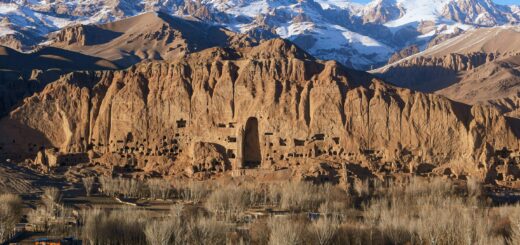
Relatively lower-risk areas (still dangerous): Bamyan province is historically quieter but still sees incidents. Northern provinces near Uzbekistan/Tajikistan borders have somewhat lower Taliban presence in remote areas. Herat city has better infrastructure but still experiences ISIS-K attacks.
Extremely high-risk areas: Kandahar, Helmand, Nangarhar (Jalalabad), Kunar, Nuristan — historic insurgent strongholds with frequent combat. The Afghanistan-Pakistan border regions (especially Torkham and Spin Boldak crossings) are extremely dangerous with smuggling gangs and insurgent checkpoints.
4. Entry & Documentation
The Taliban issues visas through its embassies in limited countries (Pakistan, Russia, China, UAE). Most Western passports have no consular support. Carry multiple photocopies of all documents. Register with your government’s travel registry if any service remains available. Journalists must obtain Taliban media accreditation through the Ministry for Information and Culture.
| ⚠ Dual Nationals: Afghan-nationals holding dual citizenship with Western countries face particular risks of detention. The Taliban does not recognise dual nationality. |
5. Transportation Safety
5.1 Road Travel
Road travel is extremely dangerous throughout Afghanistan. IEDs are planted on major highways, particularly the Kabul-Kandahar highway (Highway 1), Kabul-Jalalabad road, and Kabul-Mazar highway. Taliban checkpoints are ubiquitous — always carry your identification and Taliban-issued travel documents. Do not travel at night under any circumstances. Use experienced local drivers who know checkpoint protocols.
| ⚠ Highway IEDs: The Kabul-Kandahar Highway (Highway 1) has historically been one of the most IED-laden roads in the world. Convoy travel is recommended even for short distances. |
5.2 Air Travel
Kabul International Airport (Hamid Karzai International) operates limited commercial flights. Kam Air and Afghan airlines operate domestically. Ariana Afghan Airlines operates some international routes. The airport perimeter has been the site of attacks. Arrive early, maintain situational awareness in the terminal, and avoid lingering in public areas outside security.
5.3 Checkpoints
Taliban checkpoints are everywhere. Stop immediately, keep hands visible, and let your local fixer or driver handle all communication. Do not film or photograph checkpoints. Do not argue. Carry printed copies of any travel authorisations. Dress conservatively — foreigners should consult with experienced local guides on appropriate dress.
6. Health & Medical
Medical facilities in Afghanistan are extremely limited and frequently lack basic supplies. Kabul has a small number of hospitals, but standards fall far below international norms. Emergency evacuation is the only reliable option for serious medical conditions. Ensure you have medical evacuation insurance that explicitly covers Afghanistan — most standard policies exclude it.
| ⚠ Medical Evacuation: Contract with a specialist medical evacuation company (e.g., SOS International, AirMed) before travel. Carry a comprehensive first aid kit and any prescription medications in sufficient quantity. |
Disease risks include: cholera (water-borne — use only bottled water), typhoid, hepatitis A and B, malaria (in lower-elevation areas, spring–autumn), leishmaniasis (sandfly-borne), and COVID-19. Altitude sickness is a risk in the Hindu Kush mountains above 3,000m. Carry acetazolamide if visiting high-altitude areas.
| ✔ Vaccinations: Ensure you are current on hepatitis A, hepatitis B, typhoid, rabies (pre-exposure), tetanus-diphtheria-pertussis, meningococcal, and yellow fever (if arriving from endemic countries). |
7. Legal & Cultural Considerations
7.1 Taliban Law
The Taliban enforces its interpretation of Islamic law (Sharia). Women must be accompanied by a male guardian (mahram) in public and must wear the hijab (full face covering strongly enforced). Music, mixed-gender gatherings, and alcohol are strictly prohibited. Non-Muslims should dress conservatively — men in long trousers and long-sleeved shirts; women in full coverings. Photography of women, government buildings, military, and checkpoints is strictly forbidden.
| ⚠ Photography Restrictions: Taliban fighters have confiscated cameras and phones and detained photographers. Never photograph people, especially women, without explicit permission. Never photograph any military or government installation. |
7.2 Religious Practices
Respect prayer times — businesses close for salat five times daily. During Ramadan, do not eat, drink, or smoke in public during daylight hours. Greet with ‘As-salamu alaykum’ and respond ‘Wa alaykum as-salam.’ Remove shoes before entering homes and mosques.
8. Common Scams & Threats
| Scam Name | How It Works | How to Avoid It |
| Fake Taliban Officials | Criminals impersonating Taliban fighters demand money or valuables at unofficial checkpoints. | Verify checkpoints with your local fixer. Legitimate checkpoints are manned by uniformed fighters at established locations. Never hand over your passport. |
| Extortion by Guards | Security guards at guesthouses or offices demand payment for ‘protection’ beyond agreed rates. | Agree all fees in advance in writing. Use established, vetted guesthouses recommended by your organisation. |
| Money Exchange Fraud | Street money changers offer favourable rates then use sleight of hand to shortchange. | Use established hawala dealers vetted by your local organisation. Count money carefully. |
| Kidnap-for-Ransom Setup | Individuals posing as friendly locals gather information about your identity, movements, and organisation to sell to kidnappers. | Maintain strict information security. Never share your travel plans, employer, or accommodation with strangers. |
| Fake Guides | Individuals claim to be licensed guides to historic sites such as Bamiyan, then demand large fees or facilitate theft. | Use only guides vetted by your organisation or international NGO network. |
| Drug Entrapment | Someone plants drugs on a traveller or in luggage and then reports them to Taliban authorities. | Never accept packages from strangers. Keep luggage secured at all times. |
| SIM Card Fraud | Vendors sell SIM cards that are registered to others, creating legal liability. | Obtain SIM cards only from official Afghan Telecom or Roshan offices with proper registration. |
| Fuel & Supply Scams | Drivers or suppliers inflate prices significantly for foreign organisations. | Use established supply chains and agreed rates. Get multiple quotes. |
9. Emergency Contacts
| Service | Number / Details |
| Afghan Emergency Police | 119 |
| Afghan Ambulance | 112 |
| Fire Service | 101 |
| Aga Khan Health Services | +93 20 220 4156 |
| ICRC Afghanistan | +93 20 220 2533 |
| OCHA Afghanistan | +93 20 220 2552 |
| UN Security (UNDSS) | Contact through your UN agency |
| US Embassy (Doha operations) | +1 202 501 4444 (Washington) |
| UK FCDO 24hr helpline | +44 20 7008 5000 |
| International SOS | +44 20 8762 8008 |
10. Safety Checklist
- Register with your government’s travel advisory service before departure
- Obtain Taliban entry permissions and media/work accreditation if required
- Contract with a specialist security firm with Afghanistan experience
- Arrange comprehensive medical evacuation insurance explicitly covering Afghanistan
- Carry sufficient prescription medications and a full first aid kit
- Vary your daily routes and never establish predictable patterns
- Keep a low profile — use unmarked vehicles, avoid conspicuous clothing
- Carry multiple copies of all identification and travel documents
- Establish a regular check-in schedule with a trusted contact outside Afghanistan
- Know your organisation’s emergency evacuation procedure and rally points
- Dress in accordance with Taliban requirements at all times
- Never travel after dark under any circumstances
- Maintain a satellite phone or emergency communication device
- Brief your local staff on security protocols and emergency contacts
- Identify the nearest safe haven, evacuation route, and assembly point