How to Stay Safe in Kuwait
1. Introduction
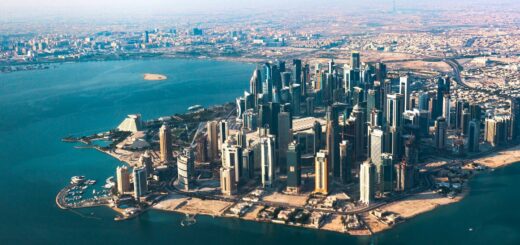
Kuwait is a small, oil-rich constitutional emirate on the Persian Gulf, bordered by Iraq to the north and Saudi Arabia to the south. While not traditionally a major tourist destination, Kuwait offers a fascinating blend of ancient and ultra-modern — from the historic Friday Market and the towers of Kuwait City’s skyline to the cultural riches of the Kuwait National Museum and the Sadu House (Bedouin weaving heritage). Kuwait is one of the wealthiest countries in the world per capita and has invested heavily in infrastructure and cultural development.
The capital is Kuwait City. The currency is the Kuwaiti Dinar (KWD — the world’s highest-valued currency: 1 KWD = approximately USD 3.26). The official language is Arabic, with English very widely spoken. The population is approximately 4.8 million, of which about 70% are expatriates.
| TIP — Overall Safety: Kuwait is considered very safe for tourists and expatriates. Crime rates are low. The main concerns are traffic safety, extreme heat, and navigating Islamic cultural norms. |
2. Security Landscape
2.1 Regional Context
Kuwait was invaded by Iraq in 1990 and liberated by coalition forces in 1991 (Gulf War). The border with Iraq remains a sensitive area, and unexploded ordnance from the 1991 war has been found in the Kuwaiti desert (Wadi Al-Batin area, Mina Saud). The country maintains significant US military presence (Camp Arifjan, Ali Al Salem Air Base) — these installations are targets for regional anti-Western sentiment, though direct threats to civilian tourists are extremely rare.
Kuwait has a significant Shia minority (20-25% of the population) and historically has maintained better Sunni-Shia relations than some Gulf neighbours. The threat from terrorism (ISIS-affiliated, Al-Qaeda) is present but low — Kuwait experienced the June 2015 mosque bombing (27 dead). Since then, counter-terrorism measures have been strengthened.
2.2 Crime
Kuwait has very low crime rates. Petty theft, pickpocketing, and scams are rare by global standards. Traffic accidents are the most significant safety risk for visitors. Harassment of women, particularly in less-frequented areas, does occur.
3. Safe & Unsafe Areas
| TIP — Safe Areas: Kuwait City, Salmiya (restaurant district), Hawalli, Jabriya, Fintas, Fahaheel, Ahmadi (oil town), Kuwait Scientific Centre, The Avenues Mall — all safe for tourists. |
| WARNING — Northern Border: The area near the Iraqi border (north of Kuwait — Abdali border post, Wadi Al-Batin) should be avoided by tourists. UXO from the 1991 Gulf War may still be present in desert areas. Never drive off designated roads in the Kuwaiti desert in the north. |
4. Transportation
Kuwait International Airport receives major international carriers. Taxis are available but not all are metered — negotiate fares or use Careem/Uber apps (both operate in Kuwait City). The public bus network exists but is used primarily by low-income workers. Car rental is practical for exploring Kuwait — roads are wide and well-maintained. Traffic drives on the right. Kuwait City has notoriously fast and aggressive driving culture — highway speeds regularly exceed posted limits.
| WARNING — Traffic Safety: Kuwait has one of the highest road accident rates in the Gulf. Speeding, tailgating, and reckless driving are common. Drive defensively. Wear seatbelts — mandatory by law. Do not use mobile phones while driving. Drunk driving is illegal and heavily penalised (though alcohol is banned, drug-impaired driving occurs). |
5. Health & Medical
Kuwait has good medical facilities with both public and private hospitals. Al-Amiri Hospital, Mubarak Al-Kabeer Hospital, and private hospitals (American Hospital Kuwait, Royale Hayat Hospital) offer quality care. English-speaking staff are common. Travel health insurance is recommended.
The main health risk is extreme heat — Kuwait summers (June-September) frequently reach 50°C, with some of the world’s highest recorded temperatures. Heat stroke is a serious risk. Carry water, avoid outdoor activity during midday hours, and air-condition your accommodation. Dust storms and sandstorms occur spring and summer — stay indoors and use N95 masks if caught outside.
| WARNING — Summer Heat: Kuwait’s summer heat is among the world’s most extreme. Do not leave children or pets in parked vehicles. Stay hydrated with at least 3-4 litres of water daily. Wear loose, light-coloured clothing. The safest time to visit Kuwait is October-March. |
6. Legal & Religious Laws
| WARNING — Alcohol Prohibition: Kuwait is a dry country — alcohol is completely prohibited. There are no exceptions for tourists, hotels, or licensed venues. Bringing alcohol into Kuwait (including via checked luggage) is illegal and results in confiscation and possible arrest. Do not attempt to bring alcohol into the country. |
Dress modestly in public — shorts and sleeveless tops are acceptable in malls and tourist areas but dress conservatively in mosques, government buildings, and traditional markets. Photography of women, particularly Kuwaiti women, without permission is highly inappropriate. Do not photograph government buildings, the Emir’s palaces, military installations, or oil infrastructure. During Ramadan, eating, drinking, or smoking in public during daylight hours is illegal for everyone.
| WARNING — Drug Laws: Drug possession and trafficking carry extremely severe penalties in Kuwait, including execution. Zero tolerance applies. |
7. Common Scams & Threats
| Scam Name | How It Works | How to Avoid It |
| Taxi Overcharging | Unmetered taxis charge tourists significantly above standard rates, particularly from Kuwait Airport. | Use Careem or Uber apps. Negotiate and agree all taxi fares before departure if not using apps. |
| Souvenir Overpricing | Tourist-oriented shops in the Friday Market and Grand Mosque area inflate prices for foreign visitors. | Research market prices. Bargaining is expected in traditional markets. |
| Rental Car Damage Claims | Rental companies claim pre-existing damage at return. | Photograph and video the vehicle thoroughly before driving. Ensure damage report is signed. |
| Fake Currency | Counterfeit Kuwaiti Dinars are rare but occasionally circulated. | Examine KWD notes carefully. Exchange only at official banks. |
| Photography Harassment | Police can challenge tourists photographing sensitive sites. | Strictly avoid all official buildings, oil facilities, and military installations with your camera. |
| Investment Scams | Business contacts may propose investment deals that are fraudulent. | Seek legal advice before any commercial transaction. Use registered law firms. |
8. Emergency Contacts
| Service | Number / Details |
| Police Emergency | 112 |
| Ambulance | 112 |
| Fire Service | 112 |
| Coastguard | 1884 |
| Kuwait Tourism | +965 2243 8700 |
| Al-Amiri Hospital Kuwait City | +965 2245 0005 |
| American Hospital Kuwait | +965 2224 5599 |
| UK Embassy Kuwait City | +965 2259 4320 |
| US Embassy Kuwait City | +965 2259 1001 |
| Indian Embassy Kuwait | +965 2253 0600 |
9. Safety Checklist
- Do not bring alcohol into Kuwait under any circumstances
- Visit October-March for comfortable temperatures — avoid June-September
- Carry 3-4 litres of water daily during outdoor activities
- Use Careem or Uber apps for transport
- Drive defensively — Kuwaiti traffic is fast and aggressive
- Dress modestly in public spaces, particularly government and religious sites
- Do not photograph women, government buildings, military, or oil infrastructure
- Purchase travel health insurance
- Register with your embassy’s travel registry before arrival
- Carry any prescription medications with a doctor’s letter
- Check medication legality — some substances legal elsewhere are controlled in Kuwait
- Be aware of Ramadan dining restrictions if visiting during that period