How to Stay Safe in Kazakhstan
1. Introduction
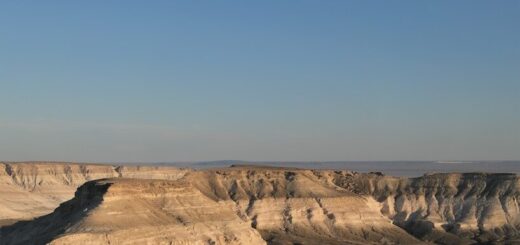
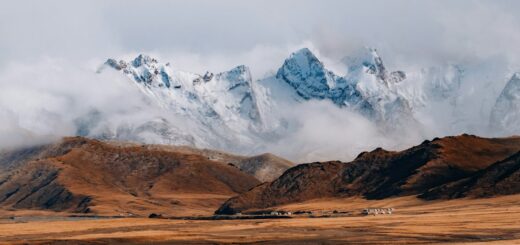
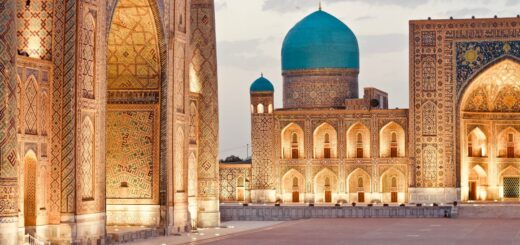
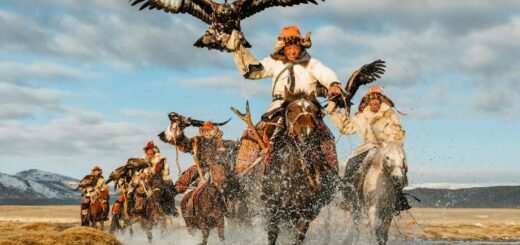
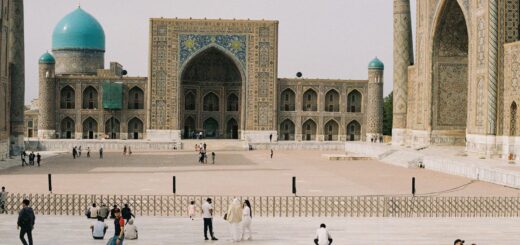
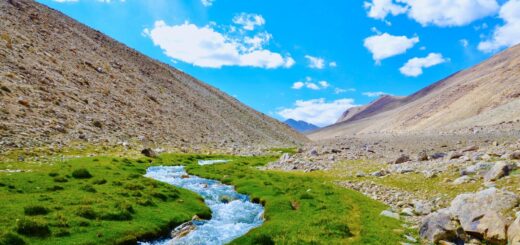
Kazakhstan is the world’s ninth-largest country — a vast Central Asian republic of sweeping steppes, dramatic mountain ranges (Tian Shan, Altai), ancient Silk Road cities (Turkestan, Shymkent), the futuristic capital Nur-Sultan (Astana), and the cosmopolitan former capital Almaty. Kazakhstan is an increasingly accessible destination for adventure travellers and those interested in Silk Road history, nomadic culture, and Soviet-era architecture.
Kazakhstan borders Russia (north), China (east), Kyrgyzstan, Uzbekistan, and Turkmenistan (south), with coastline on the Caspian Sea (west). The capital is Astana (formerly Nur-Sultan). The currency is the Kazakhstani Tenge (KZT). The population is approximately 20 million. The official languages are Kazakh and Russian.
| TIP — Overall Safety: Kazakhstan is generally safe for tourists with low violent crime rates. The main concerns are petty crime in urban areas, road safety, and navigating bureaucratic requirements for registration. Remote areas present logistical challenges. |
2. Security Landscape
2.1 Crime
Violent crime against tourists is uncommon but does occur, particularly in Almaty. Petty theft, pickpocketing, and mugging (especially after dark) are the main concerns. Taxi fraud is widespread. The Zheltoksan bazaar area in Almaty and crowded public transport are higher-risk for pickpocketing. Drink-spiking in bars and clubs has been reported.
| WARNING — Drink Spiking: Reports of drinks being spiked in bars and nightclubs in Almaty, typically leading to robbery. Never leave your drink unattended. Travel with trusted companions in nightlife areas. Ensure your accommodation knows your location. |
2.2 Political Context
Kazakhstan experienced significant unrest in January 2022 (fuel price protests that escalated into violent confrontations with security forces, killing 238 people). The government stabilised the situation with Russian assistance. The country is politically stable under President Kassym-Jomart Tokayev but political dissent is suppressed. Avoid protests and political demonstrations.
2.3 Border Areas
Kazakhstan’s border with Russia generally functions normally. The border with China (particularly the Khorgos crossing) is well-managed. Remote border areas with Kyrgyzstan and Uzbekistan in the south include some poorly demarcated zones with security risks — use official border crossings only.
3. Safe & Unsafe Areas
| TIP — Safe for Tourists: Almaty (city centre, Medeu, Shymbulak ski resort), Astana (Nur-Sultan), Turkestan (ancient mausoleum), Shymkent, Charyn Canyon, Big Almaty Lake — all generally safe for tourists with standard precautions. |
| WARNING — Exercise Caution: Remote steppe areas without mobile coverage. Areas near the Baikonur Cosmodrome (restricted zone). Some former Soviet nuclear test sites in Semipalatinsk (Semey) area — remnant radiation and unexploded ordnance. The Semipalatinsk Polygon area should be visited only with experienced guides who know safe access routes. |
4. Transportation
Almaty International Airport and Astana International Airport are the main hubs. Domestic flights connect major cities. Kazakhstan is enormous — flying is recommended for long-distance travel. Road quality varies significantly from good highways near Almaty and Astana to unpaved tracks in the steppe and mountains. Four-wheel drive is essential for any off-road exploration. The Almaty metro is clean and efficient. Taxis via Yandex Go, inDrive, or Bolt apps are the safest option in cities.
| WARNING — Road Safety: Road accidents are frequent in Kazakhstan, particularly on inter-city highways. Drivers can be aggressive. Night driving outside cities is hazardous due to unlit vehicles, livestock on roads, and poor road surfaces. Avoid road travel after dark. |
5. Health & Medical
Medical facilities in Almaty and Astana meet reasonable standards in private hospitals (Central Clinical Hospital, MedCity, KazUMSA hospitals). Outside major cities, facilities are very basic. Medical evacuation insurance is strongly recommended for remote travel.
Key health risks: tick-borne encephalitis (forested mountain areas, spring-summer — wear tick repellent and check for ticks after outdoor activities); brucellosis (from raw meat or unpasteurised dairy — avoid raw dairy products); extreme cold (Astana is one of the world’s coldest capitals, with winter temperatures reaching -40°C); altitude sickness (Tian Shan mountains exceed 7,000m).
6. Common Scams & Threats
| Scam Name | How It Works | How to Avoid It |
| Taxi Overcharging | Street taxis and airport taxis charge tourists 3-5x normal rates. | Use Yandex Go, inDrive, or Bolt apps for transparent pricing. Airport to Almaty city: KZT 2,000-4,000. |
| Police Bribery Demand | Police stop tourists (especially drivers) and demand payment for alleged minor violations. | Ask for an official ticket (protokol) if fined. Refusing to pay a bribe is legally correct. Contact your embassy if pressure is severe. |
| Currency Exchange Fraud | Unofficial changers at tourist areas short-change or use rigged equipment. | Use official bank exchange offices or ATMs. Kazakhstan has many reputable exchange offices in Almaty. |
| Fake Tour Operators | Operators for remote steppe and mountain tours take full payment then fail to deliver. | Use operators with verified reviews and domestic legal registration. Book through established platforms. |
| Overcharging at Medeu/Shymbulak | Vendors near Almaty’s ski resort and Medeu ice rink quote inflated prices to foreign tourists. | Research prices online before visiting. Most entry fees are fixed and posted. |
| Property Rental Fraud | Short-term rental listings are fraudulent — apartment shown is not the one received. | Book through established platforms. Verify with video call before paying. |
7. Legal Considerations
Kazakhstan requires foreigners to register with the police within 5 days of arrival. Hotels do this automatically. If staying in private accommodation (Airbnb, with locals), you must register at the nearest migration police office. Failure to register can result in fines at departure. Drug laws are strict. Photography of military installations, government buildings, and airports is prohibited.
8. Emergency Contacts
| Service | Number / Details |
| Police Emergency | 102 |
| Ambulance | 103 |
| Fire Service | 101 |
| Emergency Number | 112 |
| Tourist Helpline | +7 727 258 0093 |
| Central Clinical Hospital Almaty | +7 727 292 7111 |
| MedCity Almaty | +7 727 344 3003 |
| UK Embassy Astana | +7 7172 55 6200 |
| US Embassy Astana | +7 7172 70 2100 |
| Russian Embassy (for Russian speakers) | +7 7172 23 2501 |
9. Safety Checklist
- Register with migration police within 5 days if not staying in a hotel
- Use Yandex Go or Bolt for all taxi travel
- Avoid road travel after dark — road safety is poor outside cities
- Carry tick repellent for mountain forested areas (spring-summer)
- Avoid raw dairy products — brucellosis risk
- Pack extreme cold weather gear if visiting November-March (Astana -40°C)
- Purchase travel health insurance including medical evacuation
- Use only authorised money changers or bank ATMs
- Do not photograph government buildings, military, or airports
- Register with your embassy’s travel registry