How to Stay Safe in Japan
1. Introduction
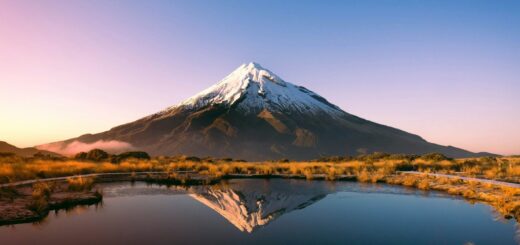
Japan is consistently ranked as one of the world’s safest and most rewarding travel destinations. A country of extraordinary contrasts — ancient imperial capitals (Kyoto, Nara) alongside hyper-modern megacities (Tokyo, Osaka); world-class cuisine from Michelin-starred restaurants to convenience store onigiri; dramatic natural beauty from Mount Fuji to the bamboo groves of Arashiyama; distinctive pop culture, ancient samurai traditions, and Buddhist temples — Japan offers an unparalleled depth of experience for visitors.
Japan is an archipelago of approximately 6,800 islands. The capital and largest city is Tokyo (population: 13.9 million city, 37 million metro area — the world’s largest metropolitan area). The currency is the Japanese Yen (JPY). The official language is Japanese. English is increasingly spoken in tourist areas and transportation hubs.
| TIP — Overall Safety: Japan consistently ranks as one of the world’s safest countries. Violent crime rates are extraordinarily low. Lost wallets are routinely returned. The principal hazards are natural disasters (earthquakes, tsunamis, typhoons) rather than human threats. |
2. Security Landscape
2.1 Crime
Japan’s crime rates are among the world’s lowest. Violent crime against tourists is extremely rare. Lost property is almost always handed in to police (koban). The main crime risks are: pickpocketing on crowded trains and in tourist areas (Shibuya, Shinjuku, Asakusa) during peak tourist seasons; occasional theft in tourist-heavy accommodation; drink-spiking at bars and entertainment districts (Kabukicho in Shinjuku, Dotonbori in Osaka). The biggest risks for tourists in Japan are natural disasters and traffic accidents, not crime.
2.2 Natural Disasters
| WARNING — Earthquakes: Japan experiences thousands of earthquakes annually — most are imperceptible, but major earthquakes (Tohoku 2011, Kobe 1995, Kumamoto 2016) have caused massive casualties. All buildings constructed since 1981 meet modern earthquake resistance standards. When an earthquake strikes: drop, cover, hold on; do not run outside during shaking; after shaking stops, move away from buildings if outdoors. Japan’s earthquake early warning system (EEW) sends alerts to all mobile phones — you will hear a distinctive alarm before the shaking arrives. |
| WARNING — Tsunamis: If you are on Japan’s Pacific coast and experience a major earthquake, move immediately to high ground — do not wait for an official tsunami warning. Japan has clear tsunami evacuation routes marked with signs. |
| WARNING — Typhoons: Typhoon season runs June-October, with peak activity in August-September. Typhoons can disrupt transport significantly — flights and Shinkansen services are cancelled. Storms bring extreme rainfall, flooding, and high winds. Monitor the Japan Meteorological Agency (JMA) forecasts. |
3. Safe Areas
| TIP — All Major Tourist Areas Safe: Tokyo, Kyoto, Osaka, Hiroshima, Nara, Hakone, Nikko, Hokkaido, Okinawa — all are extremely safe for tourists. Japan has effectively no unsafe areas for tourists due to human threats. The exceptions are natural disaster-affected areas (check JMA volcanic and earthquake alerts for specific regions). |
Note: Volcanic areas such as Mount Ontake (eruption 2014, 63 dead) and Mount Aso in Kyushu require monitoring of volcanic alert levels before approaching summit areas. Check the Japan Meteorological Agency volcanic alert levels before hiking near any active volcano.
4. Transportation
4.1 Shinkansen (Bullet Train)
Japan’s Shinkansen network is the world’s most reliable high-speed rail system. The Japan Rail Pass (JR Pass) offers unlimited Shinkansen travel for foreign tourists — highly recommended. Purchase before arrival (it cannot be bought in Japan). Shinkansen connects Tokyo to Kyoto (2h 15m), Tokyo to Osaka (2h 30m), Tokyo to Hiroshima (4h), Tokyo to Sapporo (5h).
4.2 Urban Transport
Tokyo’s metro is a masterpiece of urban transport — 13 lines serving virtually every neighbourhood. Buy a Suica or Pasmo IC card (rechargeable, accepted on all trains, buses, and in many convenience stores) from any JR ticket machine on arrival at Narita or Haneda airports. Taxis in Japan are metered, clean, and reliable — expensive by global standards. Uber operates in major cities but is less common.
5. Health & Medical
Japan has excellent medical facilities throughout the country. Major hospitals in Tokyo, Osaka, and Kyoto have English-speaking staff or interpretation services. The main concern is ensuring you have travel insurance — medical costs in Japan are not unreasonable but procedures for uninsured foreigners can be complex. Japan National Tourism Organization (JNTO) maintains a medical assistance service for tourists.
No vaccinations are specifically required for Japan beyond routine ones. The heat and humidity of Japanese summers (July-August) can cause heat exhaustion — drink adequate water. Carry hay fever medication if sensitive to Japanese cedar pollen (peaks February-April). Pharmacies (yakkyoku/drugstore) are everywhere in Japan and well-stocked.
6. Common Scams & Threats
| Scam Name | How It Works | How to Avoid It |
| Kabukicho Bar Scams (Tokyo) | Attractive hosts/hostesses in Shinjuku’s Kabukicho district invite tourists to bars where ‘free entry’ leads to astronomical bills for drinks served to hosts. | Avoid entering any bar you are invited to on the street. Only enter bars/clubs independently after researching them online. |
| Overpriced Taxi Rides | On rare occasions, taxis take long routes to tourist destinations. More commonly tourists use taxis when cheaper options exist. | Use the train system for most journeys. Taxis are metered and generally honest but relatively expensive. Use Google Maps to verify the route. |
| Counterfeit Goods | Fake designer goods are occasionally sold in tourist markets but are rare by Asian standards. | Purchase souvenirs from established shops. Tokyo’s Ameyoko market is legitimate; price points reflect quality. |
| Wi-Fi Rental Fraud | Some unofficial Wi-Fi device rentals at airports are overpriced or have hidden charges. | Rent pocket Wi-Fi from established companies (Ninja WiFi, Japan Wireless) booked online before arrival, or purchase a tourist SIM. |
| Vending Machine Currency | Rare — but coin manipulation near some older vending machines. | Use card or correct change. Report suspicious machines to staff. |
| Temple Entry Fees | In heavily touristed Kyoto, private temples may charge high entry fees not listed online. | Research entry fees before visiting. Popular temples (Kinkakuji, Fushimi Inari free, Arashiyama Sagano requires fees) have published prices. |
| Photo Scam | In tourist areas, individuals take tourists’ photographs and then demand payment. | Be clear when accepting help with a photo whether a fee is expected — this is rare in Japan. |
| Earthquake Aftershock Panic Selling | After earthquakes, individuals may claim essential safety items are required. | Purchase safety supplies from official retailers only. Don’t panic-buy from street sellers. |
7. Legal & Cultural Considerations
Japan has strict drug laws — even small quantities of marijuana carry heavy prison sentences (5-7 years). Many medications legal in other countries are illegal in Japan (certain cold medicines containing pseudoephedrine, some ADHD medications, certain inhalers) — check the Ministry of Health, Labour and Welfare (MHLW) permitted list before travel and carry a prescription and doctor’s letter for any medications.
Tattoos remain socially sensitive in Japan — many onsen (hot spring baths) and public swimming pools prohibit tattooed individuals from entering, due to historical association with organised crime (yakuza). Some tattoo-friendly onsen exist — research before visiting. LGBTQ+ rights are improving but same-sex relationships are not legally recognised at the national level; major cities (Tokyo, Osaka) are generally LGBTQ+-friendly.
| TIP — Cultural Tips: Remove shoes before entering homes, traditional ryokan guesthouses, and many restaurants with tatami flooring. Do not eat or drink while walking. Do not tip — tipping is not customary in Japan and can cause embarrassment. Speak quietly on trains and public transport. Do not use your phone on calls on trains. |
8. Emergency Contacts
| Service | Number / Details |
| Police Emergency | 110 |
| Ambulance / Fire | 119 |
| Japan Visitor Hotline | 050-3816-2787 (24hr, multilingual) |
| Coast Guard Emergency | 118 |
| Tokyo English Lifeline | 03-5774-0992 |
| St. Luke’s International Hospital Tokyo | +81 3 5550 7166 |
| UK Embassy Tokyo | +81 3 5211 1100 |
| US Embassy Tokyo | +81 3 3224 5000 |
| Australian Embassy Tokyo | +81 3 5232 4111 |
| JMA Volcanic Alert Info | jma.go.jp |
9. Safety Checklist
- Download Japan’s disaster alert app (Safety Tips) before arrival
- Purchase a JR Pass before arriving in Japan for Shinkansen travel
- Buy a Suica or Pasmo card on arrival for seamless metro travel
- Check volcanic alert levels before approaching any active volcano
- Know the earthquake response: Drop-Cover-Hold
- If on the Pacific coast after a major earthquake, move to high ground immediately
- Monitor JMA typhoon forecasts June-October
- Check medications against the Japanese MHLW permitted list
- Research tattoo policies before booking onsen
- Avoid Kabukicho host/hostess bars and all establishments you were invited to on the street
- Purchase travel health insurance before arrival
- Register with your embassy’s travel registry