How to Stay Safe in Iran
1. Introduction
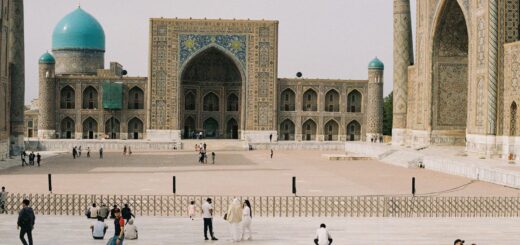
Iran is one of the world’s great civilisational destinations — home to the ancient Persian Empire, UNESCO World Heritage cities of Persepolis, Isfahan, Shiraz, and Yazd, the stunning Islamic architecture of blue-tiled mosques and bazaars, and one of the world’s oldest and most sophisticated cultures. Despite significant geopolitical tensions and a complex regulatory environment, Iran has been increasingly visited by adventurous independent travellers who consistently report warmth and hospitality from the Iranian people.
Iran borders Iraq, Turkey, Armenia, Azerbaijan, Turkmenistan, Afghanistan, and Pakistan, with coastline on the Persian Gulf, Gulf of Oman, and Caspian Sea. The capital is Tehran. The currency is the Iranian Rial (IRR) or Toman (1 Toman = 10 Rials — Iranians typically quote prices in Tomans). The population is approximately 87 million.
| WARNING — Travel Advisory: Most Western governments (UK, US, Canada, Australia) advise against all but essential travel to Iran due to the risk of arbitrary detention, regional tensions, and the treatment of foreign nationals by Iranian authorities. US citizens face particular risks and should consult the US State Department advisory carefully before travel. Despite this, significant numbers of European, Asian, and South American tourists visit annually. |
2. Security Landscape
2.1 Arbitrary Detention
| WARNING — Detention Risk: Iran has detained numerous foreign nationals, dual nationals, and foreign journalists on vague charges of espionage or ‘acting against national security.’ Many are used as diplomatic bargaining chips (‘hostage diplomacy’). Western dual nationals (Iranian-American, Iranian-British, Iranian-Canadian) are at significantly elevated risk. Journalists, academics, and NGO workers are targeted. |
If detained, request consular access immediately under the Vienna Convention. Consular access may be delayed or denied for dual nationals. Inform your embassy of your travel plans in advance. Keep the embassy’s emergency number saved.
2.2 Regional Security
The Iran-Iraq border region, the southeastern province of Sistan-Baluchestan (bordering Afghanistan and Pakistan), and the border with Iraqi Kurdistan are the highest-risk areas. Sistan-Baluchestan has experienced terrorist attacks by the Jaish al-Adl group and is strongly advised against for tourists. The border region with Iraq (Ilam, Kermanshah provinces) may be affected by spillover from Iraqi instability.
| WARNING — Sistan-Baluchestan: Do not travel to Sistan-Baluchestan Province. This province borders Afghanistan and Pakistan and has experienced multiple terrorist attacks on security forces and civilians. Most governments advise strongly against any travel here. |
2.3 Civil Unrest
Iran has experienced periodic waves of civil unrest, including the 2009 Green Movement, 2019-2020 fuel price protests (1,500+ killed), and the 2022-2023 Mahsa Amini protests following her death in morality police custody. Protests can erupt suddenly and are met with significant force. Internet access is regularly throttled or cut during unrest. Monitor news continuously during your visit.
3. Safe & Unsafe Areas
| TIP — Safe for Tourists: Tehran (historic central areas), Isfahan, Shiraz, Yazd, Kashan, Kerman, Tabriz — these cities are regularly visited by tourists and are generally safe in terms of petty crime. |
| WARNING — Avoid: Sistan-Baluchestan Province (terrorist threat), border regions with Iraq and Pakistan, the southeast (Zahedan area). |
4. Entry Requirements
Citizens of most countries can obtain a visa on arrival at Tehran Imam Khomeini International Airport. However, US, UK, and Canadian citizens cannot obtain visas on arrival and must apply through a limited set of consulates or travel with an approved, government-licensed Iranian tour guide throughout their visit. Israeli passport holders are not permitted to enter Iran. Visas stamped in an Israeli passport will cause problems when entering Iran.
Iran is not connected to the international SWIFT banking system due to sanctions. Foreign credit and debit cards do not work in Iran. You must bring sufficient cash in Euros, British Pounds, or UAE Dirhams and exchange it at licensed exchange offices in Iran. Calculate your full trip budget in cash before departure.
| WARNING — No International Banking: Foreign cards (Visa, Mastercard, Amex) do not function in Iran. You cannot withdraw cash from ATMs. Bring all the cash you need for your entire trip. |
5. Cultural Laws for Tourists
| WARNING — Dress Code — Women: All women in Iran, including foreign tourists, are legally required to wear the hijab (headscarf) and modest covering (manteau/loose coat, long trousers) in all public spaces. Failure to comply can result in arrest and detention. This law has been enforced to varying degrees since 2022 — check current enforcement levels before travel. |
Alcohol is completely prohibited for everyone (Muslim and non-Muslim) in Iran. Public displays of affection between unmarried couples are illegal. Same-sex relationships are illegal and carry severe penalties including imprisonment or death. Photography of military installations, nuclear facilities, government buildings, and protests is strictly prohibited.
6. Common Scams & Threats
| Scam Name | How It Works | How to Avoid It |
| Unofficial Money Changers | In bazaars, unofficial changers offer slightly better rates but may use rigged scales or shortchange. | Use only licensed exchange offices (sarrafi). The official rate is generally fair. |
| Fake Tour Guides | In major cities, individuals without licences pose as official tour guides. | US/UK/Canadian citizens are legally required to travel with licensed guides. Verify credentials with the Iran Cultural Heritage Organization. |
| Carpet Investment Scam | Merchants convince tourists that Persian carpets are excellent investments that can be exported for profit. | Carpets are beautiful but not guaranteed investments. Buy only if you genuinely want the item. Declare high-value carpets at customs. |
| Overcharging Foreigners | Some restaurants and tourist sites in Tehran and Isfahan present inflated prices to non-Iranians. | Always check prices before ordering. Ask for a menu with prices. Iranian hospitality is genuine but commercial areas can exploit tourists. |
| Photography Entrapment | Police claim a tourist photographed a restricted area when they did not. | Do not photograph near any official-looking building. Be extremely cautious with cameras in public. |
| Friendship Leading to Trouble | Overly friendly locals invite tourists to private gatherings that may involve alcohol or mixed-gender socialising — which are illegal. | Be cautious with new acquaintances who quickly invite you into private settings. Exercise cultural and legal sensitivity. |
7. Emergency Contacts
| Service | Number / Details |
| Police Emergency | 110 |
| Ambulance | 115 |
| Fire Service | 125 |
| Emergency (all services) | 112 |
| Iran Cultural Heritage & Tourism | +98 21 66 70 51 51 |
| Milad Hospital Tehran | +98 21 44 09 39 00 |
| Iranian Red Crescent | +98 21 77 10 28 10 |
| Swiss Embassy Tehran (for US citizens) | +98 21 2254 1000 |
| UK Embassy Tehran | +98 21 6405 2000 |
| German Embassy Tehran | +98 21 88 72 60 10 |
8. Safety Checklist
- Check your government’s current travel advisory before booking
- US/UK/Canadian citizens: arrange licensed guide and pre-approved visa before travel
- Bring all cash in Euros, GBP, or AED — no international banking access
- Women: pack appropriate hijab and modest clothing for all public settings
- Do not photograph government buildings, military, protests, or nuclear facilities
- Download offline maps and essential apps before arrival (internet can be restricted)
- Use a VPN pre-downloaded before arrival
- Register your trip with your embassy before departure
- Inform embassy of your travel itinerary and check-in schedule
- Avoid Sistan-Baluchestan Province entirely
- Keep your embassy’s emergency number accessible at all times
- Monitor local news and social media for signs of unrest