How to Stay Safe in Bhutan
1. Introduction
Bhutan, the ‘Land of the Thunder Dragon,’ is one of the world’s most unique travel destinations. Nestled in the Eastern Himalayas between India and China, it is the only country that measures Gross National Happiness rather than GDP as its primary development indicator. Bhutan strictly controls tourism through a high-value, low-impact policy requiring visitors (except Indian, Bangladeshi, and Maldivian nationals) to travel on a government-approved package and pay a daily Sustainable Development Fee (SDF) of USD 100 per person per day. This policy keeps visitor numbers low and preserves the country’s pristine environment and culture.
Bhutan is one of the world’s safest countries for tourists. Crime rates are extremely low. The Bhutanese population is friendly and the government is genuinely committed to visitor welfare. The primary concerns for travellers are altitude sickness, trekking safety, and the strict cultural and regulatory requirements of the tourism programme.
| TIP — Overall Safety: Bhutan ranks as one of the safest countries in Asia for tourists. Violent crime is essentially non-existent. The regulated tourism model means all visitors are accompanied by licensed Bhutanese guides and travel on pre-approved itineraries. |
2. Entry Requirements & Tourism System
All visitors except citizens of India, Bangladesh, and Maldives must obtain a Bhutan Tourist Visa through a registered Bhutanese tour operator. Visas are not issued on arrival for most nationalities. The SDF of USD 100/day (reduced from USD 200 in 2023) is compulsory and is paid through your tour operator. The SDF covers royalties, carbon offsets, and sustainable development funds. Your tour operator will arrange accommodation, transport, guides, and meals as part of your package.
| WARNING — Visa Compliance: Travelling independently without an authorised tour operator is illegal for most foreign nationals. Overstaying your visa or deviating from your approved itinerary can result in fines and deportation. |
3. Security Landscape
Bhutan is politically stable with a constitutional monarchy. King Jigme Khesar Namgyel Wangchuck is widely respected. The government operates a benign form of Buddhist-influenced governance. There is no significant internal security threat, no terrorism, and virtually no politically motivated violence.
The only territorial dispute involves a small section of the Bhutan-China border (Doklam plateau, Kula Kangri region). These disputes do not affect tourist areas. The India-Bhutan border is completely open for Indian nationals. The Bhutan-Tibet (China) border is closed to tourists.
4. Safe & Unsafe Areas
| TIP — All Tourist Areas Safe: Paro, Thimphu, Punakha, Wangdue Phodrang, Bumthang, Trongsa, Phuentsholing, and all designated trekking routes are safe. Your licensed guide will be with you throughout. |
| WARNING — Border Zones: Do not approach the Bhutan-China (Tibet) border. Do not enter restricted zones without special permits (Haa district, Lhuentse, Trashigang areas require additional permits beyond the standard tourist visa). |
5. Altitude & Trekking Safety
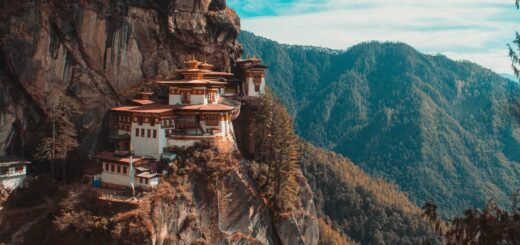
| WARNING — Altitude Sickness: Bhutan’s terrain ranges from 300m in the south to over 7,500m in the north. Paro (2,200m), Thimphu (2,320m), and Bumthang (2,600m) are at altitude. The Tiger’s Nest Monastery (Paro Taktsang) at 3,120m involves a challenging hike. Acclimatise gradually. Symptoms of altitude sickness include headache, nausea, and breathlessness. |
All trekking routes (Snowman Trek, Druk Path Trek, Jhomolhari Trek, Bumdrak Trek) require experienced licensed guides and proper equipment. Trekking solo without a guide is not permitted. Ensure your guide carries emergency oxygen and a first aid kit. Carry appropriate cold-weather gear — mountain weather changes rapidly.
| TIP — Acclimatisation: Spend your first 1-2 days in Paro or Thimphu resting before ascending further. Drink 3-4 litres of water daily. Consult your doctor about acetazolamide (Diamox) if planning high-altitude trekking. |
6. Transportation
Paro International Airport is one of the world’s most challenging airports, with a runway at 2,235m surrounded by steep mountains. Only specially trained Druk Air and Bhutan Airlines pilots are certified to operate there. Flights to Paro operate from Bangkok, Singapore, Delhi, Kathmandu, Dhaka, Kolkata, and Mumbai. Weather frequently causes delays and cancellations — build flexibility into your schedule.
Within Bhutan, your tour operator provides a vehicle and driver. Roads are generally in reasonable condition for main routes but can be narrow, winding mountain roads with steep drop-offs. Landslides occur during monsoon season (June-September) and can block roads for hours or days.
| WARNING — Monsoon Travel: The monsoon season (June-September) brings heavy rainfall, landslides, and road closures. Travel at this time is possible but requires flexibility. The best trekking seasons are spring (March-May) and autumn (September-November). |
7. Health & Medical
Medical facilities in Bhutan are limited by Western standards. Thimphu has the best facilities (Jigme Dorji Wangchuck National Referral Hospital) but serious conditions require evacuation to India (Siliguri, Kolkata) or Bangkok. Travel health insurance with medical evacuation coverage is essential.
Recommended vaccinations: hepatitis A, hepatitis B, typhoid, Japanese encephalitis (if visiting forested areas during monsoon), rabies (for outdoor activities), tetanus. Malaria risk is low but exists in southern border areas. Use insect repellent in the south. Tap water in cities is treated but use bottled water to be safe.
8. Cultural Considerations & Local Laws
Bhutan’s culture is deeply rooted in Vajrayana Buddhism. Dress code is strictly enforced at dzongs (fortresses), temples, and official buildings — knees and shoulders must be covered; traditional Bhutanese dress (gho for men, kira for women) is often required inside dzongs. Photography inside temples and dzongs is typically prohibited or restricted. Follow your guide’s instructions carefully.
Tobacco is heavily regulated — Bhutan is the first country to ban tobacco sales. You may import limited quantities for personal use but must carry a receipt. Smoking in public places is illegal. Plastic bags are banned. Hunting and fishing are banned in most areas. Killing animals is generally prohibited. Slaughterhouses exist only in Phuentsholing.
| WARNING — Tobacco Law: Selling tobacco is illegal in Bhutan. Import duty on tobacco is 100%. Keep all tobacco receipts. Smoking in public areas can result in fines. |
9. Common Scams & Threats
| Scam Name | How It Works | How to Avoid It |
| Unofficial ‘Tour Operators’ | Individuals in Paro or Thimphu claim to offer cheaper ‘independent’ packages bypassing the SDF requirement. | Book only through operators registered with the Tourism Council of Bhutan (TCB). Verify registration at tourism.gov.bt. |
| Gem/Stone Sellers | Vendors around Thimphu Weekend Market claim to sell authentic Bhutanese stones, gems, or antiques. | The export of antiques and religious artefacts is strictly prohibited. Purchase only from authorised government-recognised shops. |
| Fake Handicrafts | Mass-produced items from India or China are sometimes sold as authentic Bhutanese handicrafts. | Buy only from National Handicrafts Emporium or certified craft shops. Look for the ‘Made in Bhutan’ seal. |
| Photography Fees | Unofficial ‘entrance fee collectors’ at minor sites claim photography fees that don’t exist. | All legitimate entry and photography fees are arranged by your tour operator in advance. |
| Currency Exchange | Informal dealers offer better rates than official channels. | Exchange only at official banks (Bank of Bhutan, Bhutan National Bank) or your hotel. |
| Prayer Flag Sales | Persistent vendors follow tourists selling prayer flags claiming they are specially blessed. | Purchase items only at recognised shops. Your guide can assist. |
| Taxi/Transport Overcharge | Occasionally, transport arranged outside the tour package charges inflated rates. | Use only transport arranged by your licensed tour operator as part of your package. |
10. Emergency Contacts
| Service | Number / Details |
| Police Emergency | 113 |
| Fire & Rescue | 110 |
| Ambulance | 112 |
| Tourism Council of Bhutan | +975 2 323251 |
| Jigme Dorji Hospital Thimphu | +975 2 322496 |
| Druk Air Customer Service | +975 2 322215 |
| Indian Embassy Thimphu | +975 2 322162 |
| Emergency (all services) | 911 |
| RSTA (Road Safety) | +975 2 328053 |
11. Safety Checklist
- Book through a Tourism Council of Bhutan-registered operator only
- Pay the Sustainable Development Fee — it is non-negotiable and non-refundable
- Obtain travel health insurance including high-altitude medical evacuation
- Consult your doctor about altitude sickness medication if trekking above 3,500m
- Pack layers — temperatures vary dramatically with altitude
- Carry only official import receipts for any tobacco products
- Respect dress codes at all dzongs, monasteries, and temples
- Follow your guide’s instructions at all times
- Build extra days into your itinerary for possible weather delays at Paro Airport
- Carry bottled water and drink 3-4 litres daily at altitude
- Do not photograph inside temples without explicit permission
- Declare all medications at customs if carrying large quantities