How to Stay Safe in Zimbabwe
1. Introduction
Zimbabwe, once known as the ‘breadbasket of Africa,’ is a southern African nation of extraordinary natural and cultural wealth—home to Victoria Falls (one of the Seven Natural Wonders of the World, shared with Zambia), Hwange National Park (one of Africa’s finest elephant sanctuaries), Mana Pools National Park (UNESCO—famous for walking and canoe safaris), the Great Zimbabwe ruins (the largest pre-colonial stone structure in sub-Saharan Africa), and the wild, dramatic Eastern Highlands.
Zimbabwe has been through devastating political and economic turmoil under Robert Mugabe’s 37-year rule (ended by a coup in 2017). President Emmerson Mnangagwa’s government has maintained the political framework of ZANU-PF dominance, and post-Mugabe Zimbabwe remains economically fragile with hyperinflation episodes, cash shortages, and collapsing public services. Despite this, Zimbabwe has a sophisticated tourism industry—especially around Victoria Falls—and offers genuinely world-class safari and adventure experiences. Most Western governments advise ‘exercise a high degree of caution.’
| ⚠ Economic Instability: Zimbabwe’s currency has experienced multiple hyperinflation episodes. The Zimbabwe Gold (ZiG) currency introduced in 2024 attempts to stabilise the situation, but USD is the effective currency for tourism. Always carry USD cash in small denominations. Card payments are unreliable and ATMs frequently out of service or limited. |
2. Security Landscape
Harare, the capital, has moderate-to-high urban crime. The CBD (particularly around the market areas, bus stations, and Mbare suburb) is high-risk for pickpocketing, bag snatching, and robbery. The Avondale, Borrowdale, and Mount Pleasant suburbs are considerably safer. Night movement in the CBD on foot is strongly discouraged—use taxis or hotel transport.
Victoria Falls town is tourist-oriented and generally safer than Harare, though bag snatching and curio market pressure tactics are common. Bulawayo (Zimbabwe’s second city, gateway to Matobo Hills) has lower crime than Harare. The Eastern Highlands (Nyanga, Chimanimani) are among Zimbabwe’s safest and most beautiful areas. National park interiors are very safe from a crime perspective.
Political demonstrations have occurred periodically in Harare, and security forces have used force against protesters in the past. Avoid all political gatherings. The security services (CIO—Central Intelligence Organisation) monitor communications and can detain perceived critics of the government.
| ⚠ Political Sensitivity: Zimbabwe’s government is sensitive to criticism. Do not engage in political discussions with unknown contacts. Journalists and activists face particular scrutiny. Photography of government buildings, military installations, the President’s residence, and any security personnel is strictly prohibited and can result in detention. |
3. Victoria Falls: Comprehensive Guide
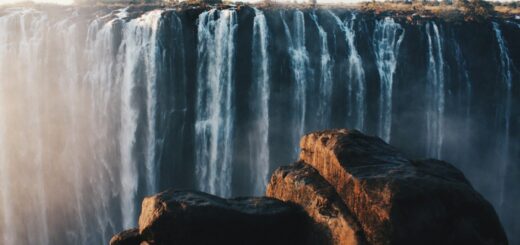
The Zimbabwean town of Victoria Falls is the premier base for visiting the Falls, offering a longer panoramic view of the main curtain of water (Zimbabwean side) and a charming, walkable town with excellent restaurants and infrastructure. The Falls are a 10-minute walk from the town centre through the National Park entrance.
Peak spray season (February–May): The Falls are at their fullest and most powerful but spray can completely obscure the view. You will be completely soaked—waterproof gear is essential. Dry season (September–November): Water levels are lower but visibility is clearer and activities like white water rafting are at their most intense.
Adventure activities based at Victoria Falls town include white water rafting (Grade 5 Zambezi—world-class), bungee jumping from the 111m Victoria Falls Bridge (Shearwater), zip-lining across the gorge, bridge walks, helicopter and microlight scenic flights, sunset boat cruises, game drives in Zambezi National Park, and guided walking in the rainforest below the Falls.
| ✔ The Zimbabwe vs Zambia Side: The Zimbabwean side offers the best panoramic view of the Falls from the opposite side—you see the full width of the Falls curtain. The Zambian side is closer to the main falls and has Devil’s Pool. Many visitors cross the bridge to do both sides—both countries’ visas can be obtained on arrival (KAZA UNIVISA covers both Zimbabwe and Zambia for USD 50). |
4. Key Safari Destinations
Hwange National Park
Hwange is Zimbabwe’s largest park and one of Africa’s finest for elephant—the park can hold up to 40,000 elephants seasonally, with enormous concentrations around waterholes in the dry season. Lion, wild dog, sable antelope, brown hyena, and extraordinary birdlife are present. Game drives and walking safaris are available. The area around Main Camp and Sinamatella has diverse terrain. Both self-catering (Zimbabwe Parks camps) and luxury private lodges are available.
Mana Pools National Park
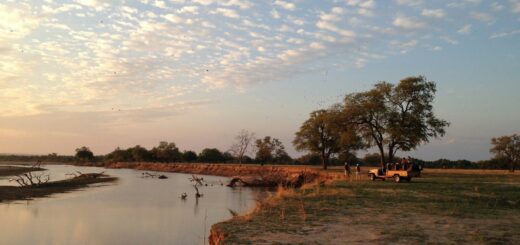
Mana Pools (UNESCO) on the banks of the Zambezi is world-famous for its unguided walking and canoe safaris—uniquely in Africa, visitors can walk unguided in some sections. Lions, elephants, hippos, leopards, and wild dogs are abundant. The area floods seasonally, making access time-critical (June–October is prime).
Great Zimbabwe Ruins
The Great Zimbabwe ruins near Masvingo are the largest ancient stone structure in sub-Saharan Africa and the namesake of the country. Built between the 11th and 15th centuries by the Shona civilisation, the walled enclosures housed a royal court at the height of the Zimbabwe Plateau gold trade. A genuinely unmissable historical site—guided tours from the on-site museum are highly recommended.
5. Transportation Safety
Zimbabwe’s road infrastructure has deteriorated significantly since the Mugabe era—potholes are widespread, road markings are absent on many routes, and night driving is extremely hazardous due to poorly lit roads, unmarked speed humps (speed bumps), and wandering livestock. Self-driving in Zimbabwe requires a 4WD for national parks and a very cautious approach to road travel generally.
Combis (minibuses) in Harare and other cities are extremely overcrowded and crash-prone. Long-distance coaches (Intercape, Greyhound) connecting Harare to Johannesburg are considerably safer for major intercity routes. Victoria Falls airport has direct international connections to Johannesburg and regional hubs; Robert Gabriel Mugabe International Airport (Harare) has connections to Nairobi, Addis Ababa, Johannesburg, and London.
Fuel availability has been an ongoing challenge in Zimbabwe due to economic conditions—fuel queues can be very long. In tourist areas (Victoria Falls, Hwange), fuel is generally available but often at premium prices. Fill up whenever possible and do not allow tanks to run low.
| ⚠ Night Driving: Night driving in Zimbabwe is extremely dangerous. Roads are poorly maintained, unlit, and have unmarked speed humps that can cause serious damage or accidents. Do not drive after dark outside of well-lit urban areas. |
6. Health & Medical Safety
Malaria is present in low-altitude areas of Zimbabwe, including the Zambezi Valley (Victoria Falls, Mana Pools, Hwange’s lower areas) and the Limpopo Valley in the south. The Eastern Highlands and Harare/Bulawayo (higher altitude) are generally malaria-free. Yellow fever vaccination is required if arriving from endemic countries. Typhoid, hepatitis, cholera (in areas with compromised water infrastructure), and bilharzia (in freshwater bodies) are all present.
Medical facilities have deteriorated significantly. In Harare, private hospitals (Avenues Clinic, Parirenyatwa) and the Trauma Centre provide limited but functional care. The public health system has collapsed. Victoria Falls Hospital is basic—serious cases require air evacuation to Johannesburg. In national parks, only lodge-based first aid is available. Medical evacuation insurance covering air ambulance to South Africa is essential for any safari travel.
| ⚠ Medical Evacuation Priority: Do not rely on the Zimbabwean public health system for any serious condition. Have your medical evacuation insurer’s contact number saved and accessible at all times. MARS Air Rescue and Netcare 911 operate in Zimbabwe. In Victoria Falls, MARS has a base at the local airstrip. |
7. Currency & Economic Realities
Zimbabwe’s economic instability has made USD the de facto currency for tourism. Small USD bills (USD 1, 5, and 10) are essential—change in USD is often unavailable. The Zimbabwe Gold (ZiG) introduced in 2024 is legal tender but tourists are almost universally priced in USD. Mobile money (EcoCash, Innbucks) is widely used by locals but foreign cards often don’t integrate well with these systems.
ATMs dispense limited amounts and are frequently empty in smaller towns. Victoria Falls town is better serviced for foreign cards. Credit cards are accepted at major hotels and tour operators but surcharges may apply. Budget carefully and carry sufficient USD for your entire stay plus a significant reserve.
| ✔ USD Bills: Zimbabwe is extremely USD-cash-dependent. Carry pristine, unfolded USD bills—torn, marked, or old-series notes may be refused. Small denominations (USD 1, 5, 10) are essential as change is almost never available. Getting USD 100 bills broken is a constant challenge. |
8. Common Scams & How to Avoid Them
| Scam Name | How It Works | How to Avoid It |
| Victoria Falls Curio Market Pressure | Vendors at the large curio market outside the Falls entrance use very high-pressure tactics—placing items in hands, creating guilt, claiming family hardship, and following tourists who try to leave. | Enter with a clear budget in mind and stick to it. Practice a firm ‘No thank you, I’m just looking.’ If you show interest, you will be followed. Decide what you want before entering and transact only at your chosen stalls. |
| Fake USD Bill Scam | In the highly cash-dependent economy, counterfeit USD notes are occasionally passed by currency changers or even market vendors. | Familiarise yourself with USD security features. Check for watermark and security strip. Avoid exchanging money on the street—use official bank branches or hotel exchange. |
| Fuel Queue Jumping Scam | An individual offers to get you to the front of the fuel queue for a fee, then disappears with the money. | Queue in the normal line. Never pay individuals to ‘facilitate’ access to services. |
| KAZA UniVisa Confusion | Unofficial ‘helpers’ at the border or airport insist you need additional documents or fees for the KAZA UniVisa. | The KAZA UniVisa (USD 50) covers both Zimbabwe and Zambia and is obtained officially at the airport or border post. No additional agents or facilitators are needed or legitimate. |
| Tour Operator Deposit Disappearance | A smaller local tour operator accepts a deposit for a safari or activity and then becomes unreachable or delivers nothing. | Use established, internationally reviewed operators. Pay deposits by credit card where possible. Verify operators through TripAdvisor and Responsible Tourism Zimbabwe. |
| Harare CBD Pickpockets | The Harare CBD, particularly around the main post office, Ximex Mall area, and bus termini, has skilled pickpockets working in groups. | Carry only what you need in the CBD. Use a front-facing zippered bag. Avoid displaying phones or cameras. Stay alert and keep moving. |
| ‘Game Park Ranger’ Demand | Individuals near park entrances claim an unofficial entry fee or ‘conservation fee’ payable to them before the official gate. | Pay only at official ZIMPARKS gate offices. All fees are receipted. No legitimate park personnel collect fees outside designated offices. |
| Friendship Leading to Robbery | A friendly local in Harare befriends tourists and offers to show them around, leading them to less populated areas where accomplices rob them. | Be politely cautious of individuals who specifically seek out tourists for unsolicited attention. Explore with hotel-recommended guides rather than self-appointed new friends. |
| Photography Detention Leverage | Plain-clothes CIO agents or police catch tourists photographing prohibited sites and use the threat of detention to extract bribes. | Do not photograph government buildings, military, police, state infrastructure, or State House under any circumstances. If detained, remain calm, request to call your embassy, and do not pay unofficial fines without a receipt. |
9. Legal Considerations
Homosexuality is illegal in Zimbabwe (up to 1 year imprisonment). LGBTQ+ tourists must exercise extreme discretion. Drug laws carry severe penalties. As noted, photography of government, military, and presidential facilities is strictly prohibited. Journalists and human rights workers face scrutiny from the CIO (Central Intelligence Organisation)—travel with minimal documentation of sensitive research.
The KAZA Univisa allows entry to both Zimbabwe and Zambia for USD 50—a major convenience. Most nationalities can obtain visas on arrival. Check current entry requirements for your nationality in advance, as these change.
10. Cultural Awareness
Zimbabwe has two main ethnic groups—the Shona (majority, approximately 70%) and the Ndebele (approximately 20%), with many smaller groups. Both have distinct traditions, music (the Shona mbira or ‘thumb piano’ is a world-famous instrument), and languages. English is the official language of government and education alongside 15 other recognised languages.
Zimbabweans are renowned for their warmth and dignity despite extraordinary economic hardship. The resilience and good humour of Zimbabwe’s people is striking. Engaging with them respectfully and without condescension is important. Avoid making glib comparisons to other African countries or commenting negatively about the political situation with unknown contacts—not all conversations are private.
| ✔ Ndebele Language (Bulawayo Region): A few words of Ndebele in Bulawayo and Matabeleland are warmly received: ‘Sawubona’ (hello, singular), ‘Salibonani’ (hello, plural), ‘Ngiyabonga’ (thank you). In Shona-speaking areas: ‘Mhoro’ (hello), ‘Maita basa’ (thank you). |
11. Emergency Contacts
| Service | Number / Info |
| Police Emergency | 995 or 999 |
| Fire & Ambulance | 993 or 994 |
| Avenues Clinic Harare | +263 4 251 180 |
| Trauma Centre Harare | +263 4 308 080 |
| Victoria Falls Hospital | +263 83 284 4211 |
| US Embassy Harare | +263 4 250 593 |
| British Embassy Harare | +263 4 338 800 |
| MARS Air Rescue Zimbabwe | +263 83 284 3027 |
| Zimbabwe Parks (ZIMPARKS) | +263 4 706 077 |
| Victoria Falls Tourism (info) | +263 83 284 4202 |
12. Pre-Departure Safety Checklist
- Check current travel advisory for Zimbabwe
- Obtain Yellow Fever vaccination if required
- Get antimalarials for Zambezi Valley areas (Victoria Falls, Hwange low areas, Mana Pools)
- Purchase comprehensive travel insurance with air evacuation to South Africa
- Carry abundant pristine USD cash in small denominations—do not depend on ATMs
- Consider the KAZA UniVisa (USD 50) covering both Zimbabwe and Zambia
- Register with your embassy before travel
- Book accommodation and activities well in advance—Victoria Falls lodges book out months ahead
- Download offline maps for all planned routes
- Never photograph government buildings, military, State House, or security personnel
- Do not drive after dark under any circumstances
- Arrange airport transfer through your hotel before arrival
- Pack waterproof gear if visiting Victoria Falls in flood season (February–May)
- Book rafting, bungee, and adventure activities with established, certified operators only