How to Stay Safe in Mauritius
1. Introduction
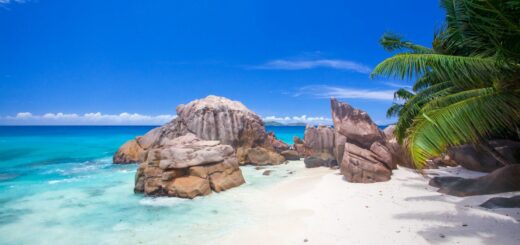
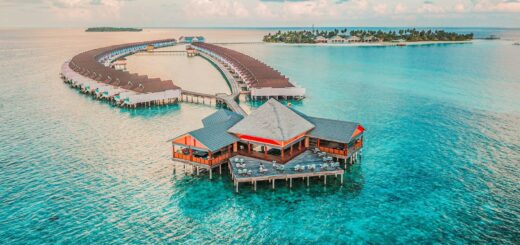
Mauritius is one of the Indian Ocean’s most celebrated holiday destinations—a volcanic island surrounded by coral reefs, turquoise lagoons, and white-sand beaches, with a well-developed tourism infrastructure and political stability that makes it an outlier in the region. The island blends Indian, African, European, and Chinese cultural influences into a unique multicultural society, and offers world-class resorts, excellent cuisine, diverse outdoor activities, and a generally safe environment.
Most Western governments rate Mauritius as ‘exercise normal security precautions’—equivalent to many European destinations. Crime does exist, but violent crime against tourists is relatively uncommon. The main risks are petty theft, water sports accidents, and occasional tropical cyclones. This guide helps tourists stay safe and avoid the limited but real risks present.
| ✔ Top Safety Tips: Mauritius is one of Africa’s safest destinations. Use common sense—lock your hotel room, don’t leave valuables unattended on the beach, and be cautious at night in Port Louis. The island’s main risks are environmental rather than criminal. |
2. Security Landscape
Petty crime—bag snatching, pickpocketing, and theft from beach bags—is the main crime concern for tourists. Port Louis (the capital) has higher crime levels than resort areas, particularly around the central market and waterfront at night. Some beach areas on the west coast (Flic en Flac, Grand Baie) have had reports of beach theft. The tourist-dense areas are generally well-policed.
Drug trafficking is a significant issue in Mauritius—particularly heroin and synthetic drugs. Drug possession and trafficking carry extremely severe penalties, including life imprisonment. Do not carry packages for strangers and do not buy or accept drugs from anyone.
| ⚠ Drug Laws: Mauritius has some of the strictest drug laws in the world. Possession of even small amounts of illicit drugs can result in life imprisonment. Never carry packages for others, particularly through the airport. Be aware of the drug environment in some nightlife areas. |
3. Water Safety
Mauritius’s marine environment is both a highlight and a safety consideration. The lagoon on the west and north coasts is calm and safe for swimming; the east coast (facing the open Indian Ocean) has stronger currents and waves. Always observe beach flags: red means no swimming. Rip currents have caused drownings on exposed beaches.
Water sports (kite surfing, windsurfing, diving, snorkelling, deep-sea fishing) are widely available and generally well-regulated. Choose operators with certified equipment, safety briefings, and life jackets. Box jellyfish are occasionally present and can cause severe pain and injury. Lionfish and stonefish are present in some reef areas—never touch unknown marine life.
| ⚠ Ocean Currents: The east coast and some exposed sections have dangerous rip currents. Never swim against a rip current—swim parallel to shore until free of it, then return to beach. Only swim at patrolled, flagged beaches when uncertain of conditions. |
4. Transportation Safety
Roads in Mauritius are well-maintained by regional standards but driving can be fast and aggressive, particularly on the motorway. Driving is on the left (British system). Car hire is widely available and a good way to explore the island independently. Traffic in Port Louis is extremely congested during rush hours. Buses (CNT) connect most parts of the island cheaply but can be very crowded.
Taxis are abundant but have no metres—negotiate fares before departure. Taxi apps (PickMe) are available in urban areas. Boat tours, glass-bottom boats, and diving trips depart from all major resort areas. SSR International Airport (Plaisance) has excellent connections to Africa, Europe, Asia, and regional islands.
| ✔ Car Hire: Hiring a car is the best way to explore Mauritius beyond your resort. Roads are clear, distances are small (the island is 65km x 45km), and driving is manageable. International driving licence is accepted. Keep to the left and be cautious on mountain roads. |
5. Health & Medical Safety
Mauritius has no malaria. Yellow fever vaccination is required only if arriving from endemic countries. Dengue fever occurs in outbreaks—use DEET repellent. Chikungunya has occurred. Mauritius has good medical infrastructure by regional standards: private hospitals (Fortis Clinique Darné, Apollo Bramwell Hospital) provide high-quality care; public hospitals (SSRN Hospital, Flacq Hospital) are adequate for less serious conditions. Medical evacuation is rarely necessary but insurance is still advisable.
Sun protection is crucial—the equatorial sun at sea level with reflective ocean water causes rapid sunburn. Dehydration is a risk during outdoor activities. Mauritius tap water is generally safe to drink. Food hygiene at hotels and established restaurants is excellent; street food safety varies.
6. Common Scams & How to Avoid Them
| Scam Name | How It Works | How to Avoid It |
| Taxi Overcharging | Without metres, taxi drivers quote tourist prices, sometimes 3–5x the fair rate. | Negotiate the fare before getting in. Download PickMe app for transparent pricing. Ask your hotel what standard fares should be. |
| Port Louis Market Overcharging | Street vendors at Port Louis Central Market quote tourist prices for spices, crafts, and souvenirs. | Compare prices at multiple stalls. Research spice prices in advance (vanilla, saffron, cardamom). Bargain respectfully. |
| Beach Vendor Harassment | Vendors at popular beaches can be persistent and aggressive, particularly along Grand Baie and Flic en Flac. | Firm, consistent ‘no thank you’ from the outset. Stay on hotel-managed beach sections where vendor access is more controlled. |
| Fake Excursion Operators | Unofficial operators near tourist areas sell catamaran, island-hopping, or diving trips then deliver inferior experiences. | Book excursions only through your hotel or reputable agencies. Check TripAdvisor reviews. Verify safety equipment before boarding. |
| Gem / Jewellery Overpricing | Jewellery shops near tourist areas claim ‘factory price’ or ‘special price today only.’ | Compare prices across multiple shops. Take time to research before buying. Never be rushed by ‘today only’ pressure. |
| Currency Shortchanging | At markets and small shops, sellers shortchange tourists unfamiliar with Mauritian Rupees. | Familiarise yourself with MUR banknotes and coins before travel. Count change every time. |
7. Legal Considerations
Mauritius is a parliamentary democracy with a strong rule of law. Drug laws are extremely strict—life imprisonment for trafficking, severe penalties for possession. Homosexuality is legal in Mauritius (decriminalised 2023), which makes it notably progressive by regional standards. LGBTQ+ tourists can be relatively open, though public displays of affection may attract attention in more conservative areas.
Cyclone season (November–April) brings the risk of tropical cyclones. The Mauritius Meteorological Service issues numbered warnings (Class I through IV). Class III means all sea and land activities should be suspended; Class IV (highest) means stay indoors and shelter. Monitor weather reports during cyclone season.
8. Cultural Awareness
Mauritius is a beautifully multicultural society—Hindu Mauritians (approximately 48%), Creole/African (27%), Muslim (17%), and Sino-Mauritian and Franco-Mauritian communities all contribute to national life. Festivals from multiple traditions are public holidays and celebrated with genuine joy: Diwali (Hindu), Eid (Muslim), Chinese Spring Festival, and Christian holidays. Experiencing a festival is a highlight of any visit.
| ✔ Cuisine: Mauritian cuisine is one of the best in the Indian Ocean—a fusion of Indian, Chinese, Creole, and French influences. Try dholl puri (flatbread with lentils), biryani, rougaille, mine frite, and fresh seafood. The street food market at Grand Baie and Port Louis Central Market are excellent for sampling local food safely. |
9. Emergency Contacts
| Service | Number / Info |
| Police Emergency | 999 |
| Fire Service | 995 |
| Ambulance | 114 |
| Fortis Clinique Darné | +230 401 5000 |
| Apollo Bramwell Hospital | +230 405 9000 |
| SSRN Hospital Pamplemousses | +230 243 3661 |
| Mauritius Tourism Authority | +230 210 1545 |
10. Pre-Departure Safety Checklist
- Check cyclone season dates if travelling November–April
- Get Yellow Fever vaccination only if required (check your origin country status)
- Pack high-factor sunscreen and DEET repellent (dengue prevention)
- Purchase travel insurance including water sports coverage
- Download PickMe app for transparent taxi pricing
- Familiarise yourself with MUR currency before arrival
- Book water sports with certified, insured operators only
- Pack reef shoes for snorkelling and rocky beach areas
- Know the cyclone warning system (Class I–IV)
- Store hotel safe key/combination securely and use it for valuables