How to Stay Safe in Rwanda
1. Introduction
Rwanda is one of Africa’s most remarkable transformation stories. In 1994, the country was devastated by a genocide that killed an estimated 800,000–1,000,000 people in 100 days. Thirty years later, Rwanda is consistently rated one of Africa’s safest, cleanest, and best-governed countries—a model of post-conflict recovery and economic development under President Paul Kagame. Kigali is regularly voted one of Africa’s cleanest and safest cities, with low crime, efficient infrastructure, and high levels of civic order.
Tourism is one of Rwanda’s fastest-growing sectors. Mountain gorilla trekking in Volcanoes National Park—one of the world’s great wildlife experiences—is the flagship attraction. Akagera National Park has the Big Five. Nyungwe Forest National Park has chimpanzees and extraordinary primates. The genocide memorial sites provide important historical context.
| ✔ One of Africa’s Safest: Rwanda is rated as one of the safest destinations in Africa by virtually all Western governments. The general security recommendation is ‘exercise normal security precautions’—the same level as many European destinations. Street crime exists but at much lower levels than most of the region. |
2. Security Landscape
Kigali has very low street crime rates by African standards. The city is well-lit, well-policed, and has a strong civic culture of rule-following. Petty theft does occur (pickpocketing in crowded areas, bag snatching) but at much lower rates than regional peers. The city is navigable on foot during daytime in most areas, which is unusual for an African capital.
Rwanda borders the DRC, and the eastern DRC conflict has historically created some spillover risk in western Rwanda (particularly near Rubavu/Gisenyi on the DRC border). The DRC’s M23 conflict has at times approached the border area. Volcanoes National Park, while close to this border, is well-managed and has an excellent safety record for tourists.
| ⚠ DRC Border Area: The border area between Rwanda and DRC (Rubavu/Gisenyi) has periodic security alerts due to spillover from eastern DRC conflict. Monitor current conditions and embassy alerts if planning to visit this area. The border crossing itself can be chaotic. |
3. Safe & Key Areas
Kigali
Kigali is a remarkably well-maintained, orderly city. The Kiyovu, Nyarutarama, and Remera districts have the main hotels and restaurants. The Kimironko market and Nyabugogo bus station area are busier and warrant standard pickpocket awareness. The Kigali Genocide Memorial is a moving, essential visit and is professionally managed.
Volcanoes National Park
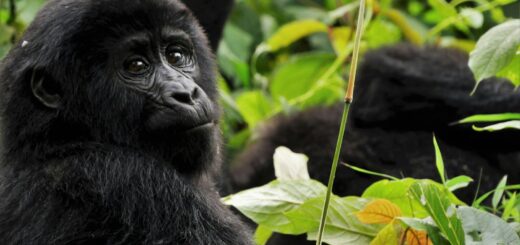
Located in the Virunga Massif near the DRC and Uganda borders, Volcanoes is the only place in Rwanda where mountain gorillas can be trekked. The park is professionally managed, with armed rangers accompanying all treks. The nearest town (Musanze/Ruhengeri) has good tourist infrastructure. The gorilla trek itself is highly regulated—limited numbers per day, 1-hour maximum time with gorilla families.
Akagera & Nyungwe
Akagera National Park (eastern Rwanda, near Tanzania) is well-managed by African Parks and offers Big Five game drives—lion, leopard, elephant, buffalo, and rhino have all been reintroduced. Nyungwe Forest (southwest) is a vast montane forest with chimpanzee tracking, colobus monkeys, and canopy walks. Both are considered very safe.
4. Transportation Safety
Road conditions in Rwanda are among the best in the region—the country has invested heavily in road infrastructure. The main routes between Kigali and major tourist destinations (Volcanoes, Akagera, Nyungwe) are paved and generally in good condition. Motorbike taxis (‘motos’) are regulated in Kigali—they must wear helmets, provide helmets to passengers, and are GPS-tracked. This makes them significantly safer than motos elsewhere in Africa, though still higher risk than cars.
Tap-tap minibuses (matatus) are cheap but crowded and driven aggressively. Modern bus services (Volcans Express, Ritco) connect Kigali to provincial centres comfortably. Driving is on the right side in Rwanda. International driving licences are accepted. Kigali’s traffic is manageable compared to most African capitals.
| ✔ Moto Taxis: Kigali’s moto-taxis are GPS-tracked and drivers must provide helmets. They’re a legitimate way to get around the city’s hilly terrain. Always wear the helmet provided. Book through the SafeMotos or Yego apps for additional safety and price transparency. |
5. Gorilla Trekking: Key Information
Mountain gorilla trekking is the highlight of most Rwanda visits and requires advance planning. Gorilla permits are USD 1,500 per person per trek (as of 2024)—expensive but fund conservation. Permits must be booked through the Rwanda Development Board (RDB) directly or through authorised agents. Treks can last 2–8 hours depending on gorilla family location on that day.
Physical requirements: trekking involves hiking through dense rainforest at altitude (2,500–4,000m) in potentially muddy and slippery conditions. Moderate to good fitness is required. Age minimum is 15 years. Wear layers, waterproof jacket, long trousers, sturdy boots. Porters are available and strongly recommended—they carry your bag and assist with difficult terrain.
| ⚠ Gorilla Health Rules: Do not visit gorillas if you are ill (especially with cold or respiratory infection). Gorillas are susceptible to human diseases. Maintain the required 7-metre minimum distance at all times. Follow all ranger instructions. This protects both you and the gorillas. |
| ✔ Booking Strategy: Book gorilla permits as early as possible—ideally 6–12 months before travel, especially for peak season (June–September). The RDB website (www.rdb.rw) handles direct bookings. Have backup dates prepared. |
6. Genocide Memorial Sites
Visiting the Kigali Genocide Memorial and other memorial sites (Ntarama, Nyamata, Murambi) is an important part of understanding Rwanda’s history. These are deeply moving places, well-managed and respectful of victims. Photography protocols vary—follow site guidance. The Kigali Genocide Memorial has an excellent museum and well-maintained gardens.
Approach these sites with sensitivity and respect. Do not photograph human remains (present at some rural memorial sites) unless specifically permitted. Allow adequate time—rushing through a genocide memorial is disrespectful. Many visitors find these experiences emotionally demanding; allow processing time afterwards.
| ✔ Memorial Etiquette: Dress conservatively at memorial sites. Speak quietly. Follow all guide instructions regarding photography. Consider visiting with a local guide who can provide context and personal perspectives. The experience is profoundly meaningful and should be approached with appropriate gravity. |
7. Common Scams & How to Avoid Them
Rwanda has very low levels of tourist scams compared to the rest of the region. However, a few situations warrant awareness:
| Scam Name | How It Works | How to Avoid It |
| Gorilla Permit Fraud | Fake permits sold by unofficial agents—worthless on arrival at the park. | Book gorilla permits ONLY through Rwanda Development Board official website or RDB-authorised agents with official documentation. |
| Overpriced Craft Markets | Vendors at Kigali’s Caplaki craft market quote prices above fair value. | Bargain respectfully. Research fair prices in advance. Competition between vendors keeps prices more reasonable than in most regional markets. |
| Taxi Overcharging | Airport taxis sometimes quote excessive rates. | Use the official airport taxi desk or book through your hotel. Agree on fares before boarding. |
| SIM Card Purchase | Unofficial sellers may provide non-functional or fraudulent SIMs. | Buy SIMs only at official MTN or Airtel outlets in the city. |
| Border Scam (DRC Crossing) | Unofficial ‘guides’ at the DRC border offer to help with crossing formalities for a fee, creating confusion and overcharging. | Use official border crossing procedures only. No third-party assistance is needed or legitimate for normal border crossings. |
| Unofficial ‘Genocide Guides’ | Individuals near Kigali Memorial offer to act as personal guides without official credentials. | Book guides through the memorial site itself or through your hotel. Unofficial guides may provide inaccurate or manipulative accounts. |
8. Legal Considerations
Rwanda has a complex legal environment. Genocide ideology (denial, minimisation, or promotion of ethnic divisions) is a serious criminal offence carrying potential imprisonment. Do not make any statements or jokes relating to the genocide or ethnic groups. This law is taken seriously and tourists have faced legal issues for careless comments.
Plastic bags are completely banned in Rwanda—do not bring plastic bags into the country. They will be confiscated at the border. This is a strong environmental policy of which Rwandans are proud. Homosexuality remains technically illegal in Rwanda, though enforcement is inconsistent; LGBTQ+ tourists should exercise discretion.
Photography: Rwanda is generally more relaxed about photography than its Central African neighbours. However, photographing military, police, and presidential facilities requires caution. Always ask before photographing individuals.
| ⚠ Genocide Denial Law: Do not make any statements that could be construed as genocide denial, minimisation, or ethnic divisionism. This is a criminal offence in Rwanda. Be respectful and thoughtful in all conversations about Rwandan history. |
9. Cultural Awareness
Rwanda has worked hard to move beyond ethnic identity—the government has officially discouraged the use of Hutu and Tutsi labels since the genocide. Asking locals about their ethnic identity is considered deeply inappropriate. Rwanda is officially bicultural (Kinyarwanda, French, and English are all national languages—English was added in 2008 and is now dominant in education and business).
The first Saturday of each month is Umuganda—a national community service day when all citizens participate in communal work from 8am to noon. Businesses are closed and movement is restricted during this time. It is a genuinely meaningful civic tradition and tourists are welcome to participate or simply stay indoors during the morning.
| ✔ Umuganda: If in Rwanda on the last Saturday of the month, join in Umuganda if invited by locals—it is a genuinely moving experience of community solidarity. At minimum, stay off the roads and respect the spirit of the day. |
10. Emergency Contacts
| Service | Number / Info |
| Police Emergency | 112 |
| Fire Brigade | 111 |
| Ambulance | 912 |
| King Faisal Hospital Kigali | +250 252 582 421 |
| Clinic Galien Kigali | +250 788 318 318 |
| US Embassy Kigali | +250 252 596 400 |
| British High Commission Kigali | +250 252 556 000 |
| Rwanda Development Board (Gorilla Permits) | +250 788 314 011 |
| Volcanoes National Park HQ | +250 788 315 949 |
11. Pre-Departure Safety Checklist
- Book gorilla permits as early as possible through Rwanda Development Board
- Check current travel advisory (likely ‘exercise normal precautions’)
- Obtain Yellow Fever vaccination (required)
- Begin antimalarials if visiting game parks or rural areas
- Purchase travel insurance with evacuation coverage
- Do NOT pack plastic bags—completely banned in Rwanda
- Pack good hiking boots and waterproof gear for gorilla trekking
- Book park lodges in advance—capacity near Volcanoes NP is limited
- Download offline maps and Kigali walking routes
- Learn basic Kinyarwanda greetings: ‘Muraho’ (hello), ‘Murakoze’ (thank you)
- Research Umuganda dates for your travel period
- Note you cannot discuss ethnic divisions—be mindful of all conversations
- Carry USD for gorilla permits; Rwanda accepts USD widely