How to Stay Safe in Sierra Leone
1. Introduction
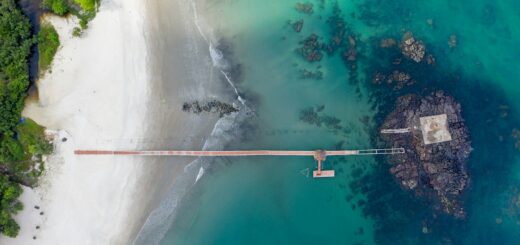
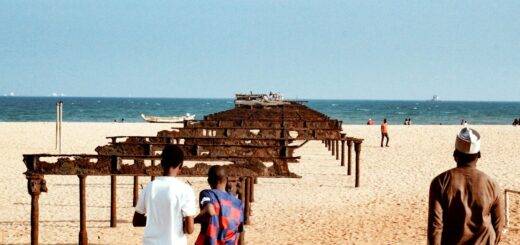
Sierra Leone is one of West Africa’s most beautiful and least-visited countries—a place of stunning white-sand beaches (including Tokeh and River Number Two, rated among Africa’s finest), lush rainforests, chimpanzee sanctuaries (Tacugama), and genuinely warm people. The country has made remarkable progress since the devastating civil war (1991–2002) and the 2014–2016 Ebola crisis. Freetown is rebuilding its international tourism profile.
Despite its progress, Sierra Leone remains one of the world’s poorest countries with significant challenges: high crime in Freetown, extremely limited infrastructure, health risks, and poor medical facilities. Most Western governments rate Sierra Leone as ‘exercise a high degree of caution.’ Prepared tourists who understand the risks, however, consistently report rewarding experiences.
| ✔ Emerging Destination: Sierra Leone is gaining popularity with adventurous travellers precisely because it is off the beaten path. Tourism is growing—but infrastructure is developing more slowly. Manage expectations accordingly and embrace the experience with flexibility. |
2. Security Landscape
Freetown has a significant crime problem—petty theft, robbery, and assault occur, particularly at night. The eastern and western fringes of Freetown, as well as beach areas after dark, are higher risk. The East End of Freetown has historically been more dangerous than the West End and the Hill Station/Spur Road area.
Outside Freetown, the country is generally calmer with low crime levels in rural areas. The Outamba-Kilimi National Park in the north, the Tiwai Island Wildlife Sanctuary, and the beach areas of the Freetown Peninsula are accessible with reasonable precautions. Border areas with Guinea and Liberia should be approached with more caution.
| ⚠ Freetown at Night: After dark in Freetown, movement on foot is risky outside secured hotel perimeters. Always use known transport at night. Armed robbery on roads and on foot has been reported in multiple parts of the city. |
3. Safe vs. Risky Areas
Relatively Safe
Aberdeen and Lumley beach areas (Freetown): Main tourist and expat area, reasonable infrastructure. Hill Station / Spur Road: Government and NGO residential area, lower crime. Freetown Peninsula beaches (River Number Two, Tokeh, Bureh): Beautiful, relatively calm during daylight. Kenema and Bo (daytime): Provincial cities with manageable security.
Higher Risk
East End of Freetown: Higher crime area. Kroo Bay slum: No-go for tourists. Any area after dark without transport: Robbery risk. Border areas with Liberia (southeast): Limited security presence.
4. Transportation Safety
Getting to Freetown from Lungi International Airport involves either a ferry crossing (the most common option—can be unreliable and sometimes dangerous in rough weather) or a helicopter (more expensive but reliably safer). The ferry is a point of known congestion and occasional accidents. Hovercraft services have operated intermittently. Plan your arrival transfer carefully.
Within Freetown, okadas (motorcycle taxis) are everywhere but extremely dangerous—they are the leading cause of road injury in Sierra Leone. Use hotel-arranged taxis or trusted private hire. Poda-podas (minibuses) are public transport and are overcrowded and poorly maintained. Intercity travel is generally by shared taxis or minibus on poorly maintained roads.
| ⚠ Lungi Airport Transfer: The airport is on the other side of the Sierra Leone River from Freetown. Plan your transfer carefully—ferry can be delayed or cancelled. Many visitors book airport hotel packages that include helicopter transfer to avoid the crossing entirely. |
| ⚠ Motorcycle Taxis: Do not use okadas (motorcycle taxis). They are involved in a disproportionate number of road fatalities and injuries. Hospital emergency rooms in Freetown are overwhelmed with okada accident victims. |
5. Health & Medical Safety
Sierra Leone has severe public health challenges. Malaria is endemic. Yellow fever vaccination is required. Lassa fever is endemic in rural Sierra Leone and has caused multiple outbreaks—avoid contact with rodents and bushmeat. Cholera, typhoid, and hepatitis are present. Sierra Leone was badly affected by the 2014–2016 Ebola outbreak.
Medical facilities are critically limited. Freetown’s Connaught Hospital (public) is chronically under-resourced. The Choithram Memorial Hospital provides better private care. Ola During Children’s Hospital is the main paediatric facility. For serious illness, medical evacuation to Dakar or London is necessary. Purchase comprehensive evacuation insurance before travel.
| ⚠ Lassa Fever: Lassa fever is endemic in Sierra Leone’s rural areas. Transmitted by contact with infected multimammate rats or their droppings. Avoid bushmeat, store food in sealed containers, and report fever with bleeding symptoms immediately to medical authorities. |
6. Common Scams & How to Avoid Them
| Scam Name | How It Works | How to Avoid It |
| Airport Hustlers | Upon landing, unofficial ‘porters’ grab luggage and demand large fees. ‘Helpers’ lead tourists to overpriced taxis or accommodation. | Arrange airport pickup with your hotel before travel. Carry your own bags. Decline all unsolicited assistance firmly. |
| Overpriced Taxis | Drivers quote tourist prices many times the local rate for Freetown journeys. | Ask your hotel for a list of standard fares for common routes. Agree on fare before entering the taxi. |
| Fake Guides at Sites | Unlicensed individuals at natural sites (Tacugama, beaches) claim to be official guides and charge excessive fees. | Book guides through official site management offices. Carry documented receipts for any payments. |
| Diamond / Mineral Scam | Sierra Leone is diamond country—touts claim access to cheap diamonds or minerals for resale at profit. | Diamond export is tightly controlled. Any offer of cheap diamonds or minerals is almost certainly fraudulent or illegal. |
| Friendship Overstay | A friendly local forms what seems like a genuine relationship, then escalates requests for money for medical or family emergencies. | Maintain healthy scepticism. Charitable giving should go through verified NGOs, not individuals you have just met. |
| Beach Vendor Pressure | Vendors follow tourists persistently at beach areas, becoming aggressive when refused. | Be firm and consistent in refusals. Take your space at the beach with confidence. Stay at more managed beach facilities. |
| Police Checkpoint Bribes | Officers at checkpoints demand payment for fabricated violations. | Remain calm, polite, and firm. Ask for official documentation. Carry document copies. |
7. Legal Considerations
Sierra Leone has made some progressive legal reforms—it decriminalised homosexuality for women in 2021. However, same-sex relations between men remain technically illegal, and social attitudes are conservative. LGBTQ+ tourists should exercise significant discretion.
Drug laws carry heavy penalties. Photography of military and police installations, government buildings, and infrastructure is restricted. Always ask permission before photographing individuals, especially in traditional communities or sensitive situations.
8. Cultural Awareness
Sierra Leoneans are known for resilience, warmth, and a love of music—the country has a rich tradition of African and Krio musical styles. The Krio people (descendants of freed slaves) make up a significant portion of the Freetown population and have a distinct culture influenced by West Africa, Britain, and the Americas. English is the official language, and Krio is the lingua franca.
Christianity and Islam are both widely practised and generally coexist peacefully. Respect religious practices and dress modestly when visiting places of worship. Friday is important for Muslims; Sunday for Christians.
| ✔ Krio Language: Learning a few Krio phrases goes a long way: ‘Kushe’ = Hello, ‘Tenki’ = Thank you, ‘Aw di bodi?’ = How are you? Locals greatly appreciate the effort and it creates genuine warmth. |
9. Emergency Contacts
| Service | Number / Info |
| Police Emergency | 999 |
| Fire Brigade | 019 |
| Ambulance | 999 |
| Choithram Memorial Hospital Freetown | +232 22 224 440 |
| Connaught Hospital Freetown | +232 22 222 817 |
| US Embassy Freetown | +232 99 105 000 |
| British High Commission Freetown | +232 22 232 961 |
| Tacugama Chimpanzee Sanctuary (emergency/ref) | +232 78 836 490 |
10. Pre-Departure Safety Checklist
- Read current government travel advisory for Sierra Leone
- Obtain Yellow Fever vaccination certificate (required for entry)
- Begin antimalarial medication before departure
- Purchase comprehensive travel insurance with evacuation coverage
- Book Lungi Airport transfer through your hotel before arrival
- Research and plan in advance—things take longer in Sierra Leone
- Carry USD and Leone cash—ATMs are limited outside Freetown
- Download offline maps and translate apps
- Store copies of all documents separately from originals
- Register with your embassy before travel
- Pack comprehensive first-aid kit, water purification tabs, DEET repellent
- Avoid okadas entirely—use only hotel-arranged or trusted vehicles