How to Stay Safe in Seychelles
1. Introduction
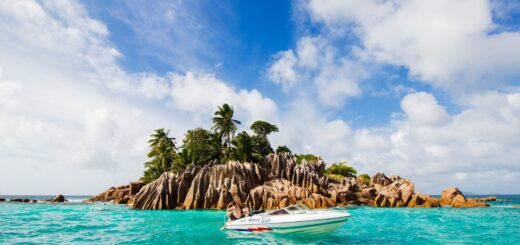
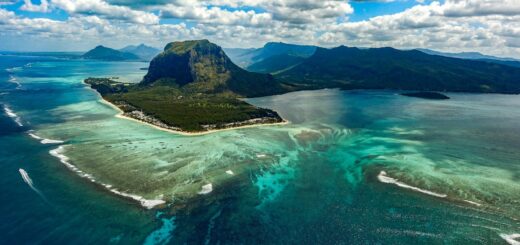
The Seychelles archipelago, consisting of 115 islands scattered across the western Indian Ocean, is one of the world’s most exclusive and beautiful travel destinations. Granite boulders, palm-fringed beaches (Anse Source d’Argent on La Digue is consistently rated among the world’s most beautiful), crystal-clear turquoise water, and extraordinary biodiversity—including the world’s largest land tortoise (Aldabra) and the endemic coco de mer palm—make the Seychelles a bucket-list destination.
The Seychelles is also one of Africa’s safest and most stable countries, with a high Human Development Index score and political stability. Most Western governments rate it as ‘exercise normal security precautions’—equivalent to a Western European destination. The main risks are environmental: ocean currents, tropical cyclones, and marine life. Crime exists but at low levels. This guide helps tourists make the most of this extraordinary destination safely.
| ✔ Best Time to Visit: April–May and October–November are the calmer inter-monsoon periods with calm seas and moderate wind. June–September brings the southeast trade winds (ideal for windsurfing but rougher seas on some coasts). December–March is hot and humid. Cyclone risk is low but exists December–April. |
2. Security Landscape
The Seychelles has low crime rates overall. Petty theft—bag snatching, theft from hotel rooms and beaches—is the main concern. Victoria (the capital on Mahé) has a small urban crime problem. Drug trafficking and drug use is a growing issue in the Seychelles; this feeds some petty crime. The country saw a period of piracy concerns in the early 2010s (Indian Ocean piracy from Somalia) but this has largely been contained; private yachts venturing far from the main islands should still monitor maritime security advisories.
Praslin and La Digue are very safe and small enough that crime is minimal. Outer islands (especially Aldabra) are extremely remote and require chartered vessel access. Night movement in Victoria requires the same caution as any small capital city.
| ⚠ Drug Problem: Heroin use is a significant social problem in the Seychelles (per capita, one of the highest in the world), fed by Indian Ocean trafficking routes. This drives some petty crime. Do not purchase or accept drugs under any circumstances—penalties are severe and the social environment around hard drug use is unpredictable. |
3. Main Islands & Beaches
Mahé
The main island, hosting the capital Victoria and the international airport. Most hotels are in the northwest (Beau Vallon beach area) or the northwest coast. Beau Vallon is a long sandy beach with good facilities. The interior highland areas (Morne Seychellois National Park) have hiking trails. Mahé’s southeast coast has strong currents on some beaches—check local advice before swimming.
Praslin
Home to Vallée de Mai (UNESCO—the coco de mer palm forest, home of the world’s largest seed) and the beautiful Anse Lazio beach. Praslin is quiet and relatively crime-free. A 15-minute ferry from Mahé.
La Digue
The third-largest island, famous for Anse Source d’Argent—massive granite boulders and turquoise water. The island is accessed by ferry from Praslin (15 min). The main transport is bicycle. Very safe and peaceful.
4. Water Safety
The Seychelles’ greatest physical risks are oceanic. Southeast monsoon season (June–September) brings rough seas on south and west-facing beaches. Northwest monsoon (November–March) affects north and east-facing coasts. Always check which side of the island is the calm side for swimming at any given time. Hotel staff can advise.
Rip currents can be strong at some beaches. Never swim alone. The northwest beaches of Mahé (Beau Vallon) are generally safe year-round. The beautiful but remote beaches (Anse Intendance, Anse Cocos on La Digue’s far side) can have very strong currents and have caused drownings—treat with extreme respect. Observe all warning flags and signs.
| ⚠ Remote Beach Currents: Some of the most stunning beaches in the Seychelles—Anse Cocos (La Digue), Anse Intendance (Mahé)—have powerful rip currents and shore break that have killed experienced swimmers. Beautiful does not mean safe. Enquire locally before entering the water at any unfamiliar beach. |
5. Health & Medical Safety
The Seychelles has no malaria. Yellow fever vaccination is required only if arriving from an endemic country. Dengue fever occurs in outbreaks—use DEET repellent. Chikungunya has been present. Medical facilities are good by regional standards: Seychelles Hospital (Victoria, Mahé) provides reasonable care; private clinics are available. Praslin and La Digue have district hospitals but serious cases are transferred to Mahé. Medical evacuation insurance is advisable for serious emergencies. Sunburn and dehydration are common visitor health issues—use high-factor sunscreen and stay hydrated.
6. Common Scams & How to Avoid Them
| Scam Name | How It Works | How to Avoid It |
| Taxi Overcharging | Seychelles taxis are metered (officially) but some drivers claim the metre is broken or use unofficial rates. | Insist on the metre. If not available, agree a firm price before departure using rates from your hotel. Seychelles taxis are expensive—factor this into your budget. |
| Excursion Price Inflation | Independent boat operators near popular beaches quote prices well above market for snorkelling and island-hopping trips. | Book excursions through your hotel or reputable agencies. Compare multiple quotes. All operators should be registered with the Seychelles Tourism Board. |
| Overpriced Craft Market Goods | Victoria’s Sir Selwyn Clarke Market and craft stalls quote tourist prices. | Prices in Seychelles are generally high—it is an expensive destination. Research typical costs for souvenirs (vanilla, coconut products, model boats) to know when you are being significantly overcharged. |
| Coco de Mer Fraud | Vendors sell fake or undersized coco de mer nuts claiming they are Vallée de Mai certified. | Purchase coco de mer only from Vallée de Mai or government-licensed dealers with official stamps. Look for the SIBA export certificate. |
| Hotel Wi-Fi Phishing | Fake hotel Wi-Fi networks capture banking logins. | Use only password-protected, verified hotel Wi-Fi. Avoid accessing banking while on public/hotel networks—use mobile data instead. |
| Tour Operator Overbooking | Some smaller operators oversell trips and cancel or drastically downgrade the experience. | Read TripAdvisor reviews. Book with established operators. Pay by credit card where possible for protection. |
7. Legal & Cultural Considerations
Seychelles is a secular republic with a Creole culture. Homosexuality is legal (decriminalised 2016). Drug laws are strict—possession of cannabis carries heavy penalties. Photography is generally unrestricted outside government buildings. The Seychelles takes marine conservation extremely seriously—do not remove any marine life, shells, or coral from the ocean. This is illegal and results in heavy fines.
| ✔ Environmental Respect: The Seychelles’ extraordinary biodiversity is protected by strict environmental laws. Do not purchase products made from turtle shell, whale bones, or other protected species. Do not remove shells, coral, or plants. Tortoise sanctuaries require respectful behaviour—do not disturb or feed the giant tortoises. |
8. Emergency Contacts
| Service | Number / Info |
| Police | 999 |
| Fire | 999 |
| Ambulance | 999 |
| Seychelles Hospital Victoria | +248 438 8000 |
| Praslin District Hospital | +248 423 2333 |
| US Embassy (Pretoria handles Seychelles) | +27 12 431 4000 |
| British High Commission Victoria | +248 428 3666 |
| Seychelles Coast Guard (maritime) | +248 432 4040 |
9. Pre-Departure Safety Checklist
- Check monsoon season for planned travel—know which beach sides are calm
- Get Yellow Fever vaccination if required (check origin country)
- Pack DEET repellent for dengue prevention
- Purchase travel insurance including water sports coverage
- Familiarise yourself with SCR (Seychelles Rupee) denominations
- Book ferries between islands in advance (can sell out in high season)
- Pack high-factor sunscreen (SPF 50+)—equatorial sun is intense
- Research coco de mer purchase regulations before buying
- Know emergency beach safety rules—swim flags, no swimming alone
- Register with your embassy if staying more than 2 weeks