How to Stay Safe in Namibia
1. Introduction
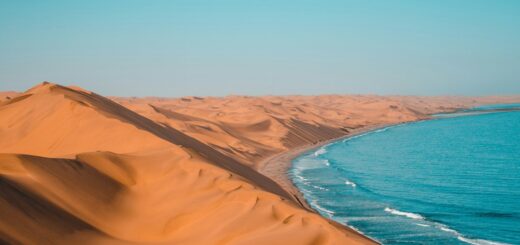
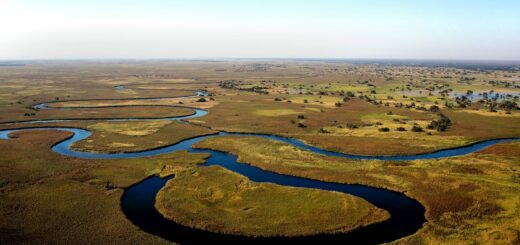
Namibia is one of Africa’s most spectacular and least-crowded safari destinations—a vast, sparsely populated country (the second least densely populated in the world after Mongolia) with extraordinary landscapes: the world’s oldest desert (Namib Desert, 80 million years old), the towering red dunes of Sossusvlei, Etosha National Park (one of Africa’s best game reserves), the Skeleton Coast (where the Namib meets the Atlantic), the Caprivi/Zambezi Strip (lush floodplains), Damaraland’s ancient rock engravings and desert-adapted elephants, and Fish River Canyon (the world’s second-largest canyon).
Namibia is one of Africa’s safest and best-governed countries. Most Western governments rate it as ‘exercise normal security precautions.’ Crime exists but at manageable levels. Road networks are excellent by African standards, making self-drive safari popular and accessible. Infrastructure, though spread thin across a huge area, is well-maintained. This is an outstanding destination for both first-time African visitors and experienced travellers.
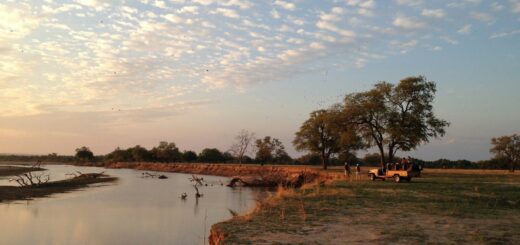
| ✔ Self-Drive Safari: Namibia is the premier self-drive safari destination in Africa. Gravel roads are well-maintained, distances are clearly signposted, and infrastructure at campsites and lodges is reliable. A good 4WD (or at minimum high-clearance 2WD) with a paper map (GPS can be unreliable in remote areas) and emergency supplies makes for an extraordinary independent adventure. |
2. Security Landscape
Windhoek (the capital) has moderate crime—mugging and bag snatching in the central business district (Independence Avenue area and around the backpacker hostels), car break-ins, and occasional violent crime in some townships. Katutura (a township northwest of the centre) has higher crime levels. The Klein Windhoek and Olympia areas (suburbs) are safer. Night movement in the CBD should be avoided on foot.
Swakopmund and Walvis Bay on the coast are generally safe and walkable—Swakopmund especially has a pleasant small-town atmosphere. The tourist-oriented safari areas (Etosha, Sossusvlei, Damaraland, Skeleton Coast) have extremely low crime. The Caprivi Strip (Namibia’s northeast, bordering Zambia, Botswana, and Zimbabwe) has had some security incidents relating to drug trafficking and cross-border crime.
| ⚠ Desert Driving Hazards: Namibia’s greatest safety risk is environmental, not criminal. The Namib Desert is one of the most inhospitable environments on Earth. Breakdowns in remote areas can be life-threatening. Always carry excess water (minimum 5 litres per person per day), emergency food, first aid, satellite communication, and a high-lift jack. Tell someone your route. |
3. Key Destinations
Sossusvlei & Deadvlei
The iconic red dunes and bleached clay pans of Sossusvlei and Deadvlei are Namibia’s most photographed landscapes. Arrive at the dunes before sunrise (4am gate opening) for the best colours and manageable heat. Temperatures exceed 50°C by mid-morning. Carry abundant water. The walk to Deadvlei is 1km each way on deep sand—harder than it looks in the heat.
Etosha National Park
Etosha is built around a vast salt pan visible from space. Waterholes (particularly Okaukuejo and Halali) provide extraordinary wildlife viewing—elephant, lion, leopard, cheetah, rhino, and hundreds of bird species come to drink. Game drives are self-drive or guided from the camps. Etosha is fenced, making it safer than unfenced parks.
Skeleton Coast
The Skeleton Coast is one of the world’s most dramatic and remote coastal wildernesses—shipwrecks, fog, seal colonies, and brown hyenas. The central and northern sections are largely off-limits to self-drive; fly-in lodges are the only access. The southern section (between Swakopmund and Torra Bay) is accessible to self-drivers.
4. Transportation Safety
Namibia’s main roads (B-roads) are paved and in excellent condition. Secondary roads (C-roads) and tertiary (D-roads) are gravel—well-maintained but require careful driving. Gravel roads require lower speeds (80km/h max), wider turning radius, and greater stopping distances. Beware of ‘corrugations’ (ripples) that can cause loss of control. Never swerve hard on gravel—slow down gradually instead.
Night driving is strongly discouraged—Namibia has abundant wildlife including jackals, porcupines, and larger animals that cross roads at night. Oryx in particular stand in the road at night and are large enough to total a vehicle. Windhoek Hosea Kutako International Airport connects to Frankfurt, London, Johannesburg, Cape Town, and regional hubs.
| ✔ Tyre Blowouts: Tyre punctures are the most common vehicle incident in Namibia on gravel roads. Always carry two spare tyres (not just one) for remote travel. Ensure the vehicle jack is functional before departing. Carry a tyre repair kit. Slow down on rough sections. |
5. Health & Medical Safety
Malaria is present in northern Namibia (Caprivi/Zambezi Strip, Kavango, Kunene regions) and Etosha during the rainy season. Windhoek, the coast, and the south are malaria-free. Yellow fever vaccination is required if arriving from endemic countries. Sunburn and dehydration are the most common health issues for tourists. Medical facilities in Windhoek (Medi Clinic Windhoek, Rhino Park Private Hospital) are good by African standards. Swakopmund and other towns have hospitals. In remote areas, medical support is very far away—carry a comprehensive first-aid kit.
6. Common Scams & How to Avoid Them
| Scam Name | How It Works | How to Avoid It |
| Windhoek CBD Pickpockets | The Post Street Mall and Independence Avenue area have pickpockets targeting tourists. | Keep valuables secured. Use a front-facing bag. Avoid wearing expensive jewellery in the CBD. |
| Craft Market Overpricing | At Katutura open market and street stalls, tourist prices are quoted. | Research fair prices. Bargain respectfully. The quality of Namibian crafts (basketry, woodcarving, semi-precious stones) is genuinely high. |
| Car Hire Damage Disputes | Some car hire companies claim damage to returned vehicles and demand payment for pre-existing scratches. | Photograph every part of the vehicle thoroughly before driving off the lot. Get staff to sign a pre-existing damage form. Use reputable companies (Avis, Budget, Europcar). |
| Petrol Station Overcharging | In very remote areas, some petrol stations charge above official rates. | Fill up at Windhoek and major towns. Know the official fuel price. Pay only the metered amount. |
| Wildlife ‘Interactions’ Fees | Near the Skeleton Coast and in some conservancy areas, individuals claim fees for allowing photography of wildlife. | Wildlife is not owned by individuals. Use official parks and registered conservancies. Pay fees only at official gates. |
| Swakopmund Activity Overcharging | Quad biking, sandboarding, and parachuting operators in Swakopmund quote tourist prices. | Compare quotes from multiple operators. Book through established Swakopmund agencies with reviews. |
7. Legal Considerations
Namibia has progressive laws. Homosexuality is technically not explicitly criminalised (laws are complex and have been interpreted inconsistently). The Namibian Supreme Court ruled in 2023 that same-sex marriages contracted abroad must be recognised—a significant ruling. Drug laws carry penalties. Photography is generally unrestricted. Drone operation requires CAAN (Civil Aviation Authority of Namibia) permit. Wildlife laws are strict—no collection of fauna or flora.
| ✔ Night Sky: Namibia has some of the world’s darkest skies. The NamibRand Nature Reserve is an International Dark Sky Reserve. Stargazing at desert camps is extraordinary—the Milky Way is clearly visible to the naked eye. |
8. Emergency Contacts
| Service | Number / Info |
| Police Emergency | 10111 |
| Ambulance | 061 211 111 |
| Medi Clinic Windhoek | +264 61 222 687 |
| Rhino Park Private Hospital | +264 61 375 000 |
| US Embassy Windhoek | +264 61 295 8500 |
| British High Commission Windhoek | +264 61 274 800 |
| Namibia Tourism Board | +264 61 290 6000 |
9. Pre-Departure Safety Checklist
- Check current travel advisory (likely ‘normal precautions’)
- Get Yellow Fever vaccination if required
- Get antimalarials for northern areas (Caprivi, Kavango, Etosha in wet season)
- Purchase travel insurance with evacuation coverage
- For self-drive: book a 4WD with good clearance; take two spare tyres for remote areas
- Pre-load offline maps (OsmAnd, iOverlander) for Namibia
- Carry minimum 5 litres water per person per day for desert travel
- Book Etosha and Sossusvlei accommodation months in advance—fills up quickly
- Tell someone your route and expected check-in times for remote drives
- Photograph entire rental car before driving off the lot