How to Stay Safe in Mozambique
1. Introduction
Mozambique, stretching 2,500km along the southeastern African coast, offers some of the Indian Ocean’s most spectacular marine environments: the Quirimbas Archipelago, Bazaruto Archipelago, Pemba’s beaches, and world-class dive sites at Tofo. The country is rebuilding after devastating floods from Cyclone Idai (2019) and Cyclone Kenneth (2019), which killed over 1,000 people and displaced hundreds of thousands. A 16-year civil war (ended 1992) and a peace deal with RENAMO rebels in 2019 have brought relative national stability—but a new crisis has emerged in the north.
The Cabo Delgado province in the far north has been the site of a brutal Islamist insurgency since 2017, killing thousands and displacing nearly one million people. This has severely impacted the Quirimbas Archipelago (previously a premier eco-tourism destination) and the Amarula LNG project. Most of Mozambique is unaffected by this conflict, but Cabo Delgado represents a genuine do-not-travel zone.
| ⚠ Cabo Delgado Crisis: Cabo Delgado province carries a DO NOT TRAVEL advisory from virtually all Western governments. The insurgency (ISIS-affiliated Ansar al-Sunna, locally known as Al-Shabaab) has attacked towns, committed mass atrocities against civilians, and specifically targeted infrastructure. Do not travel to Cabo Delgado province. |
2. Security Landscape
Maputo, the capital, has a significant crime problem. Armed robbery, carjacking, mugging, and bag snatching occur regularly. The Baixa (city centre), Praça do Município, and areas around bus stations are higher-risk. Residential areas of Sommerschield, Polana, and the Marginal are more manageable but still require precautions. Night movement on foot is not recommended in most of Maputo.
Pemba (gateway to the north, now affected by regional conflict), Beira, and Nampula are other significant cities with moderate-to-high urban crime. Tofo beach and the Bazaruto Archipelago are popular with tourists and have lower crime levels, though robbery on isolated beaches has been reported.
| ⚠ Carjacking in Maputo: Carjacking occurs in Maputo, particularly near banks and ATMs. Do not use ATMs after dark. Keep car doors locked and windows up. Park in well-lit, secured areas. Use hotel transport rather than flagging taxis on the street. |
3. Key Tourist Areas
Maputo
Maputo is a gritty, vibrant city with interesting Portuguese colonial architecture, excellent seafood (particularly the famous prawns), and a growing arts scene. The Fortaleza (colonial fort), Natural History Museum, and Mercado Central are worth visiting. Stay in Sommerschield or Polana; these are the safer neighbourhoods for international visitors.
Tofo Beach
Tofo, near Inhambane, is famous for manta ray and whale shark diving—one of the most reliable sites in the world. The town is relatively calm with a backpacker-friendly atmosphere. Take a 4WD if driving from Inhambane. Don’t walk to isolated sections of beach alone.
Bazaruto Archipelago
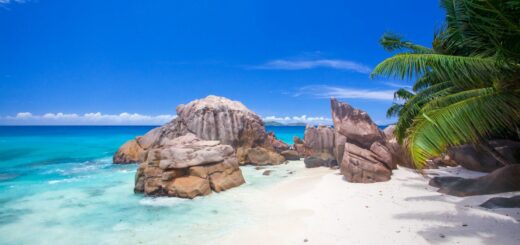
The Bazaruto Archipelago offers pristine beaches, dugongs, and exceptional diving. Access is by charter flight from Vilanculos. The islands themselves are very safe within lodges—but journey logistics require planning.
4. Transportation Safety
Roads in Mozambique are poor outside main routes. The EN1 (main north-south highway) is paved but has sections in poor repair. Road accidents are frequent. Chapas (minibuses) are cheap, overcrowded, and crash-prone. For tourism, hiring a 4WD with experienced driver or using organised tours is strongly recommended. Night driving is extremely hazardous throughout the country.
Maputo’s international airport connects to Johannesburg, Nairobi, Addis Ababa, and regional cities. LAM (Linhas Aéreas de Moçambique) flies domestically to Beira, Nampula, Inhambane, Pemba, and Vilanculos. Boat transfers serve island destinations from mainland ports. Ferries crossing the Zambezi River operate at several points—check vessel condition.
5. Health & Medical Safety
Malaria is endemic throughout Mozambique and is a significant health risk. Yellow fever vaccination is required if arriving from endemic countries. Cholera outbreaks occur, particularly after floods. HIV prevalence is very high (approximately 12% nationally). Typhoid, hepatitis, and bilharzia (in freshwater bodies) are all present. Mozambique was devastated by the 2019 cyclones; some areas had long-term water and sanitation contamination.
Medical facilities are very limited. Maputo has some private clinics (Clínica de Sommerschield, 24-hour Clínica Cruz Azul) with limited but reasonable care. Outside Maputo, facilities are extremely basic. Medical evacuation to Johannesburg (approximately 1 hour by air) is the standard for serious illness. Evacuation insurance is essential.
6. Common Scams & How to Avoid Them
| Scam Name | How It Works | How to Avoid It |
| ATM Robbery | Criminals observe tourists at ATMs and follow them to rob them shortly afterwards. | Use ATMs inside banks during banking hours only. Never use street ATMs at night. Have someone with you. |
| Taxi Overcharging | Taxis lack metres; tourist rates are quoted by default. | Ask your hotel for standard fares. Negotiate before entering. Use hotel-arranged transport where possible. |
| Beach Theft | Belongings left on the beach while swimming are stolen. | Never leave valuables unattended on the beach. Use hotel-recommended staffed beach areas. |
| ‘Helpful Stranger’ Setup | A friendly local offers to help with directions or currency, then picks your pocket or involves accomplices. | Politely decline help from strangers in busy areas. Keep belongings secured. |
| Border Crossing Bribe Demand | Officials at land border crossings (Ressano Garcia, Lebombo from South Africa) demand unofficial fees. | Know the official fees. Request official receipts. Keep your cool—the crossing is much busier and will clear faster. |
| Fake Wildlife Guides | Near Gorongosa or Limpopo National Parks, unofficial guides offer services without credentials. | Use only park-endorsed guides. Book through official park contacts or established operators. |
7. Legal & Cultural Considerations
Mozambique is a relatively progressive society by regional standards. Homosexuality is legal (decriminalised in 2015). Drug possession carries serious penalties. Photography of military and government buildings is restricted; always ask before photographing near official structures.
Mozambique’s culture reflects its history: a mix of Bantu African traditions, Arab coastal trading influence, and Portuguese colonial legacy. Portuguese is the official language. English is spoken in tourist areas and by the urban educated class. The coastal Muslim communities in the north have distinct traditions; dress modestly when visiting mosques or traditional villages.
| ✔ Mozambican Prawns: Maputo is famous for its enormous, flavourful prawns (camarões)—often served piri-piri style. The Marginal seafront restaurants are the place to try them. This is one of Africa’s great culinary experiences and is safe at established restaurants. |
8. Emergency Contacts
| Service | Number / Info |
| Police Emergency | 119 |
| Fire | 198 |
| Clínica de Sommerschield Maputo | +258 21 493 924 |
| Clínica Cruz Azul Maputo | +258 21 303 800 |
| US Embassy Maputo | +258 21 492 797 |
| British High Commission Maputo | +258 21 356 000 |
| South African High Commission Maputo | +258 21 490 059 |
9. Pre-Departure Safety Checklist
- Check Cabo Delgado advisory—DO NOT TRAVEL to this province
- Get Yellow Fever vaccination if required by your origin country
- Begin antimalarials before departure
- Purchase comprehensive evacuation insurance
- Book accommodation in advance—options in remote areas are limited
- Arrange airport transfer through your hotel—do not use street taxis at airport
- Carry South African Rand, USD, and Mozambican Metical (MZN)
- Download offline maps and basic Portuguese phrasebook
- Do not use ATMs after dark or in isolated locations
- Register with your embassy before travel