How to stay safe in Angola
1. Introduction
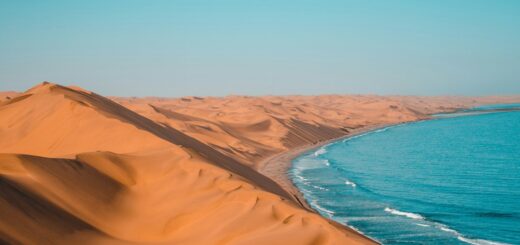
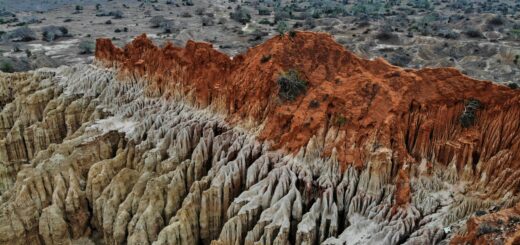
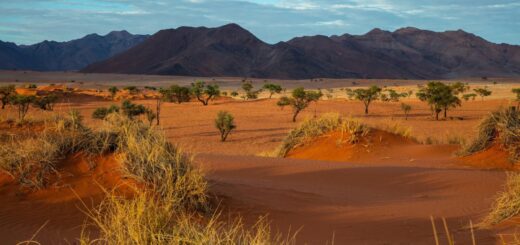
Angola is a large southern African nation with a turbulent history—a brutal 27-year civil war (1975–2002) left millions dead, displaced, and the country mined across vast areas. Since the 2002 peace agreement, Angola has rebuilt rapidly, fuelled by oil revenues. Luanda, the capital, is one of Africa’s most expensive cities due to the oil economy, with high costs for accommodation and services. Angola has striking natural attractions: the dramatic Namib Desert meeting the Atlantic at the Skeleton Coast extension, the Kissama National Park (elephant relocation project), and the Miradouro da Lua (Moon Valley) near Luanda.
Tourism infrastructure is still developing. Landmines remain a hazard in some former conflict areas. Most Western governments advise ‘exercise a high degree of caution.’ The country is improving in governance and security under President João Lourenço (in power since 2017), who has pursued significant anti-corruption measures.
| ⚠ Landmines: Angola has one of the highest concentrations of landmines and unexploded ordnance (UXO) in the world from the civil war. Never leave established roads or paths in rural areas. Do not touch unfamiliar metal objects. Consult HALO Trust demining maps before rural travel. |
2. Security Landscape
Luanda has significant urban crime—armed robbery, carjacking, mugging, and bag snatching are documented. The Roque Santeiro market area, Cazenga, and parts of the musseques (urban slums) are high-crime areas. Expat-residential areas (Miramar, Ingombota, Talatona) are safer. Night movement requires caution. Carjacking at traffic lights is a risk.
Outside Luanda, crime levels are generally lower but infrastructure is severely limited. Cabinda Province (a non-contiguous territory in the north, separated from Angola by DRC territory) has a low-level separatist conflict. The Cunene border area with Namibia is affected by cattle-related violence between communities.
| ⚠ Carjacking: Carjacking at traffic lights, particularly in Luanda, is a documented risk. Keep windows up and doors locked. Avoid leaving valuables visible in vehicles. Use hotel transport or trusted car services rather than self-driving at night. |
3. Transportation Safety
Roads in Angola outside Luanda are in poor-to-variable condition. The main routes have been improved with Chinese investment but secondary roads are often unpaved or in disrepair. 4WD is recommended for most travel outside main cities. Candongueiros (shared taxis/minibuses) are the local transport—overcrowded and accident-prone. Hiring a private vehicle with driver is strongly recommended for tourists.
TAAG Angola Airlines operates domestic flights to Cabinda, Lubango, Huambo, Malanje, and other cities. International connections are through Luanda’s Quatro de Fevereiro Airport. Flying for intercity travel is strongly recommended over road travel for any significant distance.
4. Health & Medical Safety
Yellow fever is endemic in Angola—vaccination is strictly required for entry. Malaria is highly prevalent throughout the country. Cholera, typhoid, hepatitis, and sleeping sickness are present. Medical facilities in Luanda have improved and include several private hospitals (Clínica Girassol, Hospital Multiperfil) with reasonable care for an African capital. Outside Luanda, medical care is very limited. Medical evacuation insurance is essential for travel outside the capital.
5. Common Scams & How to Avoid Them
| Scam Name | How It Works | How to Avoid It |
| Taxi Overcharging | Taxis in Luanda have no metres; tourist prices are the default. | Use hotel-arranged transport. Negotiate firmly. Know that Luanda is genuinely expensive—even fair prices are high. |
| Currency Exchange Fraud | Informal changers shortchange tourists. The Kwanza (AOA) is unfamiliar. | Exchange at banks or hotel desks only. Familiarise yourself with AOA denominations. |
| Fake Police Stop | Individuals in plain clothes claim police status and demand documents/payment. | Ask for official ID and request to go to the nearest police station. Call your organisation or embassy. |
| Checkpoint Demands | Official police and military checkpoints can demand unofficial payments. | Stay calm. Carry document photocopies. Request official receipts for any claimed fines. |
| Airport Hustlers | Touts at Quatro de Fevereiro Airport compete for luggage and redirect tourists. | Arrange airport pickup before arrival. Decline all unsolicited assistance. |
6. Legal & Cultural Considerations
Angola decriminalised homosexuality in 2019—a significant progressive step for the region. Drug possession carries severe penalties. Photography of military, government buildings, ports, airports, and oil infrastructure is strictly prohibited—Angola is serious about this.
Portuguese is the official language. English is spoken in some business and international hotel contexts but is not widely understood. Angolan culture blends Bantu traditions with Portuguese colonial influence—Catholic Christianity is practised alongside indigenous traditions.
7. Emergency Contacts
| Service | Number / Info |
| Police Emergency | 113 |
| Fire | 115 |
| Ambulance | 116 |
| Clínica Girassol Luanda | +244 222 448 900 |
| Hospital Multiperfil Luanda | +244 222 448 900 |
| US Embassy Luanda | +244 222 641 000 |
| British Embassy Luanda | +244 222 334 582 |
8. Pre-Departure Safety Checklist
- Yellow Fever vaccination is MANDATORY for entry to Angola
- Begin antimalarials before departure
- Purchase comprehensive travel and evacuation insurance
- Research landmine-affected areas before any rural travel
- Book accommodation in advance—Luanda is extremely expensive
- Arrange airport pickup through your hotel before arrival
- Carry USD cash—the Kwanza is hard to exchange outside Angola
- Download offline maps—connectivity is limited outside Luanda
- Register with your embassy before travel
- Never leave established roads or paths in former conflict rural areas