How to Stay Safe in Chad
1. Introduction & CRITICAL WARNING
| ⚠ High Risk Destination: Chad is rated ‘exercise extreme caution’ or ‘reconsider travel’ by most Western governments. The country shares borders with six countries, several of which are in active conflict. The Lake Chad Basin faces ongoing Boko Haram/ISWAP insurgency. Eastern Chad has armed rebel groups. Libya’s instability spills across the northern border. Sudan’s civil war creates pressures on the eastern border. Chad itself experienced a political transition after the death of longtime president Idriss Déby in 2021 and has had recent coup attempts. |
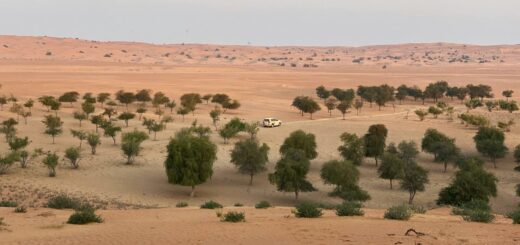
Chad is one of the world’s harshest and most remote environments. A vast landlocked country covered by the Sahara Desert in the north and semi-arid Sahel in the south, it has some spectacular natural features—the Ennedi Plateau (a UNESCO World Heritage Site), the Tibesti Mountains, and what remains of Lake Chad. Reaching these attractions safely has become extremely difficult given the security situation.
Tourism is minimal and tourism infrastructure essentially non-existent. This guide is provided for humanitarian workers, researchers, and those with specific and compelling operational reasons to visit.
2. Security Landscape
N’Djamena, the capital, is relatively more stable than the rest of the country. It has significant military and police presence, along with a substantial UN and humanitarian community. However, N’Djamena has experienced terrorist bombings in the past and political violence can erupt rapidly. The Lake Chad region (western and southwestern Chad) is regularly targeted by Boko Haram and ISWAP—there have been mass casualty attacks on civilians and military.
Eastern Chad (bordering Sudan and CAR) hosts hundreds of thousands of Sudanese refugees and has armed rebel activity. The far north (Tibesti) has been inaccessible for years due to rebel activity and the closure of the Libya border region to civilians. Landmines are present in conflict areas.
| ⚠ Lake Chad Region: The Lake Chad region is an active conflict zone. Boko Haram has conducted mass casualty attacks here. Do not travel to the Lake Chad area under any circumstances. |
3. N’Djamena Basics
N’Djamena sits on the Chari River (border with Cameroon). International hotels (Novotel, Kempinski) provide the primary expat-standard accommodation with security measures. The diplomatic quarter has some degree of protected access. Power cuts are frequent. Movement should be minimised and planned. Avoid night movement. The Grand Marché (main market) has petty theft concerns during the day.
4. Transportation
Flying into N’Djamena via Addis Ababa, Casablanca, or Paris is the only safe entry option. All road travel outside N’Djamena carries significant risk. The route south to Moundou and Sarh passes through relatively stable territory but road conditions are terrible and security is variable. North of N’Djamena is not safe for any civilian travel. Hiring 4WD vehicles with experienced drivers through established operators is the minimum standard for any road movement.
| ⚠ Saharan Travel: The Ennedi Plateau and Tibesti Mountains—Chad’s most spectacular landscapes—are effectively inaccessible due to security conditions. Do not attempt to travel to these areas. Tour operators may continue to offer trips; verify current security conditions with your embassy before accepting any operator’s assessment. |
5. Health & Medical Safety
Health risks are severe. Malaria is endemic in southern Chad. Yellow fever vaccination is required. Meningitis is a major risk (Chad is in the ‘meningitis belt’). Cholera, typhoid, and hepatitis are common. The extreme heat of the Saharan north (50°C+/122°F+) creates serious risks of heat stroke and dehydration. Water is scarce in the north. Medical facilities in N’Djamena are inadequate; outside the capital they are essentially non-existent. Medical evacuation to Yaoundé or Europe is required for any serious illness.
| ⚠ Heat in the Sahara: Temperatures in northern Chad are among the highest on Earth. A heat casualty in a remote desert area with no medical support is life-threatening. This is not a risk environment for unprepared travellers. |
6. Key Risks & Scams
| Scam Name | How It Works | How to Avoid It |
| Checkpoint Extortion | Military and police checkpoints throughout Chad demand payments for transit. | Remain calm, carry document photocopies, and work through your organisation’s protocols. |
| Desert Trek Abandonment | Guides accept payment for desert expeditions then abandon tourists or provide inadequate supplies. | Use only operators with verified track records and references from NGO community. Never pay full fee upfront. |
| Counterfeit Currency | Counterfeit CFA francs in circulation. | Exchange only at official banks. |
| Refugee Camp Approach | Individuals near refugee camps claim to be facilitating access for a fee. | Access to refugee camps requires official authorisation from UNHCR and relevant authorities. Never pay individuals for access. |
| Official Bribery Demand | Officials request money for permits, photography authorisation, or document review. | Request official paperwork. Work through your organisation’s established relationships. |
7. Emergency Contacts
| Service | Number / Info |
| Police Emergency (N’Djamena) | +235 251 44 42 |
| SAMU Ambulance | +235 252 14 42 |
| Hôpital de la Renaissance N’Djamena | +235 251 51 09 |
| French Embassy N’Djamena | +235 252 25 75 |
| US Embassy N’Djamena | +235 251 70 09 |
| UNHCR Chad | +235 252 49 45 |
8. Pre-Departure Checklist
- Read full government travel advisory and contact your embassy for briefing
- Obtain Yellow Fever vaccination and meningococcal meningitis vaccination
- Begin antimalarials before departure
- Purchase K&R and evacuation insurance
- Register with embassy before and immediately after arrival
- Arrange vetted transport and guide through established operators only
- Carry satellite communications for any travel outside N’Djamena
- Maintain abundant water supplies (5+ litres/day in Saharan environments)
- Share detailed itinerary with multiple trusted contacts
- Know your evacuation plan before you need it