How to Stay Safe in Democratic Republic of the Congo (DRC)
1. Introduction
The Democratic Republic of the Congo is Africa’s second-largest country by area and one of its most biodiverse—home to the Congo Basin rainforest (the world’s second-largest tropical forest), mountain gorillas in Virunga National Park, okapi, forest elephants, and extraordinary birdlife. Despite immense natural wealth in minerals (coltan, cobalt, gold, diamonds), the DRC has been devastated by decades of conflict, predatory governance, and humanitarian crises.
The eastern DRC has been in a state of armed conflict for over 25 years. Dozens of armed groups, including the M23 rebel movement (backed by Rwanda), FDLR (Rwandan Hutu ex-génocidaires), Mai-Mai militias, and ADF (Allied Democratic Forces, an ISIS-affiliated group), operate in North Kivu, South Kivu, Ituri, and Maniema. The conflict has caused one of the world’s worst humanitarian crises. However, Kinshasa (the capital) and some specific tourist sites are accessible with proper preparation.
| ⚠ Eastern DRC: The eastern provinces of North Kivu, South Kivu, Ituri, Tanganyika, and Maniema carry DO NOT TRAVEL designations from virtually all Western governments due to active armed conflict, mass displacement, and extreme violence. This includes the area around Goma city itself, which has been under threat from M23 advances. Verify current conditions before any gorilla trekking plans. |
2. Security Landscape
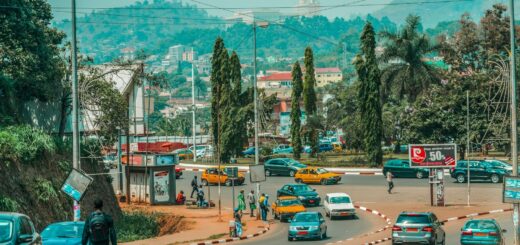
Kinshasa, the sprawling capital of approximately 15 million people on the Congo River, is separate from the eastern conflict zones but has its own significant security challenges. Urban crime—armed robbery, carjacking, pickpocketing—is prevalent. Congolese police and military have been implicated in robberies and extortion themselves. Riots and political violence have occurred, particularly around elections.
The Congo River and its tributaries connect the country but boat travel is hazardous—overcrowded ferries have sunk with mass casualties. Air travel (with cautious operator selection) is the safest way to move between major cities. Road travel outside Kinshasa is extremely challenging due to near-total absence of paved roads in most of the interior.
| ⚠ Police Extortion: Congolese police and military regularly demand bribes at checkpoints, on streets, and at government offices. This is a systemic reality. Remain calm and polite. Small payments may be unavoidable. Never resist aggressively. |
3. Virunga National Park & Gorilla Trekking
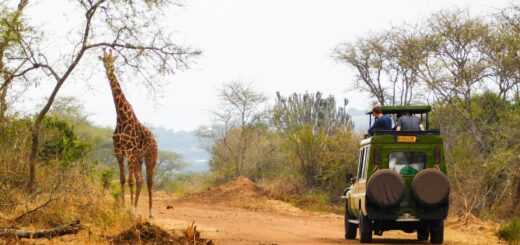
Virunga National Park is one of Africa’s most extraordinary destinations—a UNESCO World Heritage Site with more biodiversity per square kilometre than anywhere on Earth. Mountain gorilla trekking, chimpanzee tracking, and ascents of Nyiragongo volcano (an active lava lake) attract dedicated visitors. The park is headquartered in Rumangabo; gorilla sectors are near Bukima.
However, Virunga operates in one of the world’s most active conflict zones. The park has been closed and reopened multiple times due to armed group activity. Rangers have been killed defending the park. In 2021, several tourists and rangers were killed in an ambush near the park. The M23 offensive of 2022–2024 brought armed conflict very close to Goma and Virunga.
| ⚠ Check Current Status Before Booking: Virunga’s operational status changes with security conditions. Do not book gorilla trekking without checking directly with Virunga National Park (www.virunga.org) and your government’s current travel advisory in the weeks before travel. Gorilla permits and park closures change with little notice. |
4. Transportation Safety
Air travel between Kinshasa (N’djili Airport), Lubumbashi, Goma, Kisangani, and other cities is available with several carriers. The safety record of DRC domestic airlines has historically been very poor. Check aviation authority safety ratings for any airline you consider. Flying is still strongly preferred over road or river travel.
River transport on the Congo River and tributaries is feasible for adventurous travellers willing to accept significant delays, discomfort, and safety uncertainty. The famous Kinshasa–Kisangani river journey takes several weeks. Boat capsizings with mass casualties are not uncommon. Only travel on larger, named passenger ferries and avoid overloaded wooden pirogues for long distances.
| ⚠ Aviation Safety: Some DRC carriers have poor maintenance records. The EU air safety list has periodically banned DRC carriers. Verify the current status of any carrier you plan to use before booking. |
5. Health & Medical Safety
The DRC has among the highest disease burden in the world. Malaria is endemic and extremely prevalent—this is a priority health risk. Yellow fever vaccination is required. The DRC has experienced multiple Ebola outbreaks—the 2018–2020 North Kivu/Ituri outbreak was the second largest in history. Cholera, typhoid, plague (in Ituri), sleeping sickness, river blindness, and monkeypox are all present.
Medical facilities are catastrophically inadequate outside a small number of private clinics in Kinshasa. Even Kinshasa’s better options (Clinique Ngaliema, CECO) have limited capacity. In the eastern provinces, medical care is essentially non-existent. Medical evacuation is the only real option for serious illness—purchase comprehensive evacuation insurance.
| ⚠ Ebola Awareness: The DRC has experienced more Ebola outbreaks than any other country. Avoid contact with bushmeat (particularly bats, primates, and forest antelopes). Report any fever with unusual symptoms (bleeding, severe headache) immediately to medical authorities. |
6. Common Scams & How to Avoid Them
| Scam Name | How It Works | How to Avoid It |
| Police/Military Extortion at Checkpoints | Security forces demand payments for passage, document checks, or fabricated violations at numerous checkpoints. | Remain calm and polite. Have document photocopies. Small payments may be unavoidable; work through your organisation’s protocols. |
| Airport Baggage Handlers | Unofficial porters at N’djili Airport take bags and demand large fees or divert tourists to scammers. | Arrange airport pickup with your hotel. Carry your own bags. Decline unsolicited help. |
| Fake Immigration Officials | Individuals at airports claim document problems solvable with immediate payment. | Request official documentation and ask to speak with a supervisor at the official immigration desk. |
| Mineral Trading Fraud | Given DRC’s mineral wealth, scammers offer coltan, gold, or diamonds at below-market prices. | Illegal and fraudulent. Ignore all such offers entirely. |
| Inflated Currency Exchange | Unofficial changers shortchange or pass counterfeit USD (USD is widely used alongside CDF). | Use only bank ATMs or hotel exchange. Familiarise yourself with genuine USD banknote security features. |
| Gorilla Permit Fraud | Fake Virunga permits sold online or through middlemen—worthless on arrival. | Book gorilla permits only directly through Virunga National Park’s official website. |
| Taxi / Moto Robbery | Taxi drivers or motorcycle taxis (boda-boda) rob passengers mid-journey. | Use hotel-arranged transport. Never use motorcycle taxis for anything beyond very short, visible routes. |
7. Legal Considerations
Homosexuality is not explicitly criminalised in DRC civil law (a rarity in the region), but social attitudes are strongly conservative and LGBTQ+ individuals face significant discrimination and potential violence. Extreme discretion is required. Photography of military, police, government buildings, airports, borders, and infrastructure is strictly prohibited and enforced with detention. The DRC has a history of arbitrary arrest and detention of journalists and activists.
| ⚠ Photography: Zero Tolerance: Do not photograph anything that resembles government, military, or infrastructure. This is strictly and seriously enforced in DRC. Cameras are confiscated and detention can follow. Even photographing the Congo River near official installations has caused problems. |
8. Cultural Awareness
DRC is one of the world’s most linguistically and culturally diverse nations—with over 700 languages spoken. French is the official language; Lingala, Swahili, Tshiluba, and Kikongo are national languages spoken across different regions. Kinshasa has a vibrant arts and music culture—Congolese rumba (rumba congolaise) and its derivative soukous have influenced music across Africa and beyond.
| ✔ Kinshasa’s Music Scene: Kinshasa is Africa’s music capital. Live music at venues in Gombe district can be extraordinary. This is one of the genuine joys of visiting the city. Ask your hotel about reputable live music venues with good security reputations. |
9. Emergency Contacts
| Service | Number / Info |
| Police Emergency Kinshasa | 113 |
| Fire Brigade | 118 |
| Clinique Ngaliema Kinshasa | +243 81 704 0038 |
| CECO Hospital Kinshasa | +243 99 999 4444 |
| US Embassy Kinshasa | +243 81 556 0151 |
| French Embassy Kinshasa | +243 81 006 7500 |
| Belgian Embassy Kinshasa | +243 81 703 1009 |
| MONUSCO (UN Mission) | +243 81 890 0123 |
| Virunga National Park (gorilla info) | +243 99 705 6543 |
10. Pre-Departure Safety Checklist
- Check current travel advisory—note eastern provinces DO NOT TRAVEL
- Verify Virunga National Park operational status directly with the park
- Obtain Yellow Fever vaccination certificate (strictly required)
- Begin antimalarials before departure
- Purchase comprehensive evacuation travel insurance
- Register with your embassy before arrival
- Book all transport and accommodation through verified channels
- Carry multiple copies of documents—never surrender originals at checkpoints
- Download offline maps for Kinshasa (Gombe, Limete districts)
- Verify aviation safety status of any domestic carrier you plan to use
- Pack comprehensive first-aid and medical kit
- Book gorilla permits only via official Virunga website