HOW TO STAY SAFE IN TUNISIA
1. Introduction & Country Overview
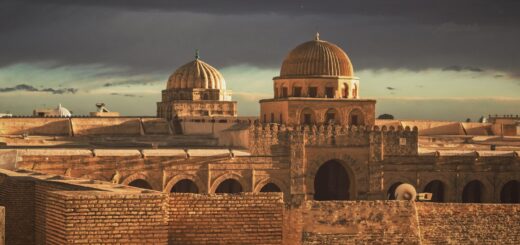
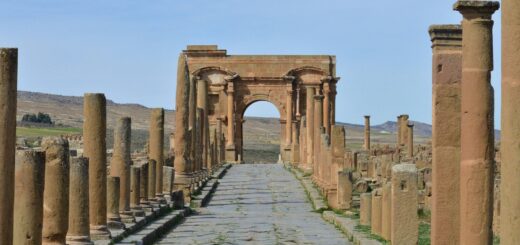
Tunisia is North Africa’s most tourism-oriented country and one of the Mediterranean world’s most historically rich destinations. The ruins of ancient Carthage, the medina of Tunis (a UNESCO World Heritage Site), the Roman amphitheater at El Jem, the desert landscapes of Matmata and Douz, the blue-and-white island of Sidi Bou Said, the beaches of Hammamet and Djerba, and the Star Wars filming locations in the Chott el-Djerid salt flats make Tunisia an extraordinarily diverse destination.
Tunisia was the birthplace of the Arab Spring (December 2010) and has since experienced significant political and security turbulence. Two devastating terrorist attacks on tourists in 2015 — the Bardo National Museum attack (22 killed, mostly tourists) and the Sousse beach attack (38 killed, mostly British tourists) — caused tourist numbers to collapse. Tunisia has since made significant investments in security infrastructure and tourist protection, and visitor numbers have recovered substantially.
Tunisia is generally considered the safest of the Maghreb countries for tourists, with robust beach resort infrastructure and a relatively open, secular social environment. However, ongoing terrorism risks, border security concerns, and petty crime in medinas require informed preparation.
| ⚠ Libya & Algeria Border Zones — Avoid Tunisia’s borders with Libya (particularly the Medenine and Tataouine governorates near Remada and Ben Guerdane) and Algeria (the northwestern Jendouba governorate) carry elevated risk from cross-border militant activity. These are not tourist areas, but travelers heading toward the Saharan south should be aware of proximity to these zones. Check current advisories before planning any routes near these borders. |
2. Understanding the Security Landscape
2.1 Post-2015 Security Transformation
Following the 2015 attacks, Tunisia deployed approximately 20,000 additional security personnel to tourist sites, resorts, and public spaces. Metal detectors are now standard at museum and monument entrances, and beach resorts have dedicated security. The Tunisian security services have disrupted numerous planned attacks since 2015, and no major attacks specifically targeting tourists have occurred since. However, the threat remains and requires ongoing vigilance.
2.2 Key Security Threats
- Terrorism: ISIS and AQIM-linked groups remain active in western mountain regions (Kasserine) and southern border areas. Attacks on Tunisian security forces have continued.
- Petty Theft: Pickpocketing and bag snatching in Tunis medina, souqs, and bus stations.
- Tourist Scams: Morocco-style scams involving fake guides, commission shops, and aggressive tout culture in medinas.
- Harassment: Verbal harassment of women travelers, particularly in less-touristed areas.
- Transportation Fraud: Taxi overcharging, particularly from/to airports.
2.3 Political Situation
President Kais Saied consolidated power through a 2021 constitutional referendum that significantly reduced parliamentary powers. The political situation is stable but authoritarian. Avoid any political demonstrations or protests. Photography of security forces or government buildings requires caution.
3. Safe Areas vs. Areas to Avoid
3.1 Tunis — The Capital
Tunis is generally safe for tourists. Key areas:
- Medina of Tunis: A UNESCO World Heritage Site and one of the best-preserved medieval city centers in the Arab world. Well-patrolled by tourist police. Safe during the day. Exercise caution in peripheral alleys at night.
- Avenue Habib Bourguiba & Ville Nouvelle: The French-colonial new city with wide boulevards, cafes, and hotels. Very safe.
- Sidi Bou Said: The beautiful blue-and-white clifftop village above the Bay of Tunis. One of the most picturesque settings in North Africa. Very safe.
- Northern Suburbs — La Marsa, Gammarth: The suburbs of La Marsa and Gammarth have upscale restaurants and beach clubs. Generally safe.
Areas requiring caution in Tunis:
- Medina’s Peripheral Alleys: The deeper medina alleys are less patrolled. Keep valuables secured and avoid isolated lanes at night.
3.2 Hammamet & Nabeul
Tunisia’s most established tourist resort area. Beach hotels with significant security infrastructure. Generally safe. The medina of Nabeul has potter workshops and is a pleasant day trip.
3.3 Sousse & El Jem
Sousse is the site of the 2015 beach attack. Tourist security has been dramatically enhanced since. The beach areas are now among the most heavily patrolled in Tunisia. The Sousse medina is worth exploring. El Jem’s Roman amphitheater (the third-largest in the world) is extraordinary and safe to visit.
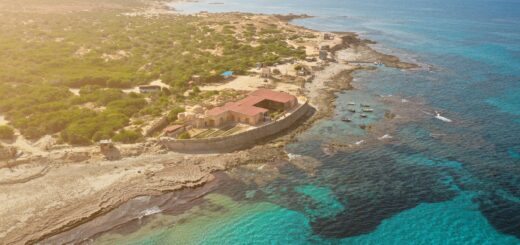
3.4 Djerba Island
A beautiful island with a mix of beach resort culture, the fascinating El Ghriba synagogue (one of Africa’s oldest), and excellent food. Well-established tourist infrastructure. Note: the El Ghriba synagogue has been the target of attacks in the past (2002 attack) and has significant security. Generally safe for tourists.
3.5 Matmata & the Saharan South (Douz, Tozeur, Tataouine)
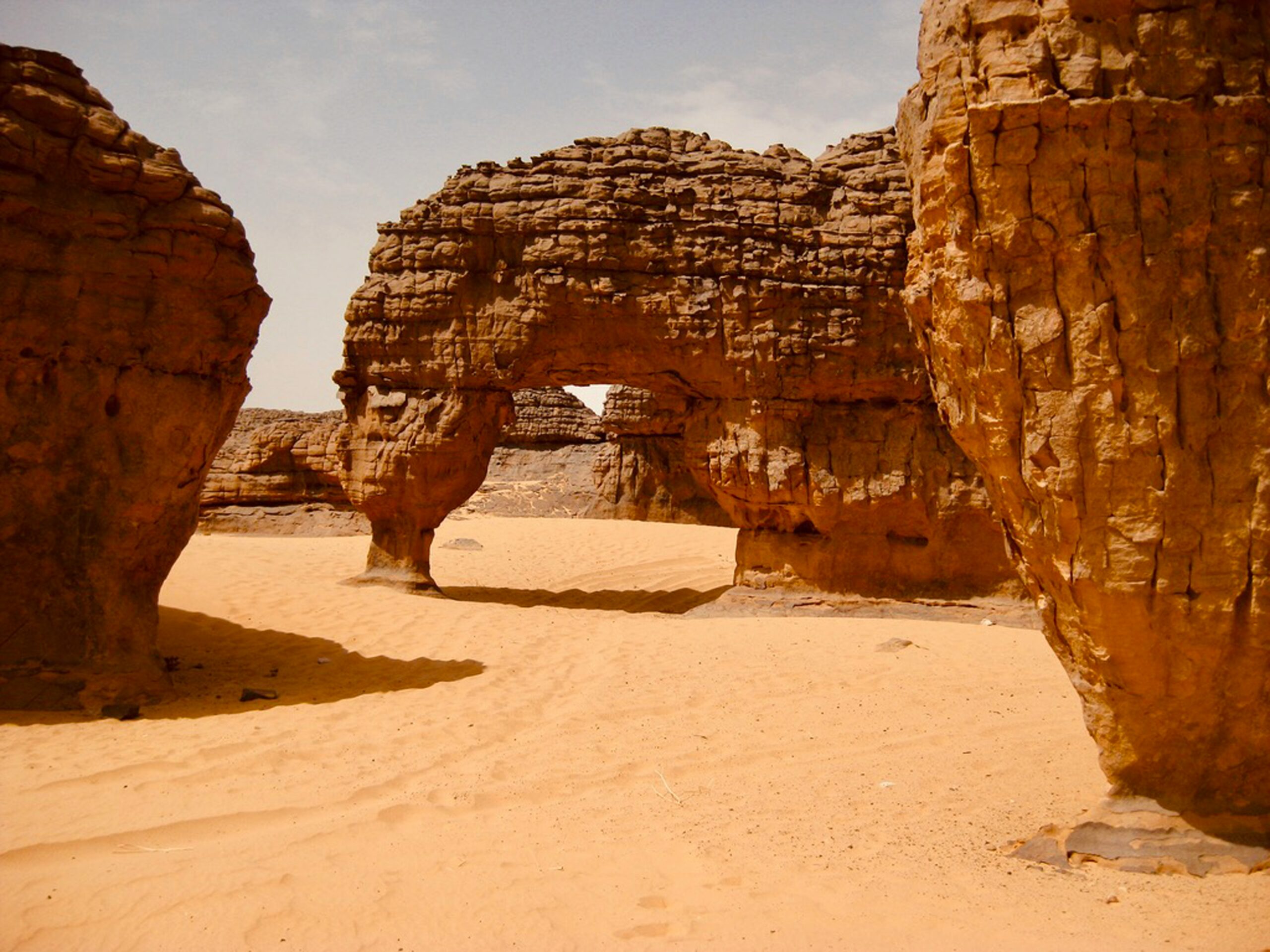
These Saharan destinations — troglodyte houses of Matmata (Star Wars filming locations), the salt flats of Chott el-Djerid, and the ksour (fortified granaries) of Tataouine — are generally accessible safely. The Kasserine governorate in the west and areas near the Libyan border require current advisory checks.
3.6 Areas Requiring Caution
- Kasserine Governorate (Mountain Regions): Active terrorist threat — Tunisian security forces have been attacked here. Not a tourist destination.
- Libyan Border Zone (Medenine/Tataouine near Remada): Cross-border militant activity. Avoid remote border routes.
4. Transportation Safety
4.1 Taxis in Tunis
Yellow taxis in Tunis use meters. If the driver refuses to use the meter, negotiate the fare upfront. From Tunis-Carthage Airport: use the official taxi rank outside arrivals. Agree on the metered fare. The ride to central Tunis should be 10–20 TND. Bolt (ride app) operates in Tunis and is recommended.
4.2 Trains (SNCFT)
Tunisia has a limited but functional rail network. The Tunis metro (light rail — TGM line to La Marsa and Sidi Bou Said) is safe and convenient. Intercity trains connect Tunis with Sousse, Sfax, and Gafsa. Generally safe and comfortable.
4.3 Louages (Shared Taxis)
Shared intercity taxis (louages) are cheap, fast, and the most common way Tunisians travel between cities. Generally safe. Keep your bag with you. They depart when full from specific terminals.
4.4 Buses (SNTRI)
SNTRI operates intercity coaches. Air-conditioned and generally comfortable. Louages are often faster.
4.5 Road Safety
Tunisia has a generally adequate road network in the north and coastal regions. Southern desert roads can be challenging. Night driving is not recommended on poorly lit rural roads. Driving in Tunis requires patience — traffic is intense and lane discipline is casual.
5. Health & Medical Safety
5.1 Medical Facilities
Tunis has good private hospitals: Clinique Hannibal, Clinique Les Jasmins, and the Polyclinique Les Oliviers. Major tourist centers (Sousse, Djerba, Hammamet) have adequate clinics catering to tourist needs. Remote areas have limited facilities. Travel insurance recommended.
5.2 Vaccinations
No specific vaccinations are required. Recommended: Hepatitis A, Typhoid, Tetanus, routine vaccinations. Rabies is a risk in rural areas. Consider meningitis vaccination for backpackers or extended travelers.
5.3 Water & Food
Tap water in major cities is treated and technically safe, but bottled water is recommended. Tunisian cuisine is outstanding — brik (pastry), couscous, lablabi (chickpea soup), mechouia salad, and harissa (chili paste) are highlights. Seafood is excellent and safe at reputable establishments. Avoid raw shellfish from unknown sources.
5.4 Desert Health
The Saharan south has extreme heat and very low humidity. Hydrate constantly, use sunscreen, and cover up. Sandstorms can occur with little warning — carry a face mask and goggles.
6. Natural Hazards
6.1 Flash Floods
Northern Tunisia experiences intense autumn and winter rainfall that can cause flash floods, particularly in Nabeul and Cap Bon. In 2018, flash floods near Nabeul killed dozens of people. Avoid low-lying areas and wadis during and after rain.
6.2 Desert Hazards
The Saharan south has extreme summer temperatures (50°C+). Travel in the south is most comfortable October–April.
6.3 Jellyfish
Jellyfish blooms occur on Tunisian beaches, particularly in summer. Check with beach staff before swimming. Minor stings are treated with vinegar; seek medical attention for more serious reactions.
7. Common Scams Targeting Tourists in Tunisia
| Scam Name | How It Works | How to Avoid It |
| Medina Fake Guide | Individuals near Tunis medina, Sousse medina, or Sfax medina offer to guide you and eventually lead you to commission shops. | Only hire guides from official tourism offices or hotel concierge. Navigate with Google Maps. |
| Taxi Overcharge | Drivers charge tourists rates far above the metered or agreed price. | Use the meter. Use Bolt app. Agree on price explicitly for airport trips. Normal airport rate: 10–20 TND to central Tunis. |
| Wrong Change (in TND) | Vendors shortchange tourists who are unfamiliar with Tunisian Dinar (TND/DT) denominations. | Familiarize yourself with TND bills and coins before shopping. Count change immediately. |
| Carpet/Handicraft Pressure | Souvenir sellers in Nabeul and Houmt Souk (Djerba) use prolonged pressure tactics including tea and hospitality. | Budget adequate time for genuine shopping. Prices in ONAT-certified shops are fixed and fair. Street price: start at 30–40% of asking. |
| Dromedary Ride Overcharge | Near Douz or Matmata, camel/dromedary rides are offered without price, and a large amount demanded after. | Agree on full price (return journey included) before mounting. |
| ‘Star Wars’ Location Guide Scam | Near Matmata or Tozeur, unofficial guides claim exclusive knowledge of filming locations. | Star Wars filming locations in Matmata (Hotel Sidi Driss) and Tozeur area are public knowledge. Use a guidebook or official guide. |
| Fake Police / Drug Setup | Individual offers drugs, and a ‘plainclothes officer’ appears to extort money. | Do not purchase drugs. Never hand money to unofficial ‘officers’ — insist on going to a police station. |
| Hammam Scam | Tourist is taken to a hammam (bathhouse) by a ‘guide’. Extra charges for massage and ‘special’ treatments are added without prior agreement. | Agree on every item and its price before entering a hammam. Use hammams recommended by your hotel. |
| ATM Skimming | Compromised ATMs in tourist areas. | Use ATMs inside banks (Banque de Tunisie, STB, BNA). Cover PIN. |
| Inflated Medina Prices | Vendors charge tourists vastly more than locals for the same items. | Research typical prices. Bargain from approximately 30% of the initial asking price. |
8. Legal Considerations for Tourists
- Dress Code: Tunisia is a Muslim-majority country. Dress modestly outside of beach resorts. Women do not need to cover their heads but should cover shoulders and knees in medinas, mosques, and cities.
- Alcohol: Alcohol is available in hotels, licensed restaurants, and some supermarkets (Monoprix). Not available near mosques or in conservative areas. Drinking in public is not appropriate.
- Drug Laws: Drug possession carries severe penalties (minimum 1 year in prison, possible longer). Do not purchase or use drugs.
- Photography Restrictions: Photography of military installations, government buildings, and security personnel is prohibited.
- LGBTQ+ Laws: Homosexuality is illegal in Tunisia (up to 3 years in prison). LGBTQ+ travelers should exercise significant discretion.
- Currency Controls: Tunisia uses the Tunisian Dinar (TND). Export of TND is restricted — keep exchange receipts for reconversion.
- Social Media: Criticism of the president on social media is a criminal offense under recent legislation.
9. Cultural Tips for Staying Safe
- Cultural Openness: Tunisians are among the most Westernized populations in North Africa but retain strong Arab and Amazigh (Berber) cultural roots. Respectful engagement is warmly received.
- Hospitality: Tunisian hospitality (serving mint tea or mahia) is genuine and meaningful. Accept graciously.
- Language: Tunisian Arabic (Derja) phrases: ‘Barsha shukran’ (thank you very much), ‘La, barka’ (no, enough), ‘Wesh ras’ (no problem). French is very widely spoken.
- Ramadan: Ramadan transforms the country. Enjoy evening food culture (iftar) which is particularly vibrant in Tunisia.
- Medina Dynamics: Tunisian medinas are not as aggressive with touts as Marrakech or Fes — but still require basic caution.
- Tipping: Tipping in restaurants: round up the bill or add 5–10%. Taxi drivers: round up the meter.
10. Emergency Contacts & Resources
| Service | Number / Details |
| Police (Emergency) | 197 |
| Ambulance / SAMU | 190 |
| Fire Service | 198 |
| National Guard (Gendarmerie) | 193 |
| Tourist Police Tunis | +216 71 560-881 |
| Clinique Hannibal Tunis (private) | +216 71 890-100 |
| Clinique Les Jasmins Tunis (private) | +216 71 793-188 |
| US Embassy Tunis | +216 71 107-000 |
| UK Embassy Tunis | +216 71 108-700 |
| Canadian Embassy Tunis | +216 71 104-000 |
| French Embassy Tunis | +216 71 105-100 |
| ONTT (Tunisian Tourism Office) | +216 71 341-077 |
| Bolt Tunisia (ride app) | app-based |
11. Quick Reference Safety Checklist
Before You Depart
- Check government travel advisory for Tunisia (especially Kasserine and border regions)
- Purchase travel insurance
- Register your trip with your embassy
- Install Bolt ride app before arrival
- Download offline maps for Tunis, Sousse, and Djerba
- Research medina scam types before visiting Tunis or Sousse medinas
- Keep exchange receipts for currency reconversion at departure
- Pack modest clothing for medina/city visits
- Do not plan to purchase cannabis or any drugs
During Your Trip
- Use metered taxis or Bolt app for all transportation
- Only hire licensed guides through hotels or official tourism offices
- Agree on all prices before receiving goods/services
- Do not purchase drugs under any circumstances
- Avoid Kasserine governorate and Libya border zones
- Follow all security procedures at museums and monuments
- Dress modestly outside beach/resort areas
- Keep valuables in hotel safe
- Use ATMs inside bank branches only
- Keep TND exchange receipts for reconversion
| ✔ Tunisia — Africa’s Most Accessible Mediterranean Gem Tunisia packs an extraordinary density of experiences into a small country: ancient Rome at El Jem, medieval Islam in Tunis medina, Saharan landscapes in the south, beautiful beaches in the east, and one of the world’s most delicious cuisines. With informed preparation, it is a rewarding and accessible destination. |