HOW TO STAY SAFE IN MOROCCO
1. Introduction & Country Overview
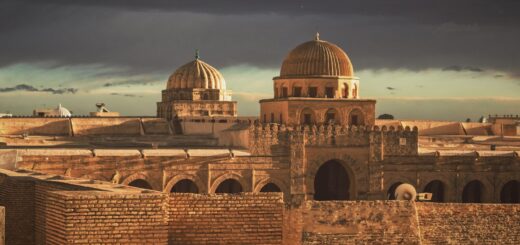
Morocco is one of Africa’s most visited countries and one of the world’s great travel destinations. Its extraordinary diversity — the ancient imperial cities of Fes, Marrakech, Meknes, and Rabat; the blue-painted village of Chefchaouen; the Saharan dunes of Merzouga and the Draa Valley; the Atlantic and Mediterranean coastlines; the High Atlas Mountains; and the vibrant art scene of Casablanca — makes it a destination capable of filling weeks or months of exploration.
Morocco is generally safe for tourists and has significantly strengthened its counter-terrorism capabilities following a 2003 Casablanca bombing. Tourism is a cornerstone of the Moroccan economy, and the country is experienced at managing large numbers of international visitors. However, Morocco has a well-documented set of challenges for tourists: persistent harassment from touts (faux guides — fake guides), aggressive souvenir selling, sexual harassment of women travelers, and a range of scams that specifically target visitors to the medinas (old city centers).
Most tourists who visit Morocco have wonderful experiences. Going in informed — particularly about the medina scam culture — makes all the difference.
| ⚠ Sahara Border Regions — Check Current Advisories Morocco’s southern border regions near Western Sahara and Algeria require current advisory checks. The Tindouf area of Algeria (near Mauritanian-Moroccan-Algerian tri-border) has terrorism risk. The Ouarzazate and Zagora desert regions are generally safe and heavily touristed. Always check current status for remote border areas. |
2. Understanding the Security Landscape
2.1 Overall Safety Assessment
Morocco has a low-to-moderate crime rate compared to many African nations. Violent crime against tourists is relatively rare, but petty crime, scams, and harassment are endemic in tourist areas. The most common serious incidents involve sexual assault on women traveling alone, drug-facilitated robbery, and robbery in isolated areas. Morocco’s DST (Direction de la Surveillance du Territoire) is an active and effective intelligence and counter-terrorism service.
2.2 Main Risks for Tourists
- Faux Guides & Touts: The most reported frustration and risk for visitors. Fake guides, shop commission scams, and persistent harassment in medinas.
- Sexual Harassment: Widely reported, particularly in Marrakech and Fes. Both verbal and physical.
- Petty Theft: Pickpocketing in souqs, at bus/train stations, and in crowded areas.
- Drug Scams: Cannabis (kif) is widely produced in the Rif Mountains region (Chefchaouen) but is illegal. Drug setups targeting tourists are reported.
- Robbery in Isolated Areas: Isolated hiking trails (Atlas Mountains), beaches, or night walking can lead to robbery.
3. Safe Areas vs. Areas to Avoid
3.1 Marrakech
Morocco’s most visited city and the center of the country’s tourist industry. Key areas:
- Djemaa el-Fna Square: The world-famous central square is extraordinary — musicians, snake charmers, storytellers — but is an intense scam zone, particularly at night. Never accept an invitation to take a photo of performers without agreeing a price first.
- Marrakech Medina & Souqs: The ancient market quarter is unmissable but disorienting. Fake guides operate here extensively. Navigate with a compass/phone GPS and go in armed with knowledge of the scams.
- Gueliz (Ville Nouvelle): The upscale new city with hotels, restaurants, and modern amenities. Much less harassing than the medina.
- Hivernage: Upscale residential and tourist areas south of Gueliz. Very safe.
3.2 Fes
Fes el-Bali is the world’s largest functioning medieval city and one of the greatest cultural treasures on Earth. It is also extremely disorienting and a hotbed of fake guide activity. The leather tanneries are iconic but involve elaborate scams (see Section 7). Navigate with GPS. Consider a licensed guide from the official guide association. The Ville Nouvelle (new city) is safe and relaxed.
3.3 Chefchaouen
The famous blue-painted mountain town is beautiful and more relaxed than Marrakech or Fes. Drug dealers are omnipresent — cannabis (kif) is produced extensively in the surrounding Rif Mountains. Do not purchase cannabis — it is illegal, and drug deals are sometimes used to set tourists up for robberies or police shakedowns (sometimes involving corrupt officials). Hiking trails near Chefchaouen require some precaution — use a guide.
| ⚠ Chefchaouen Drug Scam Warning Chefchaouen’s kif (cannabis) culture is openly visible, but buying is extremely risky. Common scenario: a dealer sells you cannabis, then either an accomplice posing as a police officer demands a bribe, or real police (sometimes tipped off by the dealer) arrest you. Possession of cannabis can result in significant jail time in Morocco. Do not purchase or use cannabis, regardless of how openly it seems to be offered. |
3.4 Essaouira
This atmospheric Atlantic port city is one of Morocco’s most relaxed and tourist-friendly destinations. Significantly less harassment than Marrakech. A wonderful creative arts scene, great seafood, and excellent wind for water sports.
3.5 Merzouga & the Sahara
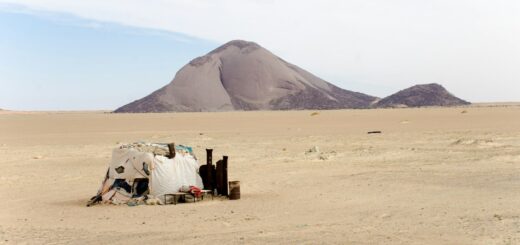
The Saharan dunes near Merzouga (Erg Chebbi) are an unmissable experience. The desert region is generally safe. Use registered operators for camel treks and desert camps. Book through established hotels rather than street touts.
3.6 High Atlas Mountains
Hiking the High Atlas (Toubkal, highest peak in North Africa at 4,167m) requires preparation. Use a licensed guide — trails are not always well-marked. Solo hikers have encountered robbery on some isolated trails. Register your hike with the gendarmerie in Imlil.
3.7 Tangier
The gateway from Europe to Africa. Tangier has improved significantly in recent years. Ferry arrivals require vigilance — touts at the port and bus station are very persistent. Use official taxis and do not accept help from ‘helpers’ at the port who will expect large payment.
4. Transportation Safety
4.1 Taxis
Morocco has two types of taxis: petit taxis (small, city taxis — metered, for short urban trips) and grand taxis (shared intercity taxis — negotiated fare). In cities, always use petit taxis with the meter running. If the driver refuses to use the meter, negotiate a fare beforehand or take another taxi. At airports, use pre-booked official taxis. Careem operates in major Moroccan cities.
4.2 Trains (ONCF)
Morocco has an excellent train network connecting Casablanca, Rabat, Tangier, Fes, and Marrakech. The TGV Al-Boraq connects Casablanca and Tangier in under 2 hours. Trains are safe, comfortable, and recommended. Keep luggage in sight.
4.3 Buses
CTM and Supratours are the most reputable intercity bus companies. Safe, comfortable, and reliable. Avoid very cheap bus companies for long routes. At bus stations, be vigilant about luggage — keep bags with you.
4.4 Road Travel
Morocco has a good road network. The motorway (autoroute) system connecting major cities is excellent. Secondary roads in the Atlas Mountains can be challenging — 4WD recommended for mountain passes and desert pistes. Night driving on mountain roads is not recommended.
5. Health & Medical Safety
5.1 Medical Facilities
Major cities (Casablanca, Rabat, Marrakech) have adequate private hospitals. Clinique Internationale (Marrakech), Clinique les Lilas (Casablanca), and CHU Ibn Rochd (Casablanca) are among the better options. Rural and mountain areas have very limited facilities. Travel insurance recommended.
5.2 Vaccinations
No specific vaccinations are required for Morocco. Recommended: Hepatitis A, Typhoid, Tetanus, routine vaccinations. Rabies is a concern in rural areas — dog bites should be treated immediately. Malaria risk is very low in Morocco (limited to some irrigated areas in summer).
5.3 Water & Food
Tap water is generally safe in major cities but bottled water is recommended, especially in rural areas. Moroccan cuisine is world-class — tagines, couscous, pastilla, sfenj, mint tea. Eat at busy, established restaurants. Street food is generally acceptable from busy stalls.
5.4 Atlas Mountain Altitude
Mount Toubkal (4,167m) and surrounding peaks present altitude sickness risks. Acclimatize in Imlil before summit attempts. Carry warm clothing — temperatures on the summit can be well below freezing even in summer.
6. Natural Hazards
6.1 Earthquakes
Morocco experienced a devastating earthquake in September 2023 (Al Haouz earthquake, 6.8 magnitude) near Marrakech, killing over 2,900 people. The Atlas Mountain region is seismically active. Know earthquake procedures.
6.2 Flash Floods
Morocco’s arid regions are vulnerable to flash floods during rainfall events. Desert gorges (like the Todra and Dades Gorges) can fill catastrophically. Never camp in gorges or wadis.
6.3 Heat in Southern Morocco
Summer temperatures in the Saharan south exceed 45°C. Desert trips in July–August require exceptional heat management — travel at night or very early morning, carry multiple liters of water per person.
7. Common Scams Targeting Tourists in Morocco
Morocco has a well-documented scam ecosystem that primarily operates through the ‘faux guide’ (fake guide) network and associated commission-based shop systems. Understanding these scams before arriving is the single most important preparation you can make.
7.1 The Faux Guide System
| Scam Name | How It Works | How to Avoid It |
| The Lost Tourist Gambit | As you navigate the medina, a friendly local appears and offers to ‘help’. He says you are going the wrong way. He leads you through the souqs and eventually to a family shop. A commission is charged. | Use Google Maps (it works well in Moroccan medinas). Accept help from people you approach, not people who approach you. The moment you enter any shop recommended by a stranger, know that a commission is built into any price. |
| The Leather Tannery Scam (Fes) | A man offers to show you the best view of the famous tanneries. He leads you through a leather shop, where you must walk through to reach the ‘free view terrace’. You are then subjected to high-pressure sales. | You can see the tanneries from multiple legitimate viewpoints in the medina. You do not need anyone to show you. Visit early morning when colors are richest and pressure is lower. |
| The Henna Lady Trap | A woman grabs a tourist’s hand near Djemaa el-Fna and applies henna before permission is given. A very large amount of money is demanded once the design is started. | Decline all unsolicited contact. If you want henna, agree on the full price and exact design BEFORE a single mark is made. Typical price: 50–100 MAD maximum for a simple design. |
| Carpet Shop Pressure | Tourist is invited for mint tea at a carpet shop. Extended high-pressure sales lasting hours. Some reports of being unable to leave easily. | Never enter a shop for tea with someone you just met. You can always leave — do so politely but immediately if uncomfortable. |
| Spice Shop Scam | Vendors at ‘apothecary’ shops offer free samples and then present a bill, or include items in a ‘bag’ without mentioning them until payment time. | Only buy what you specifically select and ask the price of before taking. |
| The Argan Oil Workshop | Tourist directed to an ‘argan oil cooperative’ (often not actually a cooperative) where prices are inflated massively. | Look for cooperatives certified by the government or UCFA (Union des Cooperatives des Femmes de l’Arganeraie). Verify certification. |
7.2 Transportation Scams
| Scam Name | How It Works | How to Avoid It |
| Taxi Meter Refusal | Petit taxi driver refuses to use meter and demands inflated flat rate. | Insist on meter or take another taxi. If no meter taxi available, agree on price explicitly. |
| Fake Bus Company | Unofficial ticket sellers near bus stations sell fake or overpriced tickets. | Buy bus tickets only from official CTM or Supratours offices, never from touts outside. |
| Wrong Hotel Direction | Taxi driver says your booked hotel is closed/full/bad and offers to take you to a better one (his commission hotel). | Know your hotel address and directions in advance. Insist on going to your booked accommodation. |
7.3 Harassment & Safety Scams
| Scam Name | How It Works | How to Avoid It |
| Drug Setup (Chefchaouen) | Dealer sells cannabis, then accomplice or real police demand bribe or make arrest. | Do not purchase cannabis or any drugs anywhere in Morocco. |
| Djemaa el-Fna Performer Scam | Performer or snake charmer insists on payment after you walk past or glance at them. | Do not make eye contact, photograph, or engage with performers unless you have agreed a price first. |
| ‘Welcome to Marrakech’ Scam | A man warmly greets you as if you know each other. You are led into conversations that end with a request for money or purchase. | Politely acknowledge but disengage from strangers who approach you with excessive familiarity near tourist sites. |
| Sexual Harassment | Persistent verbal and sometimes physical harassment, particularly of solo women travelers. | Travel in groups when possible. Dress conservatively. Respond firmly: ‘Hshuma alayk’ (shame on you) or ‘Imshi’ (go away). Seek police assistance at tourist police posts in medinas. |
8. Legal Considerations for Tourists
- Drug Laws: Cannabis (kif) is illegal in Morocco despite its cultural visibility in the Rif region. Possession and use can result in jail time.
- Dress: Morocco is a Muslim-majority constitutional monarchy. Dress modestly outside of beach resorts.
- Alcohol: Alcohol is available in licensed restaurants, hotels, and some supermarkets. Public drinking is not acceptable.
- Respect for Monarchy: The Moroccan royal family is deeply respected. Any disrespect toward the king, royal family, or Islam can result in criminal prosecution. This includes social media posts.
- LGBTQ+ Laws: Same-sex relations are illegal in Morocco. LGBTQ+ travelers should exercise significant discretion.
- Religion: Proselytizing to Muslims is illegal.
- Photography: Photography near military or police installations requires care. Ask before photographing officials.
9. Cultural Tips for Staying Safe
- Firm Refusal: The key phrase for navigating Morocco’s medinas: ‘La, shukran’ (No, thank you) — said firmly, without eye contact, while continuing to walk. Practice this before you land.
- Bargaining: Bargaining is expected in souqs (not in fixed-price shops, supermarkets, or restaurants). Start at 30–40% of the asking price. The process is social — be good-humored.
- Genuine Hospitality: Moroccan hospitality is genuine and extraordinary. The tea offered by an actual host (not a commission-shop setup) represents a real cultural exchange.
- Ramadan: Ramadan transforms Morocco — slower pace, evening street life comes alive, extraordinary communal breaking of the fast (iftar). Plan around it.
- Language: Basic Moroccan Arabic (Darija) phrases: ‘Shukran’ (thank you), ‘La’ (no), ‘Bsahtek’ (cheers/good health), ‘Lla ysahlk’ (God make it easy for you). French is widely spoken.
- Hammams: Moroccan hammams (bathhouses) are wonderful cultural experiences — use ones recommended by your hotel rather than those promoted by street touts.
10. Emergency Contacts & Resources
| Service | Number / Details |
| Police (Emergency) | 19 |
| Gendarmerie Royale | 177 |
| Ambulance (SAMU) | 15 |
| Tourist Police (Brigade Touristique) Marrakech | +212 524 38 46 01 |
| Tourist Police — Fes | +212 535 62 17 15 |
| Clinique Internationale Marrakech (private) | +212 524 43 91 33 |
| CHU Ibn Rochd Casablanca | +212 522 22 41 41 |
| US Embassy Rabat | +212 537 63 72 00 |
| UK Embassy Rabat | +212 537 63 33 33 |
| Canadian Embassy Rabat | +212 537 68 74 00 |
| Australian Consulate Casablanca (honorary) | +212 522 26 29 04 |
| SMIT (Moroccan Tourism Board) | +212 537 21 39 41 |
| Careem Morocco | app-based |
11. Quick Reference Safety Checklist
Before You Depart
- Check government travel advisory for Morocco
- Research and memorize the top medina scams before arrival
- Learn ‘La, shukran’ — your most important Moroccan phrase
- Book riad accommodation in advance with GPS coordinates
- Install Careem or Google Maps (works offline in medinas)
- Pack conservative clothing, especially for women
- Do not plan to purchase cannabis under any circumstances
- Purchase travel insurance
- Check current earthquake recovery conditions around Marrakech
During Your Trip
- Navigate medinas with GPS — do not rely on ‘helpful’ strangers
- Firmly decline all unsolicited guide offers with ‘La, shukran’
- Never accept free tea at a shop you were led to by a stranger
- Agree on all prices BEFORE receiving goods or services
- Use metered petit taxis or Careem in cities
- Do not engage with performers unless you have agreed a price
- Do not purchase cannabis
- Leave valuables in hotel safe
- Report sexual harassment to tourist police
- Dress modestly outside of beach and resort areas
| ✔ Morocco — Worth Every Moment of Preparation Morocco is one of the world’s most extraordinary destinations. The chaos of Djemaa el-Fna at dusk, the call to prayer echoing through the lanes of Fes el-Bali, the silence of the Sahara at sunrise — these are experiences that stay with you forever. Understanding the medina dynamics means you can engage with Morocco on its own extraordinary terms. |