HOW TO STAY SAFE IN MAURITANIA
1. Introduction & Country Overview
Mauritania is a vast, sparsely populated country in northwest Africa, bridging the Arab Maghreb and sub-Saharan West Africa. It is primarily covered by the Sahara Desert, with the Senegal River valley forming its fertile southern border. Mauritania offers extraordinary landscapes — the Adrar region with its ancient oasis cities of Chinguetti and Ouadane (UNESCO World Heritage Sites), the Pink Lake (Lac Rose), the atmospheric capital Nouakchott, and some of the world’s richest fishing grounds on the Atlantic coast.
Mauritania is one of the least-visited countries in the world and presents significant but not insurmountable safety challenges for well-prepared adventurous travelers. The country sits on the edge of the Sahel terrorism belt, with Al-Qaeda in the Islamic Maghreb (AQIM) historically active in the region. However, Mauritania’s own security forces and community relationships have significantly reduced terrorism incidents within the country in recent years, distinguishing it from neighboring Mali, Burkina Faso, and Niger.
Mauritania is not suitable for casual or first-time travelers to Africa. It is a destination for experienced, well-prepared adventurers who understand the risks and have undertaken thorough preparation.
| ⚠ Terrorism Risk — Eastern & Northern Border Zones Mauritania’s eastern regions bordering Mali (Hodh El Chargui, Hodh El Gharbi, Assaba) and northern regions near the Algerian border carry significant terrorism risk from AQIM-affiliated groups active in the broader Sahel. Several kidnappings and murders of foreign nationals occurred in Mauritania in the late 2000s and early 2010s. Security has improved since then, but the eastern border zones remain high-risk. Check the current status of specific areas with your government’s travel advisory before visiting. |
2. Understanding the Security Landscape
2.1 Regional Terrorism Context
Mauritania’s security situation must be understood within the broader Sahel crisis. The collapse of the Malian state, the coup in Niger, and the widespread jihadi insurgency across the Sahel mean that Mauritania sits adjacent to one of the world’s most active terrorism zones. The Mauritanian government has invested significantly in border security and counter-terrorism, and has maintained better relationships with some armed groups than its neighbors. However, the situation is dynamic and can change rapidly.
2.2 Current Threat Profile
- Terrorism — Eastern Zones: Eastern Mauritania (borders with Mali) — elevated risk from Sahel jihadist groups.
- Kidnapping Risk: Kidnapping of foreign nationals has occurred, particularly in remote desert areas.
- Urban Crime: Petty theft, bag snatching, and scams in Nouakchott and Nouadhibou.
- Natural Hazards: Harsh desert environment presents serious non-security risks.
2.3 Improving Trajectory
Mauritania has not experienced a major terrorist attack against foreigners since 2011, and has been considered a relative ‘success story’ within the troubled Sahel region. The country’s intelligence cooperation with France and the US, alongside domestic community engagement programs, have helped contain the threat. However, caution remains essential — the situation can change.
3. Key Destinations & Safety Profiles
3.1 Nouakchott — The Capital
Nouakchott is a large, sprawling desert city with a fascinating mix of Moorish culture, modern development, and West African influences. The main tourist and commercial areas are generally safe for daylight travel. The fish market (Port de Pêche) at Nouakchott is one of the most extraordinary in Africa. Key safety issues: aggressive taxi drivers, petty theft near markets, and occasional scams targeting foreigners.
- Tevragh Zeina: The diplomatic quarter with hotels, restaurants, and embassies. Safest area for tourists.
- Port de Pêche Area: Near the fish market. Fascinating but more chaotic — be vigilant.
3.2 Adrar Region — Chinguetti, Ouadane, Atar
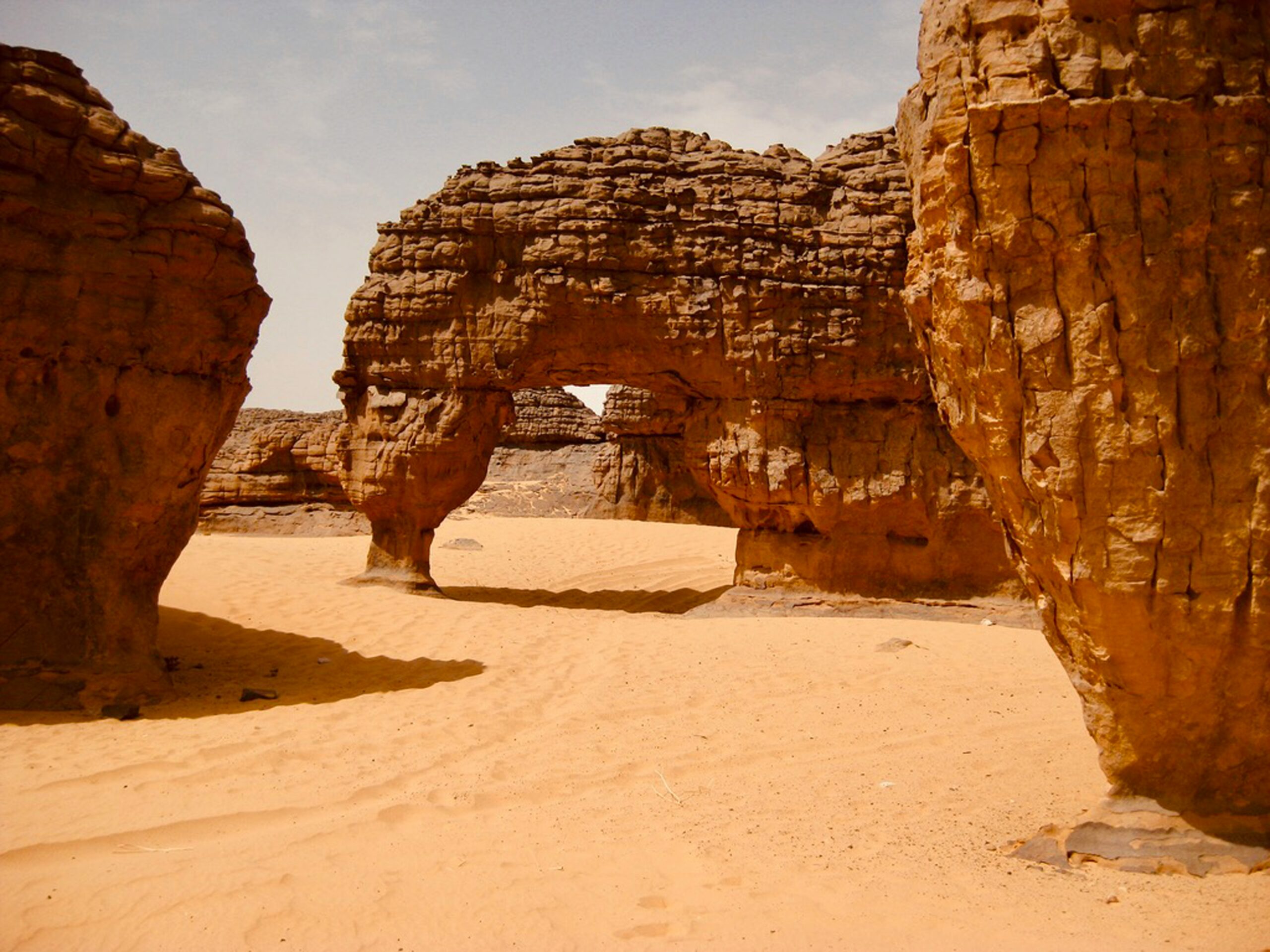
The Adrar plateau is Mauritania’s most spectacular tourist destination: ancient oasis cities, towering sand dunes, camel caravans, and breathtaking Saharan landscapes. Chinguetti was once the seventh holiest city in Islam — its ancient libraries hold manuscripts of immense historical significance. Atar is the regional capital and gateway to the Adrar. These areas are considered relatively safe (as of 2025) but require organized travel with vetted local guides.
3.3 Banc d’Arguin National Park
A UNESCO World Heritage Site and one of the world’s most important bird sanctuaries on the Atlantic coast. Accessible from Nouakchott or Nouadhibou. Generally safe. Fascinating for birdwatchers and nature enthusiasts. Requires a licensed guide.
3.4 Nouadhibou
Mauritania’s commercial capital and major fishing port. Home to the famous ship cemetery — a surreal landscape of rusting hulks in the bay. Generally safe in commercial areas. The trans-iron ore train (one of the world’s longest) departs from Nouadhibou — a famous travel experience.
3.5 Southern Mauritania
The Niger River floodplains around Kaédi and Rosso are beautiful and culturally rich. These areas are generally safer than the eastern regions but require current security checks.
3.6 Eastern Mauritania — Restricted Zones
| ⚠ Eastern Border Regions — Avoid The departments of Hodh El Chargui and Hodh El Gharbi bordering Mali are high-risk and should not be visited without specific, current security intelligence and professional support. The town of Nema and surrounding areas are particularly affected. |
4. Transportation Safety
4.1 Taxis in Nouakchott
Taxis in Nouakchott do not use meters. Negotiate fares firmly before entering. Shared taxis (taxi brousse) are the cheapest option but crowded. Most visitors use private taxis or vehicle hire with drivers arranged through hotels. There are no ride-hailing apps equivalent to Uber operating in Mauritania.
4.2 The Iron Ore Train
The Nouadhibou to Zouerate iron ore train — one of the world’s longest trains (up to 3 km) — offers a legendary travel experience riding in the ore wagons. It is free but physically demanding (extreme cold at night, dust, occasional delays of 24+ hours). Passenger cars are available for a small fee. This is a bucket-list experience for adventurous travelers.
4.3 Road Travel
Mauritania’s road network is limited. The main asphalted route runs from Rosso (Senegal border) through Nouakchott to Nouadhibou and then toward Morocco (via the Western Sahara). The route from Nouakchott to Atar and the Adrar is asphalted but can be damaged by sand. Off-road desert travel requires a 4WD vehicle, GPS, satellite phone, adequate fuel (distances between stations can exceed 500 km), food, and water for multiple days.
4.4 Air Travel
Mauritania Airlines and international carriers serve Nouakchott’s Oum Tounsy International Airport. Domestic air services to Atar and Nouadhibou exist but are limited. Flying is the safest option for longer distances.
5. Health & Medical Safety
5.1 Medical Facilities
Medical facilities in Mauritania are very limited, even in Nouakchott. The best available care is at the National Hospital (Hopital National de Nouakchott) and some private clinics. For any serious medical condition, medical evacuation to Dakar (Senegal), Casablanca (Morocco), or Europe is necessary. Medical evacuation insurance is absolutely essential.
5.2 Vaccinations
Required: Yellow Fever vaccination certificate. Strongly recommended: Meningococcal meningitis (particularly for travel outside Nouakchott), Hepatitis A, Hepatitis B, Typhoid, Tetanus, Rabies (for extended travel). Malaria risk is present in the Senegal River valley region in the south — anti-malarial medication is recommended for visits to these areas.
5.3 Water & Food
Do not drink tap water anywhere in Mauritania. Rely exclusively on sealed bottled water. In remote areas, water purification tablets and filters are essential. Mauritanian cuisine (thiéboudienne rice and fish, maafe, camel meat) is good at reputable establishments. Exercise caution with street food and food from small roadside stalls.
5.4 Desert Health Hazards
Mauritania is predominantly desert with extreme temperatures (50°C+ in summer, sub-zero at night). Dehydration, heat stroke, and hypothermia are all real risks. Drink 4–6 liters of water per day in the desert. Bring sufficient water for longer trips than planned — delays are common. Sandstorms can cause respiratory problems and equipment damage.
5.5 Malaria
Malaria is a risk in the Senegal River valley and southern Mauritania. Use long-sleeved clothing, DEET repellent, and consider prophylactic medication for these areas. The Saharan north has negligible malaria risk.
6. Natural Hazards
6.1 Desert Hazards
Getting lost in the Sahara is life-threatening. Always travel with an experienced guide, GPS, satellite communication, emergency supplies, and multiple days’ worth of water. Never separate from your guide or party. Desert navigation requires specialist knowledge.
6.2 Atlantic Ocean Hazards
The Mauritanian coast has extremely powerful ocean currents. Do not swim in unguarded ocean areas. The famous fish market beach in Nouakchott can have strong surf. Rip currents are powerful on Atlantic-facing beaches.
6.3 Flash Floods
Despite being predominantly desert, Mauritania experiences intense seasonal rainfall (July–September) in the south. Flash floods in wadis and on roads can be sudden and deadly.
7. Common Scams Targeting Tourists in Mauritania
| Scam Name | How It Works | How to Avoid It |
| Taxi Overcharge | Drivers quote one price and demand more on arrival, or claim the price quoted was per person. | Negotiate and confirm fare explicitly before entering. Confirm ‘total for the journey’ in French or Hassaniya Arabic. |
| Unofficial Guides at Sites | Individuals claiming to be licensed guides offer services near Chinguetti or other historic sites. Quality varies enormously. | Only hire guides through your hotel or through agencies registered with the Mauritanian tourism authority (ONT). |
| Sand Dune ‘Entry Fee’ | Someone claims there is a charge to access sand dunes or natural areas. | Verify any fees through official sources. Major dune areas near Chinguetti have no formal entry fee charged by individuals. |
| Currency Exchange Fraud | Street changers offer attractive rates but pass counterfeit bills or shortchange. | Exchange money only at official banks (Banque Mauritanienne pour le Commerce) or hotel exchange desks. |
| Carpet/Handicraft Pressure | Sellers in Nouakchott’s market or near tourist sites pressure tourists into purchases. | Browse comfortably, politely decline, and negotiate only if genuinely interested. |
| Accommodation Overcharge | Hotels charge foreigner rates significantly above local rates. | Research average prices before booking. The gap between foreigner and local rates can be significant. |
| Camel Trek Scam | Camel trek operators agree to a price but add unexpected charges for water, camping equipment, and guide fees. | Clarify exactly what is included in writing (or clearly verbally) before departure. All-inclusive price means all-inclusive. |
| Fake Police Checkpoint | Unofficial checkpoints demand ‘fees’ from vehicles. | Report unofficial checkpoints to police. Do not pay. However, use caution given the general security environment. |
| Visa Facilitation Scam | Agents claim to be able to secure Mauritanian visas faster for a fee through unofficial channels. | Only use official embassy channels or vetted registered visa agencies. |
8. Legal Considerations for Tourists
- Visa: Mauritania requires visas for most nationalities. Check current requirements. E-visas are available for some nationalities.
- Alcohol Prohibition: Mauritania is an Islamic republic. Alcohol is completely prohibited. Possession can result in detention.
- Photography Restrictions: Photography of military, government buildings, police, the presidential palace, and some public infrastructure is prohibited.
- Dress Code: Dress very modestly throughout Mauritania. Women should cover heads and arms in public, particularly outside of Nouakchott’s expatriate areas.
- LGBTQ+ Laws: Homosexuality is illegal in Mauritania under Islamic law, with severe penalties including imprisonment and, theoretically, capital punishment.
- Drug Laws: Drug possession is illegal with severe penalties.
- Registration: Registration with local authorities (commissariat de police) is required when staying outside of hotels.
9. Cultural Tips for Staying Safe
- Cultural Diversity: Mauritanians are Moorish (Arab-Berber) with significant West African (Haratin, Wolof, Fulani, Soninke) populations. Understanding this cultural complexity enriches interactions.
- Tea Culture: Mauritanian hospitality is legendary. Tea ceremonies (three rounds of increasingly sweet mint tea) are central to social life. Refusing tea is impolite.
- Greetings: Greet older men with ‘Salam alaykum’ and wait for them to initiate handshakes.
- Dress: Dress conservatively at all times. Women travelers should have heads covered outside tourist/expat areas.
- Friday: Friday is the Muslim holy day — government offices, banks, and many businesses close. Plan around this.
- Language: French is the official administrative language alongside Arabic. Basic French is very helpful.
10. Emergency Contacts & Resources
| Service | Number / Details |
| Police (Gendarmerie) | 17 |
| Ambulance (SAMU) | 101 |
| Fire Service | 18 |
| Hopital National de Nouakchott | +222 45 25 23 14 |
| US Embassy Nouakchott | +222 45 25 38 60 |
| UK Embassy Nouakchott (honorary consul) | +222 45 25 27 22 |
| French Embassy Nouakchott | +222 45 29 97 20 |
| Spanish Embassy Nouakchott (covers multiple nationalities) | +222 45 25 25 86 |
| UNHCR Mauritania | +222 45 24 10 10 |
| ONT (Mauritanian Tourism Office) | +222 45 25 27 06 |
11. Quick Reference Safety Checklist
Before You Depart
- Check your government’s Mauritania travel advisory (especially eastern regions)
- Obtain a Yellow Fever vaccination certificate — required for entry
- Purchase travel insurance with medical evacuation (essential)
- Register with your embassy
- Book all desert tours with registered, vetted operators
- Pack desert survival essentials (water, navigation, communication)
- Get all recommended vaccinations including meningitis
- Consult doctor about malaria prophylaxis for southern Mauritania
- Download offline French phrasebook and maps
- Pack very conservative clothing
During Your Trip
- Never travel in eastern border areas without specific professional guidance
- Always travel with a licensed guide in desert areas
- Negotiate taxi fares before entering the vehicle
- Exchange money only at official banks
- Do not consume alcohol — strictly prohibited
- Dress conservatively at all times
- Inform your hotel of your movements when traveling outside the city
- Carry a satellite communication device in desert areas
- Respect tea ceremony hospitality
- Carry minimum valuables in crowded market areas
| ✔ Mauritania — An Extraordinary Adventure for the Prepared Traveler For experienced, adventurous travelers, Mauritania offers an Africa almost entirely unvisited by mass tourism: ancient Saharan libraries, extraordinary desert landscapes, rich Moorish culture, and one of the most dramatic train journeys on Earth. With thorough preparation, a professional guide, and respect for local customs, Mauritania can be an extraordinary experience. |