HOW TO STAY SAFE IN ALGERIA
1. Introduction & Country Overview
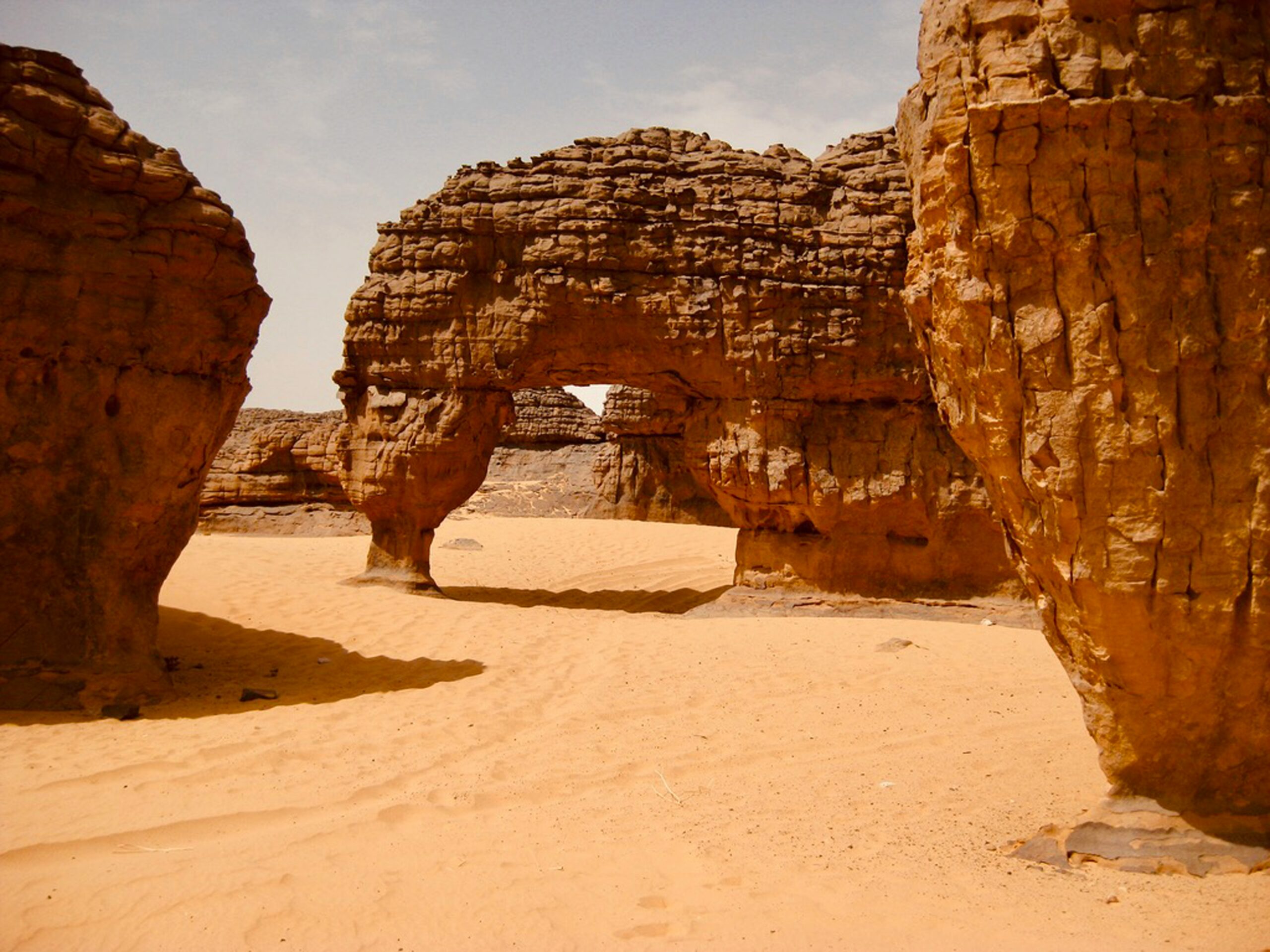
Algeria is Africa’s largest country by area — a vast nation stretching from the Mediterranean coast across the Sahara Desert to the borders of Mali and Niger. It is one of the most geographically and culturally diverse destinations in North Africa: Roman ruins at Timgad and Djemila rival those of Pompeii, the blue-and-white hilltop village of Ghardaia is a UNESCO treasure, and the Saharan landscapes of the Tadrart (Tassili n’Ajjer) are among the most spectacular on Earth.
Despite its extraordinary historical and natural riches, Algeria remains one of the least-visited countries in North Africa. This is largely due to its history of conflict (the devastating civil war of the 1990s known as the ‘Black Decade’), ongoing terrorism threats in border and Saharan regions, and restrictive visa policies that have historically made independent tourism difficult. The Algerian government has been working to promote tourism more actively in recent years, and safety in the main cities has improved markedly.
For tourists willing to put in the preparation, Algeria offers an authentic North African experience almost entirely unspoiled by mass tourism. However, serious security considerations — particularly in southern, eastern, and border regions — require thorough research, professional guidance, and strict adherence to official advisories.
| ⚠ Critical Threat — Southern & Border Regions Algeria’s southern and eastern regions (bordering Mali, Niger, Libya, and Tunisia) are home to active terrorist organizations including Al-Qaeda in the Islamic Maghreb (AQIM), the Islamic State in the Greater Sahara (ISGS), and Jama’at Nusrat al-Islam wal-Muslimin (JNIM). Kidnapping of Western tourists has occurred in these areas. Multiple governments advise against all travel to southern and border provinces. DO NOT travel to these areas without consulting your government’s travel advisory and engaging professional local expertise. |
2. Understanding the Security Landscape
2.1 Historical Context
The Algerian Civil War (1991–2002) between the government and Islamist armed groups killed an estimated 100,000–200,000 people and traumatized the country. The In Amenas gas facility attack in 2013 — targeting foreign workers — marked a reminder that terrorist threats persist. Today, the Algerian military and security services are highly capable and actively counter terrorism, particularly in the south. But the threat from Sahelian jihadist groups remains real.
2.2 Current Threat Profile
- Active Terrorist Groups: AQIM, ISGS, and JNIM operate in border zones (Tindouf, Tamanrasset, Illizi departments) near Mali, Niger, Libya, and Tunisia.
- Kidnapping Risk: Foreign nationals have been kidnapped in Algeria for ransom. Most incidents occur in remote desert and border regions.
- Urban Crime: General crime in Algerian cities is moderate. Petty theft, bag snatching, and scams occur in urban areas, particularly Algiers.
- Libya Border: Border areas with Libya are highly unstable due to the Libyan civil war’s spillover effects.
2.3 Safe vs. High-Risk Regions
- Relatively Safe: The northern coast (Algiers, Oran, Annaba, Constantine, Tlemcen, Bejaia) — generally safe for tourists with standard precautions.
- Managed Risk: The Aurès Mountains (Batna, Khenchela), Atlas Saharien, and Saharan tourist sites accessible from authorized tour operators.
- High Risk: All southern departments bordering Mali, Niger, Libya, and Mauritania — DO NOT visit without expert guidance and current official authorization.
3. Safe Areas vs. Areas to Avoid
3.1 Algiers — The Capital
Algiers (Alger) is a beautiful Mediterranean city climbing white hills above the sea. The main tourist areas are generally safe during daylight hours. Key safe zones:
- La Casbah (Old City): The historic lower city is a UNESCO World Heritage Site. Narrow alleys, Ottoman palaces, and stunning sea views. Safe with a guide or in groups during the day.
- Rue Didouche Mourad & Waterfront: The main commercial boulevard and seafront area. Generally safe during daylight.
- Hydra & El Biar: Upscale residential and commercial area. Safe for tourists.
Areas requiring caution in Algiers:
- Peripheral Neighborhoods: Some peripheral neighborhoods (Bab El Oued, certain areas around the port) are higher risk, especially after dark.
- La Casbah at Night: The La Casbah’s deeper alleys, while fascinating, are easy to get lost in and should be explored with a local guide.
3.2 Oran
Algeria’s second city has a distinctive French-Algerian-Spanish heritage. Generally safe for tourists in central areas. The old Spanish fort (Santa Cruz) and French colonial architecture are highlights.
3.3 Constantine
The ‘City of Bridges’ perched dramatically on a gorge is one of North Africa’s most visually stunning cities. Safe for daytime tourism with standard precautions.
3.4 Roman Ruins — Timgad, Djemila, Tipaza
Algeria’s Roman heritage is world-class and largely unvisited compared to Tunisia or Morocco. These sites require advance planning and are best visited with an organized tour. They are in relatively secure areas of northern Algeria. Armed security is sometimes present at major sites.
3.5 Ghardaia & the M’Zab Valley
This UNESCO World Heritage ksar (fortified city) in the northern Sahara is extraordinary. It is accessible from Algiers and relatively safe, though inter-communal tensions have flared periodically. Visit with a licensed tour guide.
3.6 Tassili n’Ajjer & Southern Sahara
| ⚠ Southern Algeria — Seek Expert Advice Before Any Visit The Saharan south of Algeria — including Tamanrasset and the Tassili n’Ajjer National Park — is extraordinary but requires careful security assessment. Some agencies do operate authorized tours to these areas with armed escort and military clearance. However, the terrorist threat is real and travel advisories from the US, UK, EU, and Australia restrict or warn against visits to these areas. Only consider visiting after thorough consultation with your government’s travel advisory and a highly reputable Algerian tour operator with current security intelligence. |
4. Transportation Safety
4.1 Air Travel
Air Algerie operates domestic routes between major cities. Flying is the recommended mode of long-distance travel within Algeria, both for safety and efficiency. International arrivals are at Houari Boumediene Airport in Algiers. Use official taxi services or hotel transfers from the airport — do not accept unofficial taxi offers.
4.2 Taxis in Algiers
Algiers taxis are generally yellow. Negotiate fare before entering — meters are not standard. Uber and similar apps have limited operation in Algeria. Ask your hotel to arrange a trusted taxi or radio taxi service, especially for night travel.
4.3 Intercity Transport
Trains (SNTF) connect major northern cities and are generally safe. Intercity buses and shared taxis (louages) are common. Avoid night buses on less-traveled routes. For any Saharan destination, use only organized tours with registered guides.
4.4 Road Travel
The northern highway network is generally in good condition. Driving in Algeria requires significant adaptation to local driving culture — aggressive overtaking and poor signage are common. Night driving outside of cities is strongly discouraged. In the south, convoy travel with GPS, satellite phone, and ample fuel/water is mandatory — distances between fuel stops can exceed 500 km.
4.5 Southern Sahara Travel
Travel in Algeria’s Saharan regions requires: registration with local authorities (wilaya), licensed guides, and in some areas, military/police escort. Organized tours handle these requirements. Independent Saharan travel is strongly discouraged and may be illegal in restricted zones.
5. Health & Medical Safety
5.1 Medical Facilities
Algiers has adequate private hospitals (Clinique El Azhar, Clinique des Orangers) and public hospitals. Outside the capital, facilities diminish significantly. In southern or desert regions, emergency medical care is extremely limited. Medical evacuation insurance is essential for any travel beyond major cities.
5.2 Vaccinations
Recommended: Hepatitis A, Hepatitis B, Typhoid, Tetanus, and routine vaccinations. Rabies vaccination for travelers spending time in rural areas or working with animals. Cholera and meningitis vaccinations may be advised for certain regions. No Yellow Fever certificate required for most travelers unless arriving from endemic countries.
5.3 Water & Food Safety
Tap water quality varies. In Algiers and major cities, tap water is treated but bottled water is safer. In rural and desert areas, rely exclusively on sealed bottled water. Algerian cuisine (couscous, tagines, mechoui lamb, shakshouka, pastilla) is wonderful — eat at established restaurants. Ramadan (dates vary annually) significantly affects opening hours, food availability, and the pace of life. Respect public fasting during Ramadan.
5.4 Desert Health Hazards
The Saharan environment presents serious health risks: extreme heat (50°C+ in summer), hypothermia at night (temperatures can drop to 0°C), dehydration, sandstorms, and sun exposure. Drink 4–6 liters of water per day in the desert. Carry oral rehydration salts. Pack high-factor sunscreen, a wide-brimmed hat, and warm layers for desert nights.
6. Natural Hazards
6.1 Earthquakes
Algeria is seismically active. The 2003 Boumerdes earthquake killed over 2,200 people. The Tell Atlas mountain range is particularly earthquake-prone. Know earthquake procedures. After major tremors, be aware of aftershocks and landslides in hilly areas.
6.2 Saharan Sandstorms (Sirocco)
The sirocco — a hot, dust-laden wind from the Sahara — can reduce visibility to near zero and cause respiratory distress. Carry a face mask, goggles, and seal your equipment. Monitor weather forecasts in southern areas.
6.3 Flash Floods
Desert wadis (dry riverbeds) can fill catastrophically within minutes during rain events, even when no rain is visible locally. Never camp in a wadi. Follow guide instructions about flash flood protocols.
7. Common Scams Targeting Tourists in Algeria
Algeria receives far fewer tourists than Morocco or Tunisia, so tourist-targeting scams are less elaborate. However, the following are well-documented:
| Scam Name | How It Works | How to Avoid It |
| Unofficial ‘Guides’ | Individuals near major sites (La Casbah in Algiers, Roman ruins) offer guide services and then inflate prices dramatically or lead tourists into uncomfortable situations. | Only hire licensed guides registered with the Algerian Ministry of Tourism. Your hotel or official tourist office can provide verified contacts. |
| Taxi Overcharge | Drivers quote one price before the journey and claim a higher amount upon arrival. | Agree on the exact fare before entering the taxi. Write it down if needed. Have exact change ready. |
| Money Exchange Fraud | Unofficial changers offer black market rates for euros or dollars, then shortchange or pass counterfeit bills. | Exchange money only at official banks (BNA, CPA, BEA) or authorized exchange offices. Algeria has strict currency controls. |
| Currency Export Scam | Tourists are told they can take Algerian Dinar out of the country. This is illegal. | Algerian Dinar cannot be legally exported. Convert unused currency back to foreign currency at the airport before departure. Keep exchange receipts. |
| Souvenir Inflation | Vendors in tourist areas quote prices far above market value, especially for handicrafts and fossils. | Research fair prices before shopping. Visit the ONAT (National Algerian Tourism Office) for guidance on fair pricing. |
| Fake Police | Individuals claiming to be plainclothes security demand to see passports or wallets. | Real security forces are uniformed. Never hand over your wallet. Ask for an official police station. |
| Overpriced Desert Tours | Unofficial tour operators at Saharan entry points sell tours without proper permits, vehicles, or safety provisions. | Book Saharan tours only through registered agencies in Algiers or internationally reputable operators with verifiable safety records. |
| Accommodation Bait-and-Switch | Budget hotels charge more than advertised or claim your booking was lost. | Confirm accommodation in writing before arrival. Have confirmation on your phone. |
| Photography Extortion | Someone poses for a photograph and then aggressively demands payment. | Always ask permission before photographing people. Agree on terms beforehand or decline. |
| Friendship Scam | A friendly young man offers to show you around, then leads you to expensive shops where he receives a commission, or eventually solicits money. | Politely decline company from strangers who approach unsolicited. Trust hotel recommendations for guides. |
8. Legal Considerations for Tourists
- Photography Laws: Photography of military installations, government buildings, bridges, airports, and security personnel is strictly prohibited. Algeria takes this very seriously — violators have been detained.
- Alcohol & Ramadan: Algeria is a Muslim-majority country. Alcohol is available in some hotels and licensed restaurants but is not publicly available everywhere. During Ramadan, eating, drinking, or smoking in public during daylight hours is offensive and can attract legal attention.
- Currency Controls: Algerian Dinar cannot be exported. Keep all currency exchange receipts.
- Visa & Registration: A visa is required for most nationalities. Obtain it before arrival — landing visas are not generally available. Register with local police (gendarmerie) if staying outside of hotels.
- Drug Laws: Drug possession is illegal with severe penalties.
- LGBTQ+ Laws: Homosexuality is illegal in Algeria. LGBTQ+ travelers should exercise significant discretion.
- Electronics: Carrying satellite phones and GPS devices may require permits. Consult your tour operator.
9. Cultural Tips for Staying Safe
- Cultural Reserve: Algerians are proud, reserved, and deeply hospitable once trust is established. Do not mistake initial reserve for hostility — Algerians are warm hosts.
- Dress Code: Dress modestly throughout Algeria. Women should cover shoulders and knees in public areas, especially outside of major cities. In southern communities, more conservative dress is expected.
- Berber Culture: In Kabylie (Tizi Ouzou region), Berber (Amazigh) culture is prominent. Show genuine curiosity and respect for Amazigh heritage.
- Hospitality: Accepting tea or coffee when offered is a sign of respect. Refusing can cause offence.
- Language: Arabic (Darija — Algerian dialect) and French are widely spoken. Learning a few Arabic phrases is deeply appreciated: ‘Shukran’ (thank you), ‘Salam alaykum’ (peace be upon you), ‘La shukran’ (no thank you).
- Prayer Times: The call to prayer marks five daily rhythms. Plan activities accordingly and show respect during prayer times.
10. Emergency Contacts & Resources
| Service | Number / Details |
| Police (Gendarmerie) | 1055 |
| Police (Surete Nationale) | 17 |
| Ambulance (SAMU) | 115 |
| Fire Service (Pompiers) | 14 |
| Coast Guard | 1055 |
| US Embassy Algiers | +213 770 08 2000 |
| UK Embassy Algiers | +213 23 23 04 68 |
| Canadian Embassy Algiers | +213 21 91 49 00 |
| French Embassy Algiers | +213 21 98 12 10 |
| Clinique El Azhar Algiers (private) | +213 21 74 84 00 |
| ONAT (National Tourism Office) | +213 21 71 30 00 |
| Air Algerie (emergencies/rebooking) | +213 21 98 63 63 |
11. Quick Reference Safety Checklist
Before You Depart
- Check your government’s Algeria travel advisory (updated frequently — especially for southern regions)
- Obtain a visa well in advance — landing visas are generally not available
- Purchase comprehensive travel insurance including medical evacuation
- Register your trip with your embassy
- Book all Saharan tours through registered, verified operators only
- Keep all currency exchange receipts — required when reconverting DZD
- Do NOT photograph security installations, bridges, or military personnel
- Pack conservative clothing for women and men
- Download offline maps for your destination cities
- Consult a travel medicine doctor about vaccinations
During Your Trip
- Agree on taxi fares before entering any vehicle
- Exchange money only at official banks or exchange offices
- Explore La Casbah and complex historic areas with a licensed guide
- Avoid peripheral neighborhoods and isolated streets at night
- Do not photograph people without explicit permission
- Carry a photocopy of your passport; leave the original in hotel safe
- Respect Ramadan fasting customs in public
- Follow all guide and security instructions in Saharan areas
- Stay on marked paths at archaeological sites
- Keep emergency contacts saved offline
| ✔ Algeria’s Hidden Gem Status Algeria is one of the last great undiscovered destinations in the Mediterranean world. Those who take the time to navigate its entry requirements and security considerations find a country of astonishing Roman ruins, extraordinary Saharan landscapes, and genuine Maghrebi hospitality almost entirely free of the tourist crowds found elsewhere in North Africa. |