Staying Safe in BRAZIL
1. Introduction & Country Overview
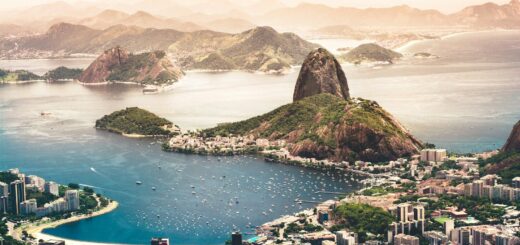
Brazil is South America’s largest country and one of the world’s most captivating destinations. Rio de Janeiro, Sao Paulo, the Amazon rainforest, the Pantanal, Salvador da Bahia, Iguazu Falls, Fernando de Noronha, the Northeast beaches, and the Lencois Maranhenses offer a staggering range of experiences. Brazil is vibrant, joyful, creative, and welcoming — and it is also one of the countries in South America where tourist safety requires the most careful attention.
Brazil has a high homicide rate compared to global averages, driven largely by gang violence concentrated in specific urban neighborhoods (favelas) and driven by drug trafficking. Tourists who understand which areas to avoid and which behaviors create risk can navigate Brazil safely. The vast majority of tourist visits to Rio, Sao Paulo, Salvador, Florianopolis, and other destinations proceed without serious incident.
Understanding that Brazil’s safety landscape varies enormously by city, neighborhood, time of day, and season is the foundational principle of safe travel here. Being visibly a tourist in the wrong place at the wrong time is the primary risk factor — and that is something you can control.
| ⚠ Arrastao (Mass Robbery Events) & Quicknapping Brazil has two tourist-specific serious crime types worth special mention. ‘Arrastao’ events — where gangs sweep a beach or public area and rob everyone in a coordinated manner — occur on some Rio beaches. ‘Quicknapping’ (express kidnapping) in Sao Paulo involves being forced into a taxi or followed from an ATM and made to empty bank accounts over several hours. Both can be avoided with appropriate precautions detailed in this guide. |
2. Understanding the Security Landscape
2.1 Overall Safety Assessment
Brazil’s homicide rate is among the highest in the world in absolute numbers, though concentrated in specific urban areas and gang-conflict zones. For tourists, the primary risks are theft, robbery, and in some cities, more serious crimes. The safest tourist destinations in Brazil are Fernando de Noronha, the Pantanal, the Amazon lodges, Bonito, Paraty, and some areas of Florianopolis and southern Brazil. Rio de Janeiro and Sao Paulo require more precaution.
2.2 Main Crime Types Affecting Tourists
- Opportunistic Theft: Theft of phones, bags, and cameras from pedestrians, beaches, and crowded areas.
- Quicknapping: Express kidnapping in Sao Paulo; forced ATM withdrawals.
- Gang Violence: Drug gang violence in favelas — tourists who enter unguided favelas risk crossing territorial lines.
- Beach Crime: Beach robberies, including arrastao events.
- Scams: Scams targeting tourists through overcharging, currency confusion, and fake services.
3. Safe Areas vs. Areas to Avoid
3.1 Rio de Janeiro
Rio’s main tourist areas and their safety profiles:
- Ipanema & Leblon: Ipanema and Leblon beaches and the surrounding neighborhoods are Rio’s safest tourist areas. Still require vigilance — do not take valuables to the beach.
- Copacabana: Generally safe for tourists in the tourist zone. The beach is popular but theft occurs — leave valuables in the hotel.
- Santa Teresa & Lapa: Historic neighborhood with bars and the Selaron Steps. Safe in the early evening. Higher risk after midnight and on isolated streets.
- Zona Sul (South Zone): Generally safe for daytime tourism (Pao de Acucar / Cable Car, Lagoa, Jardim Botanico).
Areas requiring extreme caution or to be avoided:
| ⚠ Favelas — Unguided Entry is Extremely Dangerous Favelas (informal communities) are territories controlled by armed drug gangs or, in some cases, militia groups. Entering an unguided favela as a tourist risks crossing gang boundaries, being caught in shootouts, or becoming a robbery target. Some favelas (Vidigal, Rocinha with certain tours) are relatively safe for guided tourism. Most are not. Never enter a favela without an experienced, trusted guide who has established relationships in that community. |
- Zona Norte & Baixada Fluminense: Rio’s Zona Norte (North Zone) and Baixada Fluminense have extremely high crime rates. These are not tourist areas.
- Centro Historico at Night: The historic center is worth visiting for the cultural sites (Cinelandia, Confeitaria Colombo) but becomes dangerous after dark and on weekends when it empties.
3.2 Sao Paulo
Sao Paulo is a global megacity of 22 million people. Safe tourist areas:
- Vila Madelena, Jardins & Pinheiros: Brazil’s premier nightlife and gastronomy district. Generally safe with awareness. Home to top restaurants and the famous Paulista Avenue.
- Avenida Paulista: The main avenue with excellent museums and restaurants. Safe during daylight and early evening.
- Itaim Bibi & Moema: Upscale neighborhood with excellent restaurants and shopping.
Areas requiring caution in Sao Paulo:
- Centro / Crackolandia: The area around Luz station and Crackolandia (an open-air drug market) is genuinely dangerous. Avoid at all times.
- Heliopolis, Brasilandia, and other peripheral favelas: Peripheral neighborhoods with high gang activity. Not tourist areas.
3.3 Salvador da Bahia
Salvador’s Pelourinho historic center is beautiful and has been revitalized. Daytime visits are generally safe. Be very cautious at night, especially away from the main tourist drag. The beaches of Porto da Barra are lovely but theft is a concern. Avoid isolated beach areas after dark.
3.4 Fortaleza, Recife & Northeast Brazil
Fortaleza has one of Brazil’s highest crime rates for a tourist city. Stick strictly to the tourist beach areas (Meireles, Iracema) and use taxis at night. Recife’s Boa Viagem beach area is safer; avoid the historic center at night. The beaches of Jericoacoara and Canoa Quebrada are generally safe with standard precautions.
3.5 Iguazu Falls (Foz do Iguacu)
The national park on the Brazilian side is safe and well-managed. Foz do Iguacu city has higher crime — use hotel transport to and from the park. The triple border area (Argentina, Brazil, Paraguay) at Ciudad del Este is known for smuggling and petty crime.
3.6 Amazon (Manaus & Belem)
Manaus and Belem are gateways to the Amazon. Both cities have high crime rates in peripheral areas — stick to tourist zones and use only verified lodge transportation. Amazon lodges themselves are generally very safe.
4. Transportation Safety
4.1 Taxis & Ride Apps
Never hail street taxis in Brazilian cities. Use 99 (Brazil’s most popular ride app), Uber, or InDriver. These are app-based, register the driver, and track routes. At airports, use only official taxi desks or pre-booked apps. The 99 app is particularly well-established in Brazil.
4.2 Buses in Rio & Sao Paulo
City buses are cheap but are among the riskiest transport options for tourists. Pickpocketing and robbery are common, especially during rush hours. If you must use a bus, keep bags in front, phones in pockets, and be very vigilant.
4.3 Metro Systems
Rio’s Metro is limited but connects key tourist areas (Ipanema-General Osorio, Copacabana, Botafogo, Centro). Generally safe during daylight. Sao Paulo’s Metro is extensive and generally safer than buses. Remain vigilant during rush hours.
4.4 Long-Distance Buses
Brazil’s long-distance bus network is extensive and generally safe. Use reputable companies: Itapemirim, JBL, Gontijo, Cometa. Travel during daylight when possible. For routes over 8 hours, flying is recommended.
4.5 Domestic Flights
LATAM Brasil, Gol, and Azul provide extensive domestic coverage. Given Brazil’s continental size, flying between cities is strongly recommended for safety and time efficiency.
5. Health & Medical Safety
5.1 Medical Facilities
Sao Paulo has world-class private hospitals (Hospital Sirio-Libanes, Hospital Israelita Albert Einstein). Rio de Janeiro also has excellent private facilities. Outside major cities, facilities diminish rapidly. Travel insurance with medical evacuation is essential for Amazon and remote areas.
5.2 Vaccinations
Required or strongly recommended: Yellow Fever vaccination is required for many Brazilian states (Minas Gerais, Goias, Mato Grosso, Para, Amazonas, etc.) and recommended for many others. Check requirements carefully by destination. Other recommended: Hepatitis A, Typhoid, Rabies (Amazon/rural). Dengue is endemic throughout Brazil — the country had a massive dengue outbreak in 2024. Use DEET 40%+ repellent. Zika and Chikungunya are also present.
| ⚠ Yellow Fever Vaccination Requirement Many Brazilian states require proof of Yellow Fever vaccination for entry, and several countries require proof of Yellow Fever if you have recently visited Brazil. Get vaccinated at least 10 days before departure. Carry your International Certificate of Vaccination (Yellow Card) with you throughout your trip. |
5.3 Water & Food
Do not drink tap water in Brazil. Bottled water is essential. Brazilian food is extraordinary — churrasco, feijoada, acaraje, fresh tropical fruits, acai. Eat at reputable establishments. Avoid raw shellfish in areas with water quality concerns.
5.4 Sun, Heat & Ocean
Brazil’s sun is intense, particularly in the north. Use SPF 50+ sunscreen, stay hydrated, and rest during midday. Ocean currents on Brazil’s Atlantic coast can be powerful. Rip currents and large waves have drowned tourists. Always check conditions and swim at guarded beaches when possible.
6. Natural Hazards
6.1 Floods & Landslides
Brazil is prone to severe flooding and landslides during rainy season (November–March in most regions). The 2010 Nova Friburgo and 2011 Serrana (Rio state) disasters killed thousands. In 2024, catastrophic floods hit Rio Grande do Sul. Avoid building in flood zones during rain. Follow weather alerts.
6.2 Amazon Hazards
The Amazon contains genuine wildlife hazards: venomous snakes (lancehead vipers), electric eels, piranhas, caimans, jaguars, and thousands of biting insects. Always hike and swim with licensed guides. Do not enter water without local guidance. Take anti-malarial medication if visiting deep Amazon areas.
6.3 Pantanal
The Pantanal — the world’s largest tropical wetland — is safe with guides. Anacondas, caimans, jaguars, and piranha are present. Only access with licensed lodge operators.
7. Common Scams Targeting Tourists in Brazil
7.1 Rio de Janeiro Scams
| Scam Name | How It Works | How to Avoid It |
| Beach Arrastao | Gang sweeps the beach in a coordinated mass robbery, overwhelming bystanders. | Leave all valuables in your hotel. Bring only what you are willing to lose to the beach. Use only waterproof phone pouches. |
| Goodwill Friendship Bracelet | Person ties a bracelet on your wrist and demands payment. Becomes confrontational if you refuse. | Decline firmly and walk away. Do not allow strangers to touch your person. |
| Taxi Robbery | Street taxi drives you to a quiet area with an accomplice inside and robs you. | Only use 99, Uber, or InDriver. Never hail a street taxi. |
| Favela ‘Tour’ | A friendly local offers to take you into a favela. Leads you into danger. | Only enter favelas with established, vetted tour companies with documented safety records. |
| Overpriced Caipirinha Bar Scam | Tourist is lured to a bar and overcharged dramatically, sometimes with threats. | Choose bars with posted prices. Research venues before visiting. Go with companions. |
7.2 Sao Paulo Scams
| Scam Name | How It Works | How to Avoid It |
| Quicknapping (Express Kidnapping) | Victim is followed from an ATM or taken by fake taxi. Driven around for hours while forced to make maximum ATM withdrawals. | Use ATMs inside banks. Use only app-based rides. Share your location with companions. Set daily ATM withdrawal limits low. |
| Boa Noite Cinderela (Good Night Cinderella) | Drug slipped into victim’s drink at a bar or party (usually scopolamine). Victim robbed, sometimes assaulted. | Never leave your drink unattended. Do not accept drinks from strangers. Be very cautious in nightlife settings. |
| Fake iPhone/Electronics Sale | Someone offers to sell a sealed box containing a ‘brand new’ phone. Box contains bricks or cheap imitation. | Never buy electronics from street sellers. Retail stores only. |
| Currency Confusion | With Brazil’s large-denomination Real notes, change is ‘accidentally’ given incorrectly. | Know current BRL denominations. Count change immediately after every transaction. |
7.3 General Brazil Scams
| Scam Name | How It Works | How to Avoid It |
| Fake Police | Plainclothes individuals claim to be detectives inspecting for drug money. Steal cash and cards. | Never show wallet to plainclothes police. Insist on official police station. Real police in Brazil do not do wallet checks on the street. |
| ATM Skimming | Compromised ATMs in tourist areas. | Use only ATMs inside bank branches during business hours. Shield PIN. |
| Carnival Pickpockets | Carnival events in Rio, Salvador, and throughout Brazil attract massive crowds and organized pickpocket teams. | Do not carry valuables to Carnival. Use a simple, minimal bag or money belt under clothing. |
| Inflated Airport Taxi | Touts outside arrivals at Galeao or Guarulhos offer inflated taxi rates. | Use official taxi desks inside terminals or book 99/Uber inside the arrival hall while on terminal Wi-Fi. |
| Fake Tour Operators for Amazon / Pantanal | Unofficial operators sell substandard, unsafe tours to natural areas. | Only book Amazon and Pantanal tours through registered, reviewed lodge operators. Never with street touts. |
8. Legal Considerations for Tourists
- Currency: Brazil uses the Brazilian Real (BRL). USD is not widely accepted outside of international hotels.
- Drug Laws: Drug possession is technically illegal but for small personal amounts is treated as a health issue rather than criminal. Trafficking penalties are severe (5–15 years). Do not carry any substances.
- ID & Documents: Brazilian law requires foreigners to carry identification. A certified copy of your passport is acceptable in most situations. Always carry your Yellow Fever vaccination certificate.
- Photography: Photographing military installations, federal buildings, or inside airports may be restricted. Ask before photographing individuals, especially in indigenous or remote communities.
- LGBTQ+ Rights: Brazil has strong LGBTQ+ rights — same-sex marriage legal since 2013. Rio and Sao Paulo are very LGBTQ+ friendly. More conservative behavior is advisable in rural or conservative areas.
- Environmental Laws: Brazil has strict environmental laws. Do not remove any natural materials (shells, sand, coral) from beaches or parks.
9. Cultural Tips for Staying Safe
- Cultural Warmth: Brazilians are warm, tactile, and expressive. Genuine engagement with their culture, music, and food creates human connection that enhances your safety.
- Dress Down: Avoid wearing expensive watches, jewelry, or displaying high-end phones. Dress simply in public areas.
- Portuguese Phrases: Learn some Portuguese — Brazilians respond very warmly to tourists who make the effort. Key phrases: ‘Fui roubado’ (I was robbed), ‘Chame a policia’ (Call the police), ‘Preciso de ajuda’ (I need help).
- Carnival Safety: Carnival is the most extraordinary cultural event in South America — go, experience it, but leave all valuables in your hotel. Wear a minimal money belt.
- Music & Culture: Brazil’s music — samba, bossa nova, forro, axe — is everywhere. Embracing it in reputable venues (not deserted streets) is part of the experience.
10. Emergency Contacts & Resources
| Service | Number / Details |
| Emergency (Police/Fire/Ambulance) | 190 / 192 / 193 |
| Federal Police | 194 |
| Tourist Police (Delegacia de Turismo) Rio | +55 21 2332-2924 |
| Hospital Sirio-Libanes Sao Paulo (private) | +55 11 3155-0200 |
| Hospital Albert Einstein Sao Paulo (private) | +55 11 2151-1233 |
| Hospital Barra D’Or Rio (private) | +55 21 3325-9100 |
| Cruz Vermelha Brasileira | +55 21 3235-3400 |
| US Embassy Brasilia | +55 61 3312-7000 |
| US Consulate Rio de Janeiro | +55 21 3823-2000 |
| US Consulate Sao Paulo | +55 11 3250-5000 |
| UK Embassy Brasilia | +55 61 3329-2300 |
| Canadian Embassy Brasilia | +55 61 3424-5400 |
| Australian Embassy Brasilia | +55 61 3226-3111 |
| Embratur (Tourism Board) | +55 61 2023-7800 |
11. Quick Reference Safety Checklist
Before You Depart
- Check government travel advisory for Brazil (updated frequently for specific cities)
- Get Yellow Fever vaccination — carry your Yellow Card
- Purchase travel insurance with medical evacuation
- Install 99 and Uber apps before arrival
- Download offline Google Maps for each city
- Research your accommodation neighborhood carefully
- Pack DEET 40%+ insect repellent (dengue prevention)
- Set daily ATM withdrawal limits low to minimize quicknapping losses
- Research specific favela tour operators if this is in your plans
- Register your trip with your embassy
During Your Trip
- ONLY use 99 or Uber for all city transportation
- Leave all valuables in hotel safe when going to the beach
- Never hail a street taxi
- Keep phone in pocket while walking (not in hand)
- Use ATMs inside bank branches only
- Never enter a favela without a vetted guide
- Do not accept drinks from strangers at bars
- Book Amazon/Pantanal tours through registered lodge operators only
- Carry your Yellow Fever card at all times
- Have emergency contacts saved offline in your phone
| ✔ Brazil — The World’s Most Exuberant Country No country on Earth matches Brazil’s combination of spectacular natural beauty, extraordinary biodiversity, world-class food, and infectious cultural energy. With proper precautions — especially around transportation safety, beach vigilance, and drink safety — millions of travelers explore Brazil safely every year and leave with memories that last a lifetime. |