Staying Safe in ARGENTINA
1. Introduction & Country Overview
Argentina is South America’s second-largest country and one of its most culturally rich destinations. Buenos Aires is a world-class cosmopolitan metropolis with extraordinary food, tango, nightlife, architecture, and culture. Patagonia — shared with Chile — offers some of the most spectacular wilderness on Earth. The wine regions of Mendoza, the Iguazu Falls, the Salta highlands, and the Lake District round out an extraordinary travel portfolio.
Argentina is generally considered safer than many of its South American neighbors, with a lower homicide rate than Brazil, Colombia, or Venezuela. However, Buenos Aires has seen a notable increase in crime in recent years, particularly theft, motorcycle robbery (motochorros), and express kidnapping. Economic instability — Argentina has experienced persistent currency crises — adds a layer of complexity around money management that every tourist must understand.
The informal currency exchange market (the ‘blue dollar’ or ‘dolar blue’) is a unique feature of traveling in Argentina during periods of economic instability. Understanding this is important both for getting good value and for avoiding scams.
| ⚠ The Blue Dollar — Argentina’s Currency Complexity Argentina has historically maintained official exchange rates that diverge significantly from the ‘blue dollar’ (informal market rate). Depending on the timing of your visit, the gap can be enormous — sometimes 2–3x the official rate. Always research the current situation before visiting. Using the official rate means your money goes much less far. However, informal exchange carries risks (counterfeit bills, scams). Use only trusted exchange houses or withdraw at ATMs that use competitive rates. Do NOT exchange money on the street. |
2. Understanding the Security Landscape
2.1 Overall Safety Assessment
Argentina is one of the safer countries in South America overall. However, Buenos Aires specifically has seen increased crime. The main risks are opportunistic theft and street crime, motorcycle theft, and express kidnapping in the capital. Patagonia, Mendoza, Cordoba, and most other tourist destinations outside Buenos Aires have low crime rates and are very safe for tourists.
2.2 Main Threats
- Motochorro (Motorcycle Robbery): Motorcycle-based snatching of phones, bags, and jewelry. Highly common in Buenos Aires.
- Express Kidnapping: Brief forced ATM withdrawals. Reported in Buenos Aires, particularly following victims from ATMs.
- Pickpocketing: Pickpocketing in crowded areas, subways, and markets.
- Currency Scams: Currency exchange deceptions.
- Street Robbery: Isolated robberies in tourist areas late at night.
3. Safe Areas vs. Areas to Avoid
3.1 Buenos Aires
Buenos Aires is divided into barrios (neighborhoods) with very different safety profiles:
- Recoleta: Very safe. Upscale shopping, restaurants, galleries, and the famous La Recoleta Cemetery. Excellent for tourists.
- Palermo (Soho, Hollywood, Botanico): Safe, vibrant neighborhood with independent shops, cafes, and cinema. Great for wandering.
- San Telmo & Puerto Madero: Trendy, up-and-coming neighborhood. Generally safe with awareness.
- San Telmo (Nights): San Telmo has the famous Sunday market. Safe during the day, higher risk late at night.
- Belgrano: Beautiful, quiet neighborhood near Recoleta. Very safe.
Areas requiring more caution:
- La Boca (Caminito Area Only): The port area, once gentrified, still has higher crime on peripheral streets. The famous ‘conventillos’ tango venues are safe but be cautious walking to and from.
| ⚠ La Boca — Caminito Tourists Only La Boca is a famous working-class neighborhood known for colorful Caminito street and the Boca Juniors stadium. Within the Caminito tourist zone during the day, it is safe. The surrounding neighborhood is a different story — high crime, gang activity, and robberies of tourists who wander beyond the tourist perimeter. Stick strictly to Caminito and do not walk beyond the tourist zone. |
- Greater Buenos Aires Periphery: The Conurbano (outer suburban ring of Buenos Aires) has high crime. Do not wander off the tourist circuit.
3.2 Patagonia
Bariloche, El Calafate, El Chalten, Ushuaia, and the Lake District are among Argentina’s safest tourist destinations. Crime is very low. The main hazards are natural: extreme weather, remote terrain, and challenging hiking conditions.
3.3 Mendoza
Mendoza is a relaxed, safe city surrounded by vineyards and the Andes. Crime rates are low. The city center is walkable and tourist-friendly.
3.4 Iguazu Falls
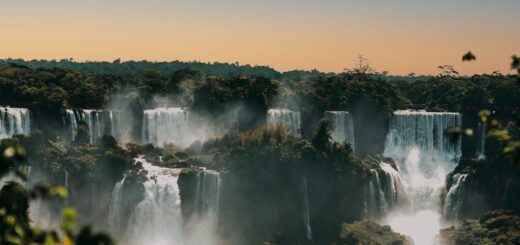
Iguazu National Park on the Argentine side (Puerto Iguazu) is well-managed and safe. The town of Puerto Iguazu is generally safe for tourists. Cross to the Brazilian side for the panoramic views (see Brazil guide).
4. Transportation Safety
4.1 Taxis in Buenos Aires
Official taxis in Buenos Aires are black with a yellow roof. They use meters. The safest option is to use Cabify, Uber, or InDriver — app-based and trackable. Remises (private car services booked by phone or at kiosks) are also very safe. At Ezeiza International Airport, use only the official pre-paid taxi/remise desks inside the terminal — do not take taxis offered by touts outside.
4.2 Subte (Buenos Aires Metro)
Buenos Aires has an extensive subway system (Subte). Generally safe during the day. Be vigilant during rush hours — crowded trains are pickpocket-friendly. Do not display phones or valuables on the Subte.
4.3 Long-Distance Buses
Argentina has an outstanding long-distance bus network. Cama (reclining bed) buses are comfortable and a popular, safe way to travel. Companies include Andesmar, Flechabus, Via Bariloche, and Crucero del Norte. The main Retiro Bus Terminal in Buenos Aires can be chaotic — use registered taxi apps or remises from the terminal.
4.4 Domestic Flights
Aerolineas Argentinas, LATAM, and Flybondi cover domestic routes. Given Argentina’s vast distances, flying is recommended for Patagonia destinations. Book early for best prices.
5. Health & Medical Safety
5.1 Medical Facilities
Buenos Aires has excellent private hospitals: Hospital Aleman, Hospital Britanico, Clinica y Maternidad Suizo-Argentina. Medical care outside major cities is adequate but diminishes in remote Patagonian areas. Comprehensive travel insurance is recommended.
5.2 Vaccinations
No specific vaccinations are required for most of Argentina. Hepatitis A, Typhoid, and routine vaccinations are recommended. Yellow Fever is advisable if visiting Iguazu. Dengue has been reported in northern Argentina (Salta, Jujuy, Misiones). Hantavirus is present in rural Patagonia — avoid contact with rodents and their droppings.
5.3 Water & Food
Tap water in Buenos Aires is safe to drink. In rural and Patagonian areas, use bottled water or a filter. Argentine cuisine is outstanding — asado (barbecue), empanadas, and dulce de leche are unmissable. Food safety standards at reputable restaurants are generally high.
5.4 Patagonia Hazards
Extreme weather in Patagonia — wind, rain, snow, and sudden changes — is a major hazard. Always carry cold-weather gear, waterproofs, and food/water for hikes longer than 1 hour. Even in summer, weather can turn dangerous within minutes. Inform your accommodation of your hiking plans.
6. Natural Hazards
6.1 Volcanic Activity
Patagonia has several volcanoes near the Chilean border. Villarrica (Chilean, near Pucon) has affected Argentine border areas with ash. Check SEGEMAR (Argentine geological agency) for current volcanic alerts.
6.2 Flooding
Northern Argentina experiences seasonal flooding in the Litoral provinces. Iguazu Falls region can have road closures after heavy rain.
6.3 Earthquakes
The Cuyo region (Mendoza, San Juan) is the most seismically active area in Argentina. A massive earthquake struck San Juan in 1944. Know earthquake procedures.
7. Common Scams Targeting Tourists in Argentina
| Scam Name | How It Works | How to Avoid It |
| Motochorro (Motorcycle Snatch) | A rider pulls up alongside a pedestrian and grabs a phone, bag, or jewelry. | Keep phones in pockets (not hands) while walking. Hold bags on the wall side of the sidewalk (away from the road). Do not use your phone while walking on busy streets. |
| Blue Dollar Scam | Street changers (‘arbolitos’) outside exchange houses offer attractive rates but use sleight of hand, give counterfeit bills, or shortchange. | Never exchange money with street changers. Use reputable exchange houses (casas de cambio), your hotel, or trusted apps. Check every bill received. |
| Taxi Overcharge (Trucho Taxi) | Unofficial or tampered-meter taxis charge inflated fares. Common from Ezeiza airport. | Use Cabify, Uber, or pre-paid airport taxi desks. Insist on the meter in official taxis. |
| Mustard / Ketchup Trick | Liquid dropped on tourist; helper appears, distracts, and pickpockets. | Decline any unsolicited help from strangers who appear suddenly. |
| ATM Following | Criminals observe tourists at ATMs and follow them to rob them. | Use ATMs inside bank branches. Keep withdrawal amounts discreet. Go with company. |
| Restaurant ‘Cubierto’ Confusion | Restaurants charge a ‘cubierto’ (table service charge) that surprises tourists. | Check for cubierto on menus. It is legal and standard in Argentina. |
| Change Confusion (Peso Notes) | Given Argentina’s economic volatility, new peso denominations are regularly introduced. Vendors claim they do not have change for large bills. | Carry a range of denominations. Be aware of current peso note sizes. |
| Fake Tour to Tango Show | Touts sell ‘exclusive’ tango show tickets at inflated prices. | Research tango shows in advance. Book through hotels or reputable sites. |
| Express Kidnapping | Victim followed from ATM, forced into a taxi, and driven to empty bank accounts. | Use ATMs inside banks. Vary your routine. Share your location with a companion. |
| Pickpocketing on Subte | Teams work the Subte during rush hour. One blocks, another takes. | Keep bag in front, phone in pocket, be aware during rush hour. |
8. Legal Considerations for Tourists
- Currency: Argentina uses the Argentine Peso (ARS). Exchange rate volatility is a defining feature — always check current rates.
- Drugs: Marijuana use has been decriminalized for personal amounts. All other drugs are illegal.
- ID: Carry a copy of your passport. Argentine law requires foreigners to carry ID.
- Consumer Rights: Argentina has strong consumer protection laws — keep receipts for all purchases.
- LGBTQ+ Rights: Same-sex marriage is legal in Argentina (since 2010). Buenos Aires is generally very LGBTQ+ friendly.
9. Cultural Tips for Staying Safe
- Cultural Engagement: Porteños (Buenos Aires residents) are sophisticated, opinionated, and culturally proud. Engaging genuinely with Buenos Aires culture — food, tango, football, literature — earns respect.
- Late Night Culture: Dinner in Argentina starts very late — 9pm is standard, midnight not uncommon. Nightlife begins after 1am. Plan around this for safety (always use apps for late-night taxis).
- Discretion: Do not display expensive watches or jewelry on the street in Buenos Aires.
- Spanish Phrases: Key phrases: ‘Me robaron’ (I was robbed), ‘Ayuda’ (help), ‘Llame a la policia’ (call the police).
- Pace: Argentina is enormous — give adequate time to each destination. Rushing leads to fatigue and lowered awareness.
10. Emergency Contacts & Resources
| Service | Number / Details |
| Emergency (Police/Fire/Ambulance) | 911 |
| Tourist Police (CNRT) | +54 11 4313-0303 |
| Hospital Aleman Buenos Aires (private) | +54 11 4827-7000 |
| Hospital Britanico Buenos Aires (private) | +54 11 4309-6400 |
| Cruz Roja Argentina | +54 11 4952-2181 |
| US Embassy Buenos Aires | +54 11 5777-4533 |
| UK Embassy Buenos Aires | +54 11 4808-2200 |
| Canadian Embassy Buenos Aires | +54 11 4808-1000 |
| Australian Embassy Buenos Aires | +54 11 4779-3500 |
| Ezeiza Airport (main intl) | +54 11 5480-6111 |
| Argentina Tourism Board (INPROTUR) | +54 11 4312-2232 |
11. Quick Reference Safety Checklist
Before You Depart
- Check government travel advisory for Argentina
- Research current ARS exchange rates and best practices
- Purchase travel insurance
- Install Cabify, Uber, InDriver apps
- Download offline Google Maps for Buenos Aires and destinations
- Book reputable accommodation in safe neighborhoods (Palermo, Recoleta)
- Pack cold-weather gear for Patagonia visits
- Register your trip with your embassy
During Your Trip
- Use Cabify/Uber for all taxis in Buenos Aires
- Keep phone in pocket while walking (not in hand)
- Stick to Caminito tourist zone in La Boca
- Never exchange money with street changers
- Use ATMs inside bank branches during daylight
- Attend tango shows booked through reputable venues
- Travel in Patagonia with full weather gear always
- Book late-night taxis via app, never hail on street
| ✔ Argentina — South America’s Most European City and Wild Southern Heart From Buenos Aires’s tango halls and extraordinary restaurants to the awe-inspiring glaciers of Patagonia, Argentina is a destination that rewards visitors with genuine world-class experiences. Stay street-smart in the capital, embrace the culture, and Patagonia will leave you speechless. |