Staying Safe in PERU
1. Introduction & Country Overview
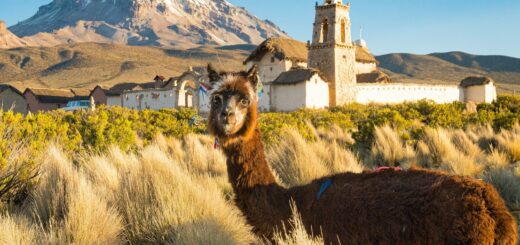
Peru is one of South America’s most iconic destinations, home to Machu Picchu — one of the New Seven Wonders of the World — the Nazca Lines, the Amazon rainforest, the Colca Canyon, the Uros floating islands of Lake Titicaca, and one of the world’s most celebrated culinary scenes. Lima has emerged as a global gastronomy capital, and the ancient Inca heartland around Cusco draws millions of visitors annually.
Peru is a middle-income country with significant economic inequality. Tourism is one of its most important industries, and the vast majority of visitors to popular tourist circuits have safe, memorable experiences. However, petty theft, scams targeting tourists, and altitude sickness are among the most common challenges visitors face. Certain regions carry elevated security risks due to drug trafficking and remnant terrorist activity.
The main tourist circuit — Lima, Cusco, Machu Picchu, the Sacred Valley, and Lake Titicaca — is well-established and reasonably safe for prepared travelers. The Amazon region, Pacific coast, and northern Peru (Chan Chan, Mancora) offer additional adventures with varying safety considerations.
| ⚠ Altitude Sickness — A Real Medical Risk in Peru Cusco sits at 3,400m (11,150 ft), Lake Titicaca at 3,810m (12,500 ft), and some mountain passes exceed 4,500m. Altitude sickness (soroche) is a serious medical condition that affects many visitors. Symptoms include severe headache, nausea, shortness of breath, and in serious cases, life-threatening pulmonary or cerebral edema. Do not underestimate altitude. Acclimatize properly, ascend gradually, consult a doctor about Diamox, and descend immediately if symptoms become severe. |
2. Understanding the Security Landscape
2.1 Overall Safety Assessment
Peru has a moderate crime rate for South America. The main security concerns for tourists are opportunistic theft and scams in tourist areas, express kidnappings in Lima, and drug trafficking-related violence in certain rural areas. The Sendero Luminoso (Shining Path) terrorist group, once a major national security threat, is now primarily confined to the remote VRAEM valley region (Apurimac, Ene, and Mantaro Rivers) and poses minimal risk to tourists in main destinations.
2.2 Main Threats to Tourists
- Pickpocketing & Bag Theft: The most common crime. Very common in Lima’s Miraflores and San Isidro, Cusco’s Plaza de Armas, and bus stations.
- Express Kidnapping: Brief forced ATM withdrawals. Reported in Lima after tourists are drugged or followed from ATMs.
- Drink Spiking: Drug-spiked drinks leading to robbery or assault. Less common than in Colombia but reported in Lima and Cusco nightlife.
- Tourist Scams: Sophisticated deceptions targeting tourists (see Section 7).
- Road Accidents: Road accidents on mountain roads. A significant cause of tourist deaths.
- Altitude Sickness: Acute mountain sickness, particularly in Cusco and high Andean areas.
3. Safe Areas vs. Areas to Avoid
3.1 Lima
Lima is a sprawling megacity of 10+ million people. Safe areas for tourists include:
- Miraflores: The main tourist district with cliff-top parks, excellent restaurants, Larcomar mall, and many hotels. Well-patrolled and tourist-friendly. Crime is present but manageable with awareness.
- San Isidro: Lima’s financial and diplomatic district. Very safe.
- Barranco & Central Lima (Historic): Colonial Lima’s historic center — UNESCO World Heritage Site. The Plaza Mayor, cathedral, and monasteries are unmissable. Safe during the day when the area is busy. Avoid at night.
- Barranco: Bohemian neighborhood with bars, galleries, and restaurants. Safe in the early evening; be aware of surroundings late at night.
Areas to avoid in Lima:
- Peripheral Lima Districts: Most of Greater Lima outside of the tourist districts carries elevated crime risk. Avoid Callao port area, La Victoria, Rimac (except with a guide), Villa El Salvador, and peripheral shantytowns.
| ⚠ Lima Airport Area (Callao) The area around Jorge Chavez International Airport is in Callao district, which has high crime rates. Arrange airport pickup with your hotel or use a verified taxi/Uber. Do not wander outside the airport terminal. Robberies of tourists between the airport and Miraflores have been reported, particularly in unofficial taxis. |
3.2 Cusco
Cusco is the most visited city in Peru and the gateway to Machu Picchu. Safe tourist zones include the Plaza de Armas, San Blas neighborhood, and Avenida El Sol. Pickpocketing is extremely common in the market areas (San Pedro Market), crowded streets, and at night in the bar zone (Calle Procuradores / Gringo Alley). Avoid isolated streets at night and do not walk alone to the distant ruins at night.
3.3 Machu Picchu & Sacred Valley
Machu Picchu and the Sacred Valley are generally very safe. The main risks are: falls on poorly marked trails, altitude sickness, and theft at the market in Aguas Calientes (the town below Machu Picchu). Keep your bag secure in Aguas Calientes. Book official transportation and tickets through verified agencies.
3.4 Lake Titicaca & Puno
Puno city is navigable for tourists during the day. The lake and floating islands are highlights. Avoid walking alone at night in Puno. The road between Cusco and Puno passes through extremely high altitude — be aware of altitude effects.
3.5 Amazon Region
Iquitos (accessible only by air or river), Puerto Maldonado, and Manu Biosphere Reserve are the main Amazon destinations. Crime rates are low but natural hazards are high. Only explore the Amazon with licensed, experienced guides. The border regions with Colombia, Brazil, and Ecuador have higher risk due to drug trafficking.
3.6 Areas to Avoid
- VRAEM (Ayacucho/Apurimac river valleys): Active Sendero Luminoso territory. No tourist activity.
- Remote border areas — Puno/Bolivia: Drug trafficking activity near Bolivian border in Puno department.
- Loreto (near Colombian border): Cocaine trafficking routes increase risk in this remote Amazonian border area.
4. Transportation Safety
4.1 Taxis in Lima
Lima has no official, regulated taxi system. This means any vehicle can technically be a taxi, creating significant risk. Safest options: Use Uber, InDriver, Cabify, or Taxi Beat. These are app-based, have registered drivers, and routes are tracked. Avoid hailing street taxis. At the airport, use pre-booked official taxi services recommended by your hotel.
4.2 Taxis in Cusco
Cusco has more regulated taxis but caution still applies. Agree on fares before entering. Uber operates in Cusco. Use InDriver as an alternative. Collective taxis (colectivos) are cheap but crowded and not recommended for tourists with luggage.
4.3 Long-Distance Buses
Peru has an extensive and popular bus network. For safety, use first-class bus companies: Cruz del Sur, Ormeno, OLTURSA, Tepsa, or Peru Hop. These offer comfortable seats, working seatbelts, and generally more reliable drivers. Avoid budget night buses on mountain routes — the road between Cusco and Puno in particular passes through high-risk altitude and narrow mountain roads.
| ⚠ Bus Accidents on Mountain Roads Peru has one of the highest rates of fatal bus accidents in South America. Mountain roads with blind curves, steep drop-offs, and poorly maintained vehicles have caused numerous fatal crashes involving tourists. Always use reputable, first-class bus companies. Avoid budget operators on overnight mountain routes. |
4.4 Train to Machu Picchu
The only official ways to reach Machu Picchu are the train (Peru Rail or Inca Rail from Cusco or Ollantaytambo) or hiking the Inca Trail/alternative treks. Book trains well in advance — they sell out during peak season. Only purchase tickets through official Peru Rail or Inca Rail websites or authorized agents.
4.5 Domestic Flights
Latam Peru, Sky Airline, and Star Peru operate domestic routes. Flying saves significant time and eliminates mountain road risks. Flying to Cusco from Lima is strongly recommended over the 22-hour bus journey.
5. Health & Medical Safety
5.1 Altitude Sickness (Soroche) — Detailed Guidance
This is the most important health concern for most tourists visiting Peru. Prevention and management strategies include:
- Gradual Acclimatization: Spend 2–3 days in Cusco before hiking or exerting yourself. Rest on arrival. Do not fly directly from Lima to Cusco and then immediately hike.
- Coca Tea: Coca tea (mate de coca) is legal in Peru and is a traditional remedy for mild altitude symptoms. It is mildly effective for mild cases.
- Diamox: Acetazolamide (Diamox) can be prescribed by a doctor and is effective in preventing altitude sickness. Start 1–2 days before ascending.
- Hydration: Drink 3–4 liters of water per day at altitude. Avoid alcohol for the first 24–48 hours.
- When to Descend: If symptoms include confusion, inability to walk straight, or chest tightness (signs of HACE or HAPE), descend immediately and seek emergency medical help.
5.2 Medical Facilities
Lima has excellent private hospitals: Clinica Ricardo Palma, Clinica San Borja, Clinica Internacional. In Cusco: Hospital Nacional Adolfo Guevara Velasco and several private clinics. In Aguas Calientes and remote areas, facilities are very limited. Travel insurance with medical evacuation is essential.
5.3 Vaccinations
Required: Yellow Fever if visiting Amazon jungle. Recommended: Hepatitis A, Hepatitis B, Typhoid, Tetanus, Rabies (for rural travel). Dengue, Zika, and Malaria are risks in the Amazon region — use DEET repellent and consider anti-malarial medication if visiting jungle areas.
5.4 Water & Food
Do not drink tap water in Peru. Bottled water is widely available and essential. Lima’s food scene is extraordinary — eat at established restaurants and enjoy ceviche, lomo saltado, and causa. In tourist areas, food hygiene is generally acceptable but street food carries higher risk. At altitude, digestion slows — eat lighter meals initially.
6. Natural Hazards
6.1 Earthquakes
Peru sits on the Pacific Ring of Fire and experiences frequent seismic activity. A devastating earthquake struck the Ancash region in 1970 (70,000 dead) and other significant quakes have hit Lima and Ica. Know earthquake procedures.
6.2 Flooding & Landslides
The Andes experience heavy rainfall January–April. Flooding can cut the railway to Machu Picchu (as occurred in 2010 and 2023). Check rail and road status during rainy season. Landslides on mountain roads can be sudden and deadly.
6.3 Amazon Hazards
The Amazon contains real wildlife hazards including piranhas (mostly benign unless in drought conditions), electric eels, caimans, anacondas, jaguars (extremely rare encounters), and numerous venomous insects and snakes. Always follow your licensed guide’s instructions. Do not swim in unknown bodies of water.
6.4 Volcanic Activity
El Misti volcano near Arequipa is active. Sabancaya erupts regularly. Check INGEMMET geological institute alerts before planning volcano hikes.
7. Common Scams Targeting Tourists in Peru
7.1 The ‘Friend Making’ Scam (Cusco)
| ⚠ The Cusco Friend Scam A friendly local befriends you in Cusco’s Plaza de Armas or around tourist sites. They offer to take you to a ‘local’ bar or restaurant, which turns out to be a front. Either drinks are spiked, you are overcharged massively with no way out, or your new ‘friends’ rob you. This is one of the most reported scams in Peru. Be very cautious of overly friendly strangers who approach you in tourist areas. |
7.2 Transportation Scams
| Scam Name | How It Works | How to Avoid It |
| Unlicensed Lima Airport Taxis | Touts outside arrivals offer rides and overcharge, or in worst cases rob tourists en route. | Use Uber or pre-booked hotel transfers. Only use official airport taxi counters inside the terminal. |
| Taxi Meter Fraud | Driver uses tampered or switched-on meter that runs fast. | Use app-based services (Uber, InDriver) or agree on a fixed price before entering. |
| Fake Bus Tickets | Touts sell ‘discounted’ bus tickets that are counterfeit or for non-existent services. | Buy tickets only from official bus company offices or their websites. |
| Inca Trail Scam | Unofficial operators sell ‘Inca Trail’ permits that are fake or heavily discounted. No permit = no entry. | Book Inca Trail permits only through licensed agencies. Permits sell out months in advance — book early. |
7.3 Money Scams
| Scam Name | How It Works | How to Avoid It |
| Counterfeit Soles | Fake Peruvian soles passed as change, especially S/50 and S/100 notes. | Check bills for security features (thread, watermark). Use ATMs inside banks for cash. |
| ATM Skimming & Shoulder Surfing | Card readers compromised; PIN observed by nearby individuals. | Shield your PIN. Use ATMs inside bank branches. Check for tampered readers. |
| Street Money Changers | Changers offer good rates but shortchange or use sleight of hand. | Use ATMs or official exchange houses (casas de cambio). Never exchange on the street. |
| Wrong Change | Vendors and taxi drivers give incorrect change to tourists unfamiliar with soles. | Familiarize yourself with Peruvian Soles denominations. Count change immediately. |
7.4 Tourist Site Scams
| Scam Name | How It Works | How to Avoid It |
| Photo with Locals / Animals | In Cusco, women in traditional dress with llamas or baby animals invite you to photograph. Afterwards they demand large payments and can become aggressive. | Agree on a price BEFORE any photograph. Walk away firmly if you are not interested. |
| Fake Machu Picchu Tickets | Online fraudsters sell fake or invalid Machu Picchu entry tickets. | Buy Machu Picchu tickets ONLY from the official government website (machupicchu.gob.pe) or authorized agents. |
| Overpriced Machu Picchu Tours | Agencies sell tours at 3–5x normal prices near major sites. | Research and book tours at home or through your hotel. Compare prices online. |
| Bogus Shaman / Spiritual Ceremony | Fake ‘shamans’ in Cusco offer Ayahuasca ceremonies at low prices. Risks include bad preparation, robbery while incapacitated, or dangerous drug interactions. | If pursuing Ayahuasca ceremonies, do extensive research and use highly reputable, safety-focused retreat centers only. |
| Alpaca / Llama Wool Scam | Vendors sell items claiming to be 100% alpaca wool that are synthetic or blends. | Buy alpaca products from reputable stores (Centro Artesanal Cusco, official markets) and look for certification labels. |
7.5 Digital & Accommodation Scams
| Scam Name | How It Works | How to Avoid It |
| Fake Guesthouses in Aguas Calientes | Online bookings for accommodation near Machu Picchu that doesn’t exist or is drastically misrepresented. | Book only through Booking.com, Airbnb, or hotels directly. Cross-check addresses on Google Maps. |
| Fake Wi-Fi | Hotspots in tourist areas used to intercept data. | Verify network names with staff. Use a VPN. |
| Tour Operator Vanishes | Small tour operators take deposits then disappear, especially for multi-day treks. | Use established, registered agencies. Pay with credit card for chargeback protection. Verify operator registration with iPeru. |
8. Legal Considerations for Tourists
- Currency: Peru uses the Peruvian Sol (PEN). USD is widely accepted in tourist areas. Check current rates.
- Drug Laws: Possession of any illegal drug is a serious offense. Despite Peru being a major coca-producing country, drug tourism is illegal and penalties are severe (up to 25 years for trafficking).
- Coca Leaves: Coca leaves are legal in Peru (not cocaine). Chewing coca leaves or drinking coca tea is legal and traditional.
- ID: Always carry a copy of your passport. Police checks occur, especially in border areas.
- Archaeological Site Rules: Machu Picchu and other archaeological sites have strict rules: no drones without permits, no removal of artifacts, no off-trail hiking.
- Inca Trail: The Inca Trail requires advance permits and must be hiked with a licensed agency. Independent hiking is not permitted.
9. Cultural Tips for Staying Safe
- Indigenous Respect: Peru’s indigenous Quechua and Aymara communities deserve deep respect. Ask before photographing. Learn a few Quechua words — ‘Allianchu?’ (How are you?) will delight locals.
- Food Culture: Peruvians are proud of their cuisine. Engaging genuinely in food culture is a wonderful safety asset — locals who see you as a respectful food enthusiast are natural allies.
- Altitude & Alcohol: At altitude, avoid alcohol for the first 24–48 hours. Alcohol intensifies altitude sickness dramatically.
- Spanish Phrases: Spanish is essential. In more remote communities, Quechua may be more common. Key phrases: ‘Me han robado’ (I’ve been robbed), ‘Llamen a la policia’ (Call the police), ‘Tengo soroche’ (I have altitude sickness).
- Bargaining: Bargaining is common in markets (not in established stores). Be respectful and good-natured in negotiations.
10. Emergency Contacts & Resources
| Service | Number / Details |
| Emergency (Police, Fire, Ambulance) | 105 (Police), 116 (Ambulance), 116 (Fire) |
| Tourist Police (POLTUR) Lima | +51 1 460-0849 |
| Tourist Police — Cusco | +51 84 235-123 |
| iPeru (Tourist Information & Assistance) | 0800-44-579 (free from Peru) |
| Clinica Ricardo Palma Lima (private) | +51 1 224-2224 |
| Clinica Internacional Lima (private) | +51 1 619-6161 |
| Cusco Regional Hospital | +51 84 227-661 |
| Cruz Roja Peruana | +51 1 266-0481 |
| US Embassy Lima | +51 1 618-2000 |
| UK Embassy Lima | +51 1 617-3000 |
| Canadian Embassy Lima | +51 1 319-3200 |
| Australian Embassy Lima | +51 1 222-8281 |
| SERNANP (National Parks authority) | +51 1 717-7500 |
| PromPeru (Tourism Board) | +51 1 616-7300 |
11. Quick Reference Safety Checklist
Before You Depart
- Check government travel advisory for Peru
- Purchase travel insurance covering altitude sickness and medical evacuation
- Register your trip with your embassy
- Book Machu Picchu tickets on the official website far in advance
- Book Inca Trail permits through a licensed agency months ahead
- Install Uber, InDriver on your phone
- Download offline Google Maps for Lima, Cusco, and other destinations
- Consult a doctor about Diamox (acetazolamide) for altitude sickness prevention
- Get Yellow Fever vaccination if visiting Amazon
- Pack DEET insect repellent for jungle regions
During Your Trip
- Acclimatize in Cusco for 2+ days before hiking or exerting yourself
- Do not drink tap water — bottled water only
- Use app-based taxis (Uber, InDriver) only in Lima
- Keep bag in front of you in all markets and crowded areas
- Leave passport in hotel safe; carry a certified copy
- Be very cautious of overly friendly strangers in tourist zones
- Buy tickets at official sites only (Machu Picchu, Peru Rail)
- Use ATMs inside bank branches only
- Do not purchase drugs of any kind
- Descend immediately if altitude sickness symptoms become severe
| ✔ Peru — A Destination Worth Every Precaution The Inca heartland, the Amazon, the Pacific desert coast, and Lima’s world-class cuisine make Peru one of the most rewarding destinations on Earth. With proper preparation — especially around altitude, transportation safety, and scam awareness — the vast majority of visitors return home deeply enriched by the experience. |