Staying safe in COSTA RICA
1. Introduction & Country Overview
Costa Rica is one of Central America’s most visited countries, drawing millions of tourists each year to its breathtaking rainforests, pristine beaches, active volcanoes, and exceptional biodiversity. Known for its ‘Pura Vida’ lifestyle, the country is widely regarded as the safest destination in Central America — but that does not mean tourists are immune to crime, scams, or health risks.
Costa Rica receives approximately 3 million international visitors annually. The majority of trips are trouble-free, but petty theft, tourist scams, and road safety issues are among the most common problems visitors encounter. This guide is designed to give you thorough, practical knowledge to protect yourself, your belongings, and your health throughout your trip.
The country spans 51,100 square kilometers and includes distinct regions: the Central Valley (including San Jose, the capital), the Pacific Coast (including Guanacaste and the Nicoya Peninsula), the Caribbean Coast, and the Southern Zone. Each region has its own safety profile and set of considerations for travelers.
| ⚠ Important Disclaimer This guide provides general safety information based on traveler reports and government advisories as of early 2025. Conditions can change. Always check your government’s official travel advisory before departing and register your trip with your embassy. |
2. Understanding the Security Landscape
2.1 Overall Safety Rating
Costa Rica ranks as the safest country in Central America and consistently performs well in the Global Peace Index for the Latin American region. It has no standing army — abolished in 1948 — and places a high value on environmental protection, education, and social welfare. However, rising inequality, drug trafficking routes along both coasts, and urban gang activity have contributed to an increase in violent crime in specific areas over the past decade.
2.2 Types of Crime Most Affecting Tourists
- Petty Theft: Pickpocketing and bag snatching in crowded markets, bus terminals, and tourist areas.
- Vehicle Break-ins: Theft from rental cars — leaving bags or valuables visible in parked vehicles. This is the single most reported crime against tourists.
- Beach Theft: Opportunistic theft at beaches, where unattended belongings are taken while tourists swim.
- Express Kidnapping: Express kidnappings (brief forced ATM withdrawals) occur occasionally in San Jose’s high-risk zones.
- Street Robbery: Assault and robbery in San Jose’s red-light districts and late at night in poorly lit areas.
- Drug Crime: Drug-related violence on the Caribbean Coast, particularly in Limon and Cahuita’s outskirts.
2.3 Drug Trafficking Impact on Tourism
Costa Rica sits on a major trafficking corridor between South America and North America. While tourists are rarely targeted by trafficking organizations, the associated gang activity does elevate crime rates in certain coastal areas. Avoid purchasing or using illegal drugs — penalties are severe, and the local drug supply is frequently contaminated or laced with dangerous substances.
3. Safe Areas vs. Areas to Avoid
3.1 San Jose — The Capital
San Jose is a large, bustling city with a mix of safe tourist zones and genuinely dangerous neighborhoods. Many tourists pass through the capital briefly on their way to other destinations, and this is often sufficient. If you do spend time in the city, concentrate your activities in the following safer areas:
- Barrio Escalante: Safe, walkable neighborhood with restaurants, coffee shops, and boutique hotels. Good for evening strolls.
- La Sabana & Around Plaza de la Cultura: Home to the Jade Museum and Gold Museum. Busiest tourist district but requires vigilance against pickpockets.
- San Pedro & Curridabat: Upscale eastern suburb with malls, international restaurants, and a generally safe feel.
Areas to avoid in San Jose include:
- La Cienaga / El Barrio Cuba: Known red-light district. High risk of robbery, assault, and drug activity. Avoid at all times, especially at night.
- Coca Cola Bus Terminal Area: The central bus terminal and surrounding blocks have a high incidence of pickpocketing and bag snatching. Use official taxis or Uber to transit through.
- Downtown San Jose at Night: Avoid wandering after dark without local guidance. Stay in populated, well-lit areas.
| ⚠ Car Rental Warning in San Jose Do not leave ANY items visible in your rental car — not even a gym bag. Car break-ins happen in seconds, even in broad daylight in busy parking lots. Always use guarded parking (parqueos) and remove all belongings. |
3.2 Guanacaste & Pacific North Coast
Guanacaste (Liberia, Tamarindo, Flamingo, Nosara, Samara) is a major tourist hub and generally safe. Tamarindo in particular has a well-established tourist infrastructure. The main risks here are beach theft and petty crime around the busy town center. Avoid walking alone on isolated beaches at night.
3.3 Manuel Antonio & Central Pacific
Manuel Antonio National Park is world-famous and well-patrolled. The town of Quepos nearby is generally safe during the day. Avoid isolated areas after dark. The highway between San Jose and Quepos (Route 34 or Route 27) passes through some rural areas — do not stop for strangers on the road.
3.4 Caribbean Coast (Limon, Cahuita, Puerto Viejo)
The Caribbean coast is culturally rich and beautiful, but requires heightened caution. Puerto Limon city has significant gang activity and is best avoided for overnight stays unless necessary. Puerto Viejo de Talamanca is popular with backpackers but has seen robberies, especially on the road between Cahuita and Puerto Viejo after dark. Always take taxis at night rather than walking this stretch.
| ⚠ Caribbean Coast After Dark Do not walk between towns on the Caribbean Coast after sunset. Robberies on the walking/cycling path between Cahuita and Puerto Viejo are well-documented. Take a taxi — it costs only a few dollars and eliminates significant risk. |
3.5 Arenal Volcano & Northern Zone
The Arenal region (La Fortuna) is one of Costa Rica’s safest tourist destinations. Crime rates are low, infrastructure for tourists is excellent, and local communities are highly oriented toward responsible tourism. Standard precautions apply.
3.6 Osa Peninsula & Corcovado
Remote and wild. Crime is low but natural hazards are high (see Section 8). Infrastructure is limited — carry sufficient cash, a first aid kit, and a communication device.
4. Transportation Safety
4.1 Taxis
Official taxis in Costa Rica are red with a yellow triangle on the door and use meters called ‘marias’. Always insist the driver use the meter. Unofficial taxis (piratas) are unlicensed and have been involved in robberies. At night, always use an official taxi or Uber rather than hailing one from the street.
| ✔ Best Practice: Use Uber Uber operates legally in Costa Rica and is widely used by tourists. It is generally safer than street taxis because the driver’s information is registered and the route is tracked digitally. Use Uber whenever possible, especially at night. |
4.2 Buses
Public buses are cheap and connect most of the country. The main risks are pickpocketing and bag theft. On local buses: keep your bag on your lap, not on overhead racks. At bus terminals (especially San Jose’s Coca Cola terminal), be highly alert — these are prime pickpocket zones. For long-distance travel, consider tourist shuttle services (Interbus, Monkey Ride, Gray Line) which are door-to-door, more comfortable, and significantly safer.
4.3 Rental Cars
Renting a car is the most popular way to explore Costa Rica independently. Key safety rules include:
- Empty Your Car: Never leave anything visible inside the vehicle — not a jacket, phone charger, or shopping bag. Even these trigger break-ins.
- Use Secure Parking: Always use guarded, paid parking lots. Street parking in cities is high risk.
- Choose 4WD: A 4WD vehicle is essential for many roads, especially in the rainy season (May–November). Many routes become impassable for standard cars.
- Navigation: Costa Rican roads are poorly marked. Download Google Maps offline before your trip.
- Night Driving: Avoid driving after dark in rural or unfamiliar areas due to unmarked speed bumps (tumulos), potholes, flooding, and animals on roads.
4.4 Road Safety
Costa Rica has a high rate of road traffic accidents. Aggressive driving, poorly maintained roads, and limited road lighting contribute to the risk. Always wear your seatbelt. Do not drink and drive — DUI checkpoints are common, especially on weekends. The legal blood alcohol limit is 0.05% (lower than the US).
4.5 Boats & Water Transport
Ferries and boat tours are common, especially between the Nicoya Peninsula and the mainland, and to Tortuga Island. Always check that life jackets are available and in good condition. Avoid taking unlicensed water taxis. Water taxis between Jaco, Montezuma, and other coastal towns have had safety incidents.
5. Accommodation Safety
Costa Rica has accommodation options across every price range, from budget hostels to luxury eco-lodges. Regardless of price point, certain safety practices apply universally:
- Use the Safe: Use the in-room safe for passports, extra cash, and electronics. If no safe is available, ask the front desk about secure storage.
- Research Location: Research your accommodation’s neighborhood on Google Maps Street View before booking. Check recent traveler reviews on TripAdvisor specifically mentioning safety.
- Remote Properties: Lodges in remote jungle or coastal areas often have basic security. Locking mechanisms on windows and doors may be simple — take a portable door alarm.
- Privacy: Be cautious about revealing your room number or sharing it with strangers you have just met.
| ✔ Hostel Safety Tip In dorm-style hostels, use a padlock on your locker for all valuables. Theft in hostels — usually by fellow travelers — is unfortunately common. Never leave your passport or cash unsecured. |
6. Health & Medical Safety
6.1 Medical Facilities
Costa Rica has one of the best healthcare systems in Latin America. The capital San Jose has several well-equipped private hospitals (Hospital CIMA and Clinica Biblica are preferred by tourists with international insurance). In rural or remote areas, facilities may be very basic, so ensure you have comprehensive travel insurance that covers medical evacuation.
6.2 Vaccinations & Health Precautions
Recommended vaccinations for Costa Rica include Hepatitis A, Hepatitis B, Typhoid, and routine vaccinations. Yellow Fever vaccination is required if you are arriving from a country with risk of Yellow Fever (check with your doctor). Malaria risk is generally low in popular tourist areas but exists in remote parts of the Limon province and the Osa Peninsula — consult a travel medicine specialist.
- Dengue Fever: Dengue fever is transmitted by the Aedes aegypti mosquito and is present throughout Costa Rica. Use DEET-based insect repellent, wear long sleeves at dawn and dusk, and stay in screened or air-conditioned accommodation.
- Zika Virus: Zika virus is present. Pregnant travelers or those planning pregnancy should consult a physician before traveling.
- Chikungunya: Chikungunya has been reported in Costa Rica. Same prevention as dengue.
6.3 Water Safety
Tap water in the San Jose metropolitan area and most tourist regions is treated and generally safe to drink — Costa Rica is one of only a handful of countries in Latin America with reliably potable tap water. However, in very remote areas or following heavy rain events, water quality can be compromised. When in doubt, drink bottled water or use a filter.
6.4 Food Safety
Gastroenteritis (‘traveler’s diarrhea’) can occur from eating undercooked food or food from unsanitary vendors. Eat at busy, reputable restaurants. Avoid raw shellfish unless at a trusted establishment. Ceviche is popular but requires fresh, high-quality seafood — choose reputable spots.
6.5 Sun & Heat
Costa Rica sits near the equator. UV radiation is intense year-round. Apply SPF 50+ sunscreen, wear a hat, and stay hydrated. Heat exhaustion is common among hikers who underestimate trail difficulty in tropical heat. Always carry at least 2 liters of water on any jungle or beach hike.
6.6 Wildlife Hazards
Costa Rica is home to four species of venomous snakes (fer-de-lance, bushmaster, eyelash palm pitviper, coral snake). When hiking: wear closed-toe shoes and long pants, watch where you step, never reach into holes or under logs. Scorpions hide in shoes left on the floor — shake them out before putting them on. Box jellyfish and Portuguese man-of-war can sting in the ocean — ask locals about conditions before swimming.
7. Natural Disasters & Environmental Hazards
7.1 Earthquakes
Costa Rica sits on the Pacific Ring of Fire and experiences frequent seismic activity. Major earthquakes have struck in 1991, 2009, and regularly since. If an earthquake occurs: drop, cover, and hold on. After the shaking stops, move to open ground away from buildings and cliff faces. Be aware that earthquakes can trigger landslides, especially in mountainous areas during rainy season.
7.2 Volcanoes
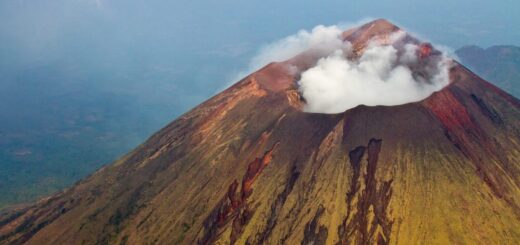
Costa Rica has five active volcanoes: Arenal, Poas, Irazu, Turrialba, and Rincon de la Vieja. Poas and Turrialba have had significant eruptions in recent years, causing temporary closures. Always check the National System of Conservation Areas (SINAC) and the Costa Rican Volcanological and Seismological Observatory (OVSICORI) for current status before hiking near volcanoes.
7.3 Rip Currents
Costa Rica’s Pacific beaches are notorious for deadly rip currents. Drowning is one of the leading causes of tourist death in Costa Rica. Many popular beaches are unguarded. Before swimming: check for red flags, ask locals about current conditions, and learn how to escape a rip current (swim parallel to shore, not against the current). Never swim alone or under the influence of alcohol.
| ⚠ Rip Current Danger — Lives Lost Every Year Dozens of tourists drown in Costa Rica annually from rip currents. Always swim at beaches with lifeguards when possible. Playa Hermosa (Jaco), Playa Dominical, and beaches near Puerto Viejo are particularly known for strong currents. |
7.4 Rainy Season Hazards (May–November)
During the rainy season, flooding and landslides are common. Roads can become impassable within hours. River levels rise rapidly during heavy rain — do not attempt to cross flooded roads or rivers. River tubing, rafting, and waterfall tours become more dangerous during this period. Always check with tour operators and locals about current conditions.
8. Common Scams Targeting Tourists in Costa Rica
Costa Rica has a reputation as a relatively honest society, but tourist scams do occur. The most common scams exploit visitors’ unfamiliarity with local currency, geography, and culture. Below is a comprehensive list of scams reported by tourists, along with detailed advice on how to recognize and avoid them.
8.1 Transportation Scams
| Scam Name | How It Works | How to Avoid It |
| Pirate Taxis (Piratas) | Unofficial taxis (often indistinguishable from real ones) overcharge massively or rob passengers. Drivers may work with accomplices. | Only take official red taxis with yellow triangles and meters, or use Uber. Never accept rides from strangers offering transport outside airports or bus stations. |
| Fake Meter Taxi | Driver claims meter is broken and charges a flat (inflated) rate. | Insist on the meter (maria). If driver refuses, exit and take another taxi. |
| Airport Taxi Overcharge | At Juan Santamaria Airport, touts approach offering taxi rides at inflated prices. | Use only the official orange TAXI AEROPUERTO booth inside the terminal or Uber. |
| Rental Car Damage Scam | Rental company claims pre-existing damage was caused by you; charges are added. | Photograph every inch of the vehicle before driving off the lot. Document all existing damage in writing with the agent. |
| Flat Tire Setup | Someone punctures your rental car tire, then ‘helpfully’ appears to assist and robs you while you are distracted. | If you get a flat in a suspicious location, do not stop immediately. Drive slowly to a gas station or populated area. Call your rental company. |
8.2 Money & Currency Scams
| Scam Name | How It Works | How to Avoid It |
| Counterfeit Currency | Fake colones (especially 5,000 and 10,000 notes) are passed to tourists at markets or in change. | Use ATMs at banks during daylight. Check bills for watermarks. Carry a UV pen if changing money frequently. |
| Wrong Change | Cashiers or taxi drivers ‘accidentally’ shortchange tourists unfamiliar with local bills. | Learn what Costa Rican colones look like. Count your change before leaving. The exchange rate (approx. 520 colones per USD) changes — check it daily. |
| Unofficial Money Changers | Street money changers offer attractive rates but give counterfeit bills or shortchange you. | Only exchange money at banks, official exchange houses (casas de cambio), or your hotel. Never exchange on the street. |
| ATM Skimming | Card skimming devices are installed on ATMs, especially in tourist zones. | Use ATMs inside bank branches during business hours. Shield your PIN. Check for loose card reader parts before inserting your card. |
| Overpayment Confusion | Vendor quotes price in USD but accepts colones at a poor rate, or vice versa. | Confirm currency before any transaction. Costa Rica accepts USD widely but the rate used varies. |
8.3 Street & Market Scams
| Scam Name | How It Works | How to Avoid It |
| The Mustard / Ketchup Trick | A stranger ‘accidentally’ squirts a substance on you, then an accomplice helps clean it while a third picks your pocket. | Politely decline help from strangers who suddenly appear to assist you. Move away and clean up yourself. |
| Friendship Bracelet Scam | A vendor ties a bracelet on your wrist and then demands payment, refusing to remove it. | Do not allow strangers to put anything on your wrist or body. Walk away firmly. |
| Distraction Techniques | Someone asks for directions, drops something, or creates a scene. An accomplice robs you while you are distracted. | Keep your bag in front of you at all times in crowded areas. Be suspicious of overly friendly strangers. |
| Fake Petitions / Clipboards | A person with a clipboard asks for your signature for a petition. While you are signing, an accomplice picks your pocket. | Decline to sign anything on the street. |
| Short Tour / Guide Scam | A person offers to show you something interesting nearby. After a short walk, they demand payment or block your exit. | Only hire guides through licensed tour operators or your hotel. |
8.4 Accommodation & Tour Scams
| Scam Name | How It Works | How to Avoid It |
| Fake Hotel Booking | Fraudulent listings on unofficial platforms charge for non-existent rooms. | Book only through reputable platforms (Booking.com, Airbnb, direct hotel websites). Confirm reservations by phone before arrival. |
| Inflated Tour Prices | Street touts selling tours charge 3–4x the going rate for the same product sold at legitimate tour operators. | Compare prices at multiple shops. Ask your hotel’s front desk for recommended tour operators. The Arenal, Manuel Antonio, and Monteverde corridors are particularly affected. |
| Tour Cancellation / No Refund | A ‘tour operator’ takes payment, then claims the tour is cancelled without refunding. | Only book with established companies. Pay by credit card where possible for chargeback protection. |
| Timeshare Pitch (Free Breakfast / Gift Offer) | You are approached with an offer of a free activity or meal in exchange for attending a ‘short’ presentation. The presentation is a high-pressure timeshare sales pitch lasting hours. | Politely decline all offers of free gifts requiring a presentation. If you accidentally enter one, you are free to leave at any time. |
8.5 Digital & Technology Scams
| Scam Name | How It Works | How to Avoid It |
| Fake Wi-Fi Hotspots | Criminals create hotspots with names like ‘Hotel_Free_Wifi’ to intercept data. | Always verify the official Wi-Fi network name with hotel/cafe staff. Use a VPN. |
| SIM Card Fraud | Unofficial sellers provide cloned SIMs that allow access to your calls and data. | Buy SIM cards only from official carrier stores (Kolbi, Movistar, Claro). |
| Online Rental Scam | Vacation rental properties are listed on Craigslist or social media at low prices. Payment is sent but the property does not exist or is unavailable. | Use only verified booking platforms. Never wire money for accommodations. |
| WhatsApp Impersonation | A scammer contacts you pretending to be a tour company or hotel, asking for confirmation payments. | Verify contact details with the company’s official website before making any payment. |
8.6 Romantic & Social Scams
| Scam Name | How It Works | How to Avoid It |
| Bar Tab Scam | A friendly local invites you to a bar. After drinks, an inflated bill is presented and paid by your new ‘friend’ who then demands you repay them in cash. | Do not let others pay for your drinks unless you know and trust them. Always know where you are and how to leave. |
| Honey Trap | An attractive person befriends a solo traveler and leads them to a private location where they are robbed. | Be cautious of overly forward romantic interest from strangers in nightlife areas. Never go to an unknown location with someone you just met. |
| Charity / Orphanage Scam | Individuals solicit donations for fake charities or children’s organizations. | Do not give cash donations on the street. Research charities through Charity Navigator or similar bodies. |
9. Legal Considerations for Tourists
- ID Requirements: Carry a photocopy of your passport at all times (leave the original locked in your accommodation). Police may ask for ID.
- Drug Laws: Possession of even small amounts of marijuana or cocaine can result in arrest. Despite some confusion about local laws, drug tourism is not legal. Penalties for drug trafficking are severe (8–20 years).
- Photography Laws: It is illegal to photograph military installations, certain government buildings, and private individuals without consent.
- Sex Tourism Laws: The age of consent in Costa Rica is 15 — however, sex tourism involving minors is actively prosecuted and carries severe penalties including extradition for foreign nationals.
- Wildlife Laws: Costa Rica has strong animal protection laws. Do not buy products made from sea turtles, coral, or endangered animals.
- Alcohol Laws: The legal drinking age is 18. Public drunkenness is technically illegal.
10. Cultural Tips for Staying Safe
Understanding Costa Rican culture will help you navigate social situations safely and respectfully:
- Avoid Confrontation: Ticos (Costa Ricans) are generally reserved and polite. Avoid confrontational behavior. In a dispute, remain calm — raising your voice or being aggressive escalates situations quickly.
- Pura Vida Mindset: Pura Vida (‘pure life’) is the national philosophy — embrace a relaxed pace. Rushing or expressing impatience can mark you as a stressed, distracted target for opportunistic theft.
- Dress Appropriately: Dress modestly outside of beach areas. Walking in swimwear in town centers or restaurants can attract unwanted attention.
- Low Profile: Do not flash expensive jewelry, cameras, or devices in public. Ticos themselves rarely display wealth conspicuously.
- Basic Spanish: Learn a few Spanish phrases — ‘Llame a la policia’ (call the police), ‘Me robaron’ (I was robbed), ‘Necesito ayuda’ (I need help).
- Confirm Prices: Always negotiate taxi or tuk-tuk prices before entering, and confirm tour inclusions in writing.
11. Emergency Contacts & Resources
| Service | Number / Details |
| Emergency (Police, Fire, Ambulance) | 911 |
| Costa Rican Tourism Board (ICT) Tourist Assistance | 1192 |
| Traffic Police (COSEVI) | +506 2222-9330 |
| Hospital CIMA (San Jose — private, English-speaking) | +506 2208-1000 |
| Clinica Biblica (San Jose — private) | +506 2522-1000 |
| Hospital Max Peralta (Cartago — public) | +506 2550-1999 |
| Red Cross (Cruz Roja) | 128 |
| US Embassy in San Jose | +506 2519-2000 |
| UK Embassy in San Jose | +506 2258-2025 |
| Canadian Embassy in San Jose | +506 2242-4400 |
| Australian Consulate (honorary) | +506 2278-4848 |
| Rental Car Emergency (Avis) | +506 2293-2222 |
| Lost/Stolen Credit Cards (Global) | Contact your bank’s international collect number |
| OIJ (Judicial Investigation Police — for crime reports) | +506 2295-3643 |
12. Quick Reference Safety Checklist
Before You Depart
- Purchase comprehensive travel insurance including medical evacuation
- Check your government’s Costa Rica travel advisory
- Register your trip with your embassy
- Make color copies of your passport, insurance card, and credit cards
- Notify your bank of travel dates and destination
- Download Google Maps offline for Costa Rica
- Download the Uber app and set up your account
- Research your accommodation’s neighborhood
- Pack a first aid kit including DEET insect repellent and sunscreen SPF 50+
- Consult a travel medicine specialist about vaccinations
During Your Trip
- Never leave valuables in your rental car
- Use official red taxis with meters or Uber
- Keep your bag in front of you in crowded areas
- Leave your passport in the hotel safe — carry a photocopy
- Avoid walking alone after dark in unfamiliar areas
- Do not swim at unguarded beaches alone
- Always check flag conditions before entering the ocean
- Use ATMs inside bank branches during business hours
- Book tours only through licensed operators
- Keep emergency numbers saved in your phone
| ✔ Final Reminder — Pura Vida Costa Rica is a genuinely wonderful destination. The vast majority of visitors have safe, unforgettable trips. Stay informed, stay aware, and embrace the Pura Vida spirit — life is indeed good when you travel prepared. |